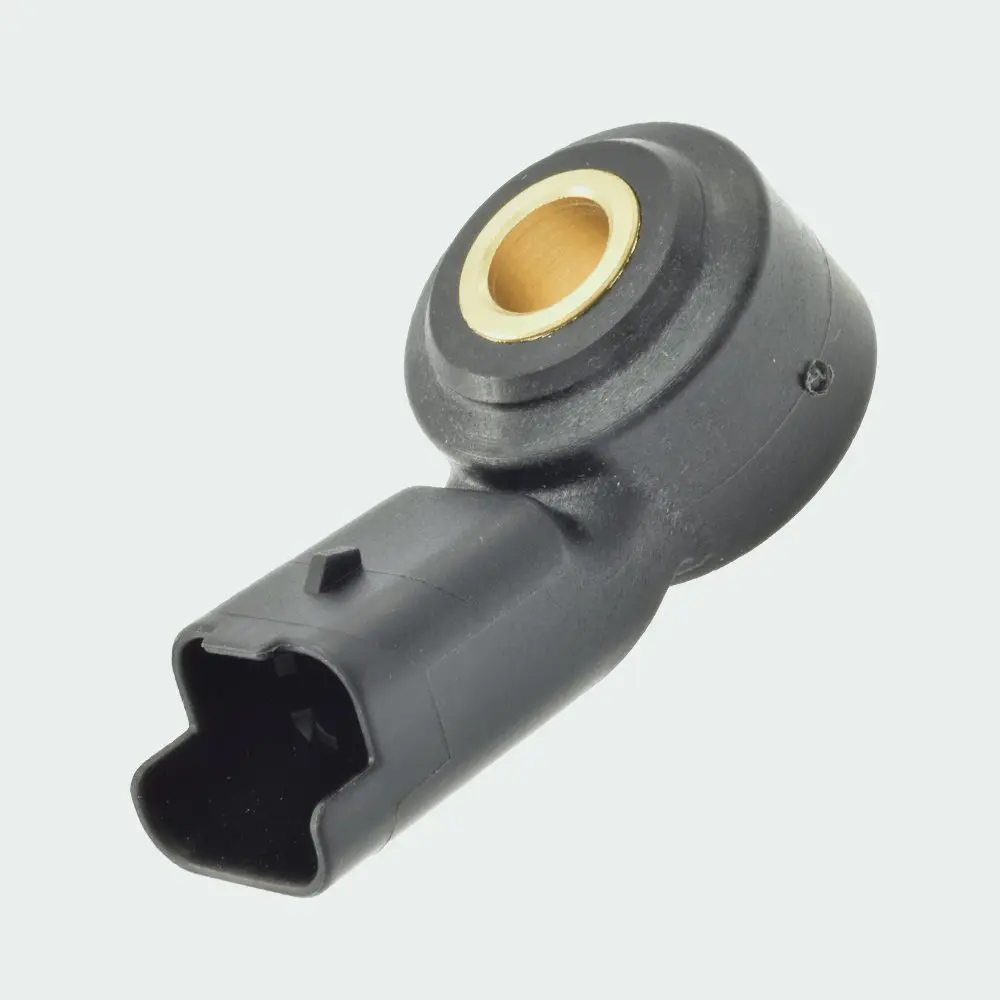
Exhaust Gas Pressure Sensors

The VXPRO range of Exhaust Gas Pressure Sensors is designed to support accurate diesel particulate filter (DPF) monitoring and emissions control. Each sensor is engineered to OE-matching standards, ensuring precise pressure measurement and long-term reliability across a wide variety of diesel applications.
Backed by a 5-year warranty and supported by TechASSIST and StockASSIST, VXPRO EGP Sensors help independent workshops deliver first-time-fit confidence, reduce emissions-related comebacks, and Champion the Aftermarket.

EGP sensors are critical service items on modern diesel vehicles and common causes of DPF-related comebacks. With StockASSIST, we help stockists identify the highest-demand references using UK-specific car parc and usage trends.
Here are 10 of the most requested EGP sensor references in our UK range:


EE2837
VXPRO Exhaust Gas Pressure Sensor
EE2837
Replaces:
1681883, 1684593, 1698614, 1775946, 1786775, AG915H209BA, AG915H209BAA, AV615H209EA, AV615L200AA, AV615L200AB, C2D21764, C2Z13154, CX235L200AA, CZQ7A11B03A, LR023131, LR028861, LR030030, LR052422, LR070166, LR071398, LR072661, 31319635, 31338869
Applications:
Ford C-MAX, Focus, Galaxy, Kuga, Mondeo, S-MAX
Land Rover Defender, Discovery, Freelander, Range Rover
Volvo C30, S40, S60, S80, V40, V50, V60, V70

EE2715
VXPRO Exhaust Gas Pressure Sensor
EE2715
Replaces:
5146187AD, 5149278AB, 56044587AA, 56044587AB, 68078181AA, 5149235AB, 5149277AB, K05149235AB, K05149277AB, K05149278AB, K56044587AB, K68078181AA, 0051537728, 0061534928, 0061539528, 0071536128, 6429050100, A0051537728, A0061534928, A0061539528, A0071536128, A6429050100, 0041539528, 0051537428, A0041539528, A0051537428
Applications:
Chrysler 300, Voyager
Dodge Nitro
Jeep Cherokee, Commander, Compass, Patriot, Wrangler
Mercedes-Benz A Class, B Class, C Class, CLC Class, CLK Class, CLS Class, E Class, G Class, GL Class, M Class, R Class, S Class, SLC, SLK Class, Sprinter, Viano, Vito
Smart Forfour, Fortwo

EE2723
VXPRO Exhaust Gas Pressure Sensor
EE2723
Replaces:
51792301, 55204352, 55566186, 0862040, 862040
Applications:
Alfa Romeo 147, 159, MiTo
Chevrolet Aveo
Fiat 500, Fiorino, Grande Punto, Panda, Punto, Qubo
Opel Astra, Combo, Corsa, GTC, Insignia, Meriva, Mokka, Zafira Tourer, Zafira
Vauxhall Astra, Combo, Corsa, GTC, Insignia, Meriva, Mokka, Zafira Tourer, Zafira
EE2931
VXPRO Exhaust Gas Pressure Sensor
EE2931
Replaces:
1876829, 1879205, 1882895, 1882896, BK2A9G824AA, FN155H295AA, FV415H295AB, FV415H295BB
Applications:
Ford C-MAX, EcoSport, Focus, Kuga, Tourneo Connect, Tourneo Courier, Tourneo Custom, Transit Connect, Transit Courier, Transit Custom, Transit

EE2901
VXPRO Exhaust Gas Pressure Sensor
EE2901
Replaces:
227701177R, 6269052200, A6269052200, 208156551R, 208158341R, 228156551R
Applications:
Dacia Duster, Logan, Sandero
Mercedes-Benz A Class, B Class, C Class, Citan, Vito
Nissan Qashqai, X-Trail
Renault Captur, Clio, Fluence, Kadjar, Kangoo, Koleos, Megane, Scenic, Trafic

EE2836
VXPRO Exhaust Gas Pressure Sensor
EE2836
Replaces:
1315622, 1315684, 1366758, 1381208, 13822684, 1415606, 1416652, 1436292, 1496208, 3M5A5H209BF, 3M5A5L200AA, 3M5A5L200AB, 3M5A5L209AH, 6S715H209AC, C2C39730, C2Z11185, C2Z4252, LR007083, LR008463, Y40120360, Y64218215B, Y65018215, Y65018215A, 30677944, 30684336, 30731397, 30750460, 30757183, 30757189, 31293629, 31319368, 8699530
Applications:
Ford C-MAX, Focus, Galaxy, Kuga, Mondeo, S-MAX
Jaguar/Daimler S Type, XF, XJ Series
Land Rover Freelander
Mazda 3
Volvo C30, C70, S40, S60, S80, V50, V70, XC70, XC90

EE2890
VXPRO Exhaust Gas Pressure Sensor
EE2890
Replaces:
223651719R, 8200641554, 8200811025, 8200974421, 8201000764, 6000616754, 93198718, 95519177, 95508630, 2236500QAK, 2276000Q0A, 2276000Q0B, 2373100Q0J, 04400815, 04420906, 04423771, 04451570, 093198718, 095508630, 095519177, 4423771, 4451570, 4400815, 8200443534, 8200443536, H8200443536
Applications:
Dacia Duster
Fiat Talento
Infiniti QX
Nissan Juke, Navara, Note, NV200, NV300, NV400, Primastar, Qashqai, X-Trail
Opel Movano, Vivaro
Renault Captur, Clio, Espace, Fluence, Kadjar, Kangoo, Koleos, Laguna, Master, Megane, Scenic, Trafic
Vauxhall Movano, Vivaro

EE2714
VXPRO Exhaust Gas Pressure Sensor
EE2714
Replaces:
03G906051G, 059906051C, 076906051B, 7602
Applications:
Audi A1, A3, A4, A5, A6, Q3, Q5, TT
SEAT Alhambra, Altea, Exeo, Ibiza, Leon, Toledo
Škoda Fabia, Octavia, Rapid, Roomster, Superb, Yeti
Volkswagen Amarok, Beetle, Caddy, Caravelle, CC, Crafter, Eos, Golf, Jetta, Passat, Polo, Scirocco, Sharan, Tiguan, Touran, Transporter

EE2719
VXPRO Exhaust Gas Pressure Sensor
EE2719
Replaces:
55209194, 55219295, S8100181, 223650001R, 8200168253, 93857938
Applications:
Alfa Romeo Giulietta
Fiat 500, Panda, Punto Evo, Punto
Nissan Interstar, Micra, Primastar, Qashqai, Tiida
Renault Clio, Espace, Fluence, Kangoo, Laguna, Master, Megane, Modus, Scenic, Trafic, Vel Satis

EE2838
VXPRO Exhaust Gas Pressure Sensor
EE2838
Replaces:
1606610880, 6G9N5L200AB, 1545549, 1546997, 1573374, 1693102, 1722675, 1722679, 1600077, 1674896, 1725470,
8V215H209CD, AB395L224AA, AV215H209AB, Y64518215A, Y64518215B, Y66018215A, 3078546, 30785486, 30785486AA
Applications:
Citroën Relay
Ford Fiesta, Ranger, Tourneo Connect, Transit Connect, Transit
Mazda 2
Peugeot Boxer
Volvo C30, C70, S40, S60, S80, V50, V60, V70, XC60, XC70

EGP sensors are exposed to high heat, pressure, and particulates. Common causes of failure include:
Sensor contamination from exhaust soot or oil vapour
Clogged pressure hoses or ports, affecting pressure readings
Heat-related degradation of the sensor or wiring
Internal electrical faults or signal drift over time
Incorrect diagnosis — DPF issues are often blamed on the sensor when the real issue lies elsewhere
Illuminated warning lights, including engine management or DPF
DPF regeneration not occurring, or occurring too frequently
Poor acceleration or limp mode activation
Fault codes related to pressure range/performance (e.g. P2452, P2002)
Inaccurate DPF load readings on scan tools
Check and clean pressure lines before replacing the sensor — blockages are a leading cause of misdiagnosis
Replace any cracked or soft hoses to prevent leaks or false readings
Mount the sensor securely, avoiding vibration and heat exposure where possible
Clear all stored fault codes and verify proper live data readings after installation
Avoid contact with exhaust vapours during removal — allow the system to cool fully before service
 For Technical Support – Start a WhatsApp Chat with our TechASSIST Experts