Fuel Vaporisers

VXPRO Fuel Vaporisers are designed specifically for use in select Ford diesel applications where passive DPF regeneration is supported by fuel injection directly into the exhaust system. These components are precision-engineered to OE standards to ensure proper atomisation and delivery, which is essential for maintaining DPF performance and preventing regeneration faults.
With a growing number of modern diesel vehicles using this technology, VXPRO fuel vaporisers help independent workshops maintain profitability, avoid comebacks, and compete with dealer-level repairs.
Backed by a 5-year warranty and supported by TechASSIST and StockASSIST, VXPRO is here to help you Champion the Aftermarket — even with specialist components.

Because fuel vaporisers are unique to certain diesel platforms, it's important to carry the right references. StockASSIST uses car parc data to ensure you have the exact applications that are most likely to move — reducing dead stock and enabling same-day fixes.
Here are some of the top-selling VXPRO vaporiser references in the UK:


EX6003
VXPRO Fuel Vaporiser
EX6003
Replaces:
1713358, 1726254, 1747513, 1748900, 1755262, 1778131, 1839867, 1877192, CC119T540AG, CC119T540AJ
Applications:
Ford Transit 2.2
EX6010
VXPRO Fuel Vaporiser
EX6010
Replaces:
1877097, CV619T540AB
Applications:
Ford Kuga 2.0

EX6007
VXPRO Fuel Vaporiser
EX6007
Replaces:
2009096, AB399T540AF
Applications:
Ford Ranger 2.2, 3.2

EX6002
VXPRO Fuel Vaporiser
EX6002
Replaces:
1748653, 1860939, AV419T540BD
Applications:
Ford Kuga 2.0

EX6008
VXPRO Fuel Vaporiser
EX6008
Replaces:
5312744, 9T169T540AC
Applications:
Ford Transit Connect 1.8

EX6011
VXPRO Fuel Vaporiser
EX6011
Replaces:
1940313, BK319T540BG
Applications:
Ford Transit 2.2

EX6005
VXPRO Fuel Vaporiser
EX6005
Replaces:
1902014, FV419F540BB
Applications:
Ford Focus 2.0, Kuga 2.0, 1.5

EX6004
VXPRO Fuel Vaporiser
EX6004
Replaces:
1879927, CV6Q9T540AG
Applications:
Ford Focus 1.6

EX6012
VXPRO Fuel Vaporiser
EX6012
Replaces:
1890231, E1G19T540AD
Applications:
Ford Mondeo 2.0, S-MAX 2.0

EX6014
VXPRO Fuel Vaporiser
EX6014
Replaces:
2167210, BK319T540CA
Applications:
Ford Transit 2.0

Fuel vaporisers are exposed to extreme exhaust temperatures and carbon buildup, making them susceptible to:
When a fuel vaporiser fails, technicians may observe:
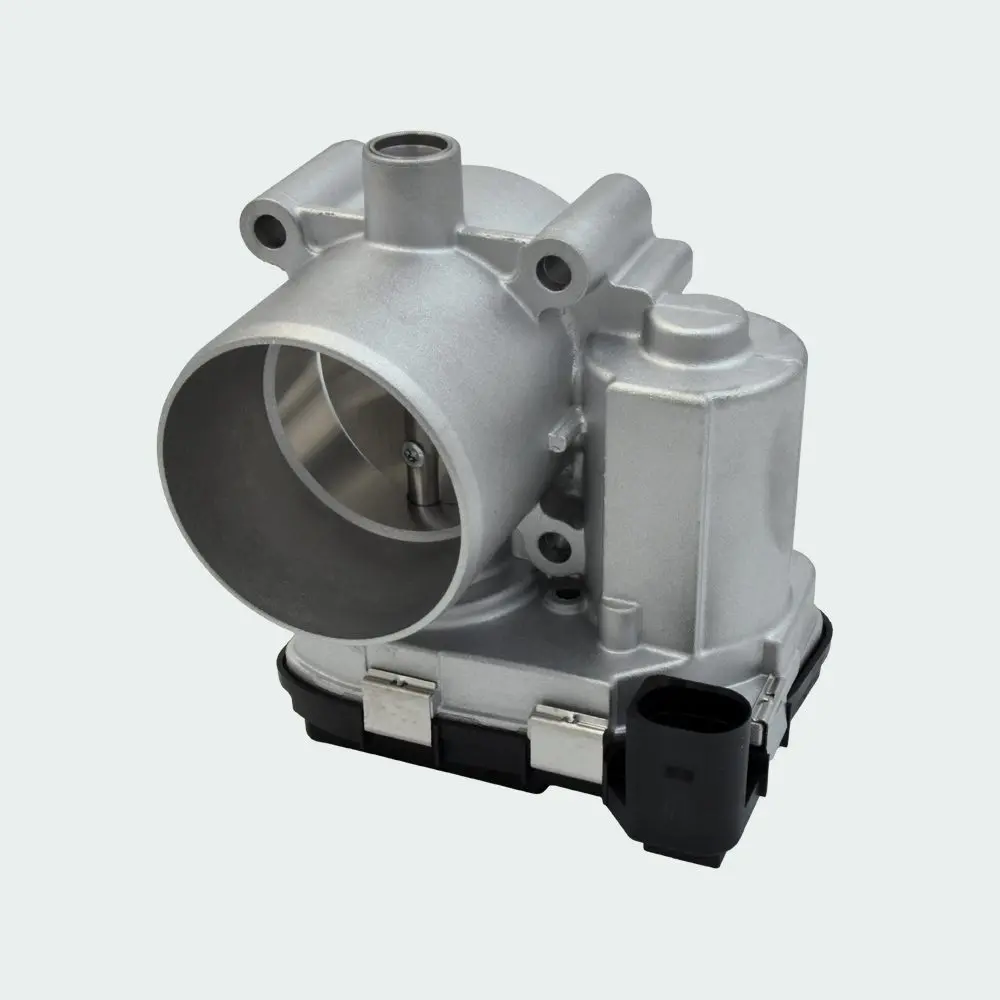
Throttle Bodies
Control airflow into the engine for precise power and efficiency with VXPRO
Exhaust Gas Pressure Sensors
Measure exhaust pressure to optimise turbo and emissions system performance with VXPRO

Exhaust Gas Temperature Sensors (EGTS)
Monitor exhaust heat to protect components and control emissions with VXPRO

 For Technical Support – Start a WhatsApp Chat with our TechASSIST Experts

