Knock Sensors

The VXPRO range of Knock Sensors is built to OE standards, providing fast and accurate detection of engine knock (pre-ignition) to support advanced ignition timing and combustion control. Designed for precision and durability, VXPRO knock sensors ensure engine performance, fuel efficiency, and emissions compliance across a wide range of petrol engines.
Backed by a 5-year warranty and supported by TechASSIST and StockASSIST, VXPRO Knock Sensors help technicians solve performance issues with confidence — and Champion the Aftermarket with every repair.
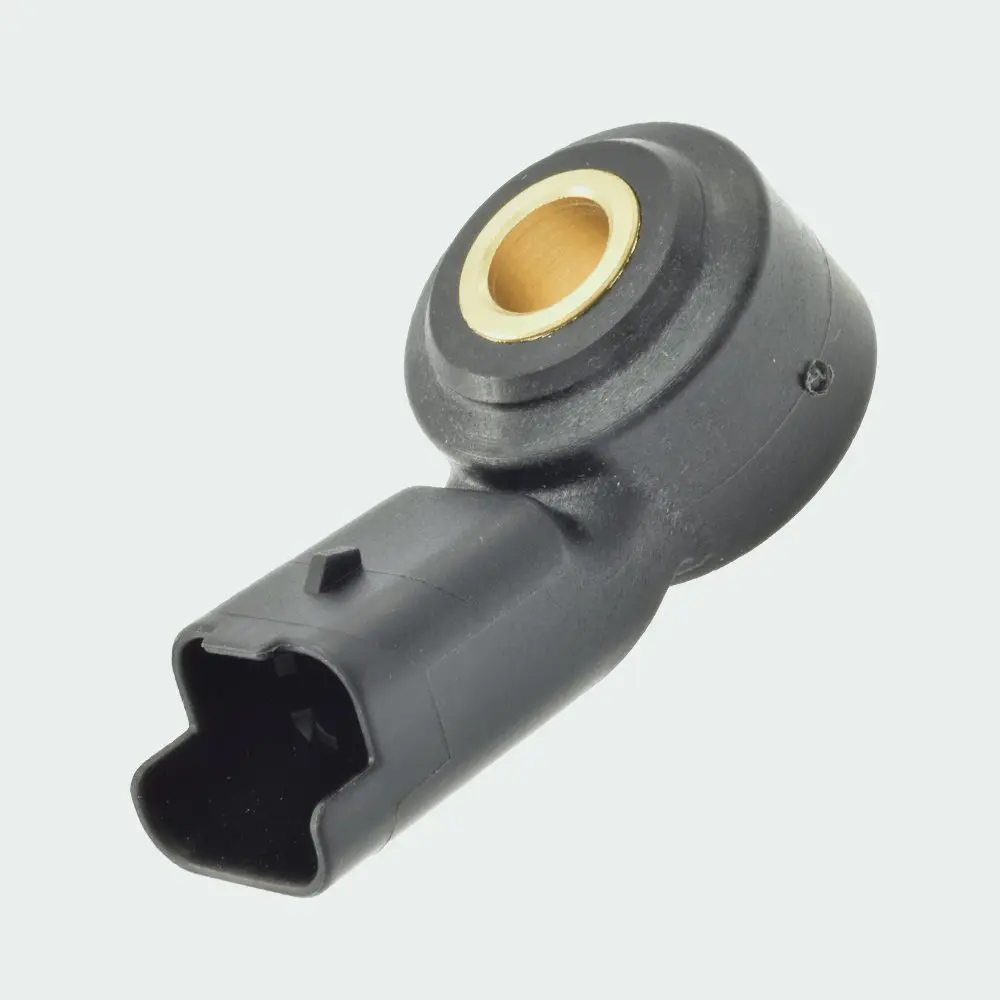
Knock sensors are fast-moving parts that can fail from both wear and environmental factors. StockASSIST helps identify the most common failures in your customer base by analysing UK vehicle parc and part demand data.
Here are 10 of the most requested knock sensor references in our UK range:


EE2310
VXPRO Knock Sensor
EE2310
Replaces:
ZJ0118921, E1T50371
Applications:
Mazda 2, 3, 5, 6, Atenza

EE2463
VXPRO Knock Sensor
EE2463
Replaces:
30530PNA003, 30530PPLA01
Applications:
Honda Accord, Civic, CR-V, FR-V, Stream
EE2317
VXPRO Knock Sensor
EE2317
Replaces:
594631, 9632754980, 13627535067
Applications:
Citroen Berlingo, C3, C4, C5, C8, DS3, DS4, Xsara
Fiat Ulysse
Mini MINI
Peugeot 206, 207, 307, 308, 406, 407, 508, 607, 807, 3008, 5008, Partner

EE2301
VXPRO Knock Sensor
EE2301
Replaces:
030905377C
Applications:
Audi A2, A3, A4, TT
Seat Ibiza, Leon, Mii
Skoda Citigo, Octavia
Volkswagen Beetle, Fox, Golf, Passat, Polo, Up

EE2308
VXPRO Knock Sensor
EE2308
Replaces:
13627552114, 1920FR, 1920LT
Applications:
BMW 1 Series, 3 Series
Citroën Berlingo, C2, C3, C4, DS3, DS4, DS5, Nemo, Saxo, Xsara
Mini MINI
Peugeot 206, 207, 307, 308, 3008, 5008, Bipper, Partner, RCZ

EE2300
VXPRO Knock Sensor
EE2300
Replaces:
8200639103, 8200680689, 22060000QA, 2206000Q0A, 2206000QAA, 22060BN700, 7700866055, 4408303, 4433885, 6001543613, 7700735564, 1864084A00000, 1864084A01000, 1864084A02000, 91159930, 93198199
Applications:
Nissan Juke, Kubistar, Micra, NV200, Primastar, Qashqai, Tiida
Opel Vivaro
Renault Clio, Espace, Fluence, Kangoo
Vauxhall Vivaro

EE2330
VXPRO Knock Sensor
EE2330
Replaces:
12141487246
Applications:
Hyundai Getz
Kia Picanto
Mini MINI

EE2341
VXPRO Knock Sensor
EE2341
Replaces:
594635, 25201064, 55563372, 1236006, 896150H010
Applications:
Chevrolet Aveo, Cruze, Orlando, Trax
Citroën C1
Daihatsu Copen
Opel Adam, Ampera, Astra, Cascada, Corsa, GTC, Insignia, Meriva, Mokka X, Mokka, Zafira Tourer
Peugeot 107, 108
Subaru Justy
Toyota Aygo, iQ, Prius+, Yaris
Vauxhall Adam, Agila, Ampera, Astra, Cascada, Combo, Corsa, GTC, Insignia, Meriva, Mokka X, Mokka, Zafira Tourer

EE2304
VXPRO Knock Sensor
EE2304
Replaces:
1132002, 1N1A12A699AA, JD61212, LR008877
Applications:
Ford B-MAX, C-MAX, EcoSport, Fiesta, Focus, Mondeo, Tourneo Connect, Transit Connect, Transit
Jaguar/Daimler X Type, XF, XJ Series, XK Series
Land Rover Range Rover

EE2316
VXPRO Knock Sensor
EE2316
Replaces:
46538111, 46815152, 55190562, 1535715, 1563287, 1592423, 9S5112A699AB
Applications:
Fiat 500, Punto Evo

Knock sensors are highly sensitive and operate under harsh conditions. Common causes of failure include:
Internal piezoelectric element degradation from heat or vibration
Cracked housing or casing due to overtightening
Corroded or damaged wiring or connectors
Oil contamination near the sensor or connector
Incorrect installation torque, affecting sensitivity and accuracy
Poor engine performance and sluggish acceleration
Increased fuel consumption due to ignition timing being held back
Illuminated Check Engine Light (MIL) with fault codes (e.g. P0325, P0330)
Engine knock (pinging) under load or acceleration
Harsh running or misfire symptoms, especially at high RPM
Limp mode activation in some ECU strategies
Torque the sensor correctly — overtightening can crush the internal element.
Mount directly to clean metal surfaces with no rust or oil contamination.
Check the connector and wiring for heat damage, especially near turbochargers or exhaust manifolds.
Avoid aftermarket spacers or gaskets that could isolate the sensor from vibration signals.
Clear fault codes and verify signal using live data or oscilloscope readings where possible.
Air Temperature Sensors
Monitor intake air temperature for accurate fuel and ignition control with VXPRO

Mass Airflow Sensors (MAFS)
Measure incoming air volume for precise fuel delivery and optimal combustion with VXPRO

Camshaft Position Sensors
Provide precise camshaft data for accurate timing and smooth engine performance with VXPRO

 For Technical Support – Start a WhatsApp Chat with our TechASSIST Experts

