Category
TechASSIST BulletinsDate
March 24, 2026

In this ELTA TechASSIST bulletin, we investigate reducing misdiagnosis of Wheel Speed Sensors: their common causes of failure, symptoms, and essential fitting tips to ensure a long-lasting replacement.
Before we begin, if you follow Ed from Uckfield Motor Services, don’t miss his latest video explaining all things Wheel Speed Sensors!
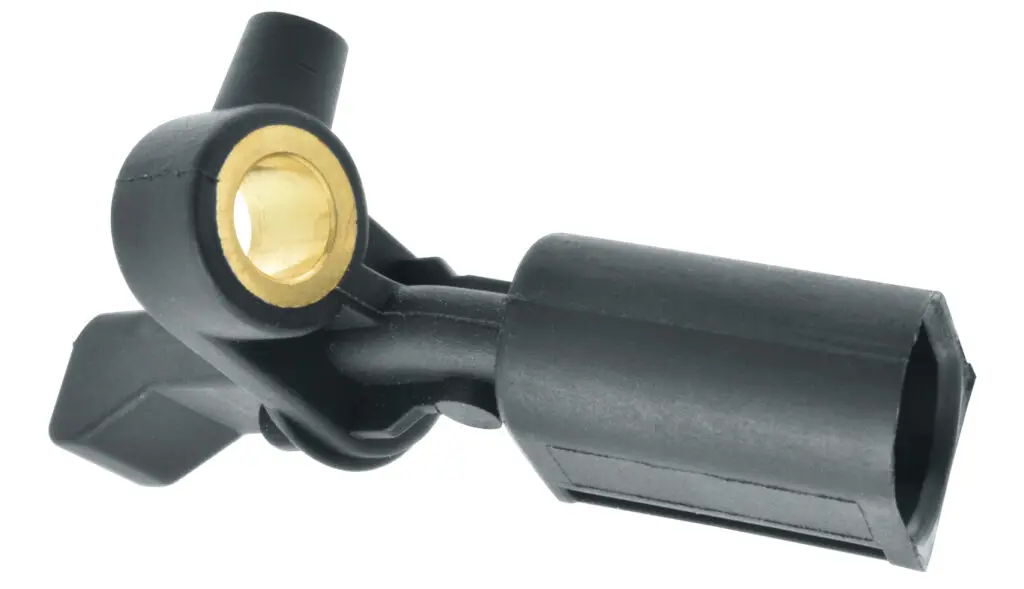
Understanding the Role of Wheel Speed Sensors
Wheel Speed Sensors constantly monitor how fast each wheel is rotating and send this information to the vehicle’s electronic control unit (ECU).
If the ECU detects that a wheel is slowing down faster than the others, indicating potential lock-up, it instantly adjusts braking pressure to maintain traction.
Today, the data from Wheel Speed Sensors is used by several vehicle safety systems, including:
- Anti-lock Braking System (ABS)
- Stability control (ESC)
- Traction control (TCS)
- Hill descent control
- Collision avoidance systems
Because of this, accurate and reliable sensor feedback is essential for multiple modern vehicle safety systems.
How They Work
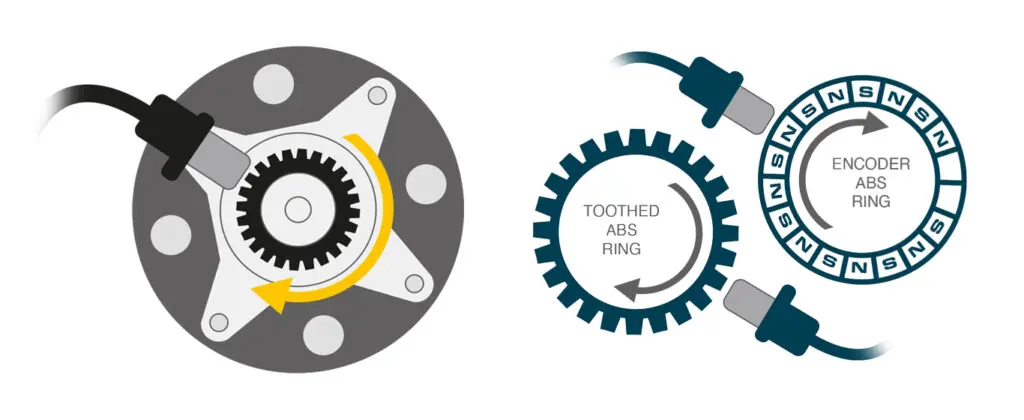
Wheel Speed Sensors operate alongside an ABS ring (also called a tone wheel or pulse wheel). This ring rotates at the same speed as the wheel and is typically mounted on components such as wheel hubs, brake discs, CV joints, and driveshafts.
The sensor is mounted close to this rotating ring. As the ring spins, the sensor detects changes in the magnetic field created by the passing teeth or magnetic poles.
The way this rotation is measured depends on the type of sensor used. The two most common types are passive sensors and active sensors:
PASSIVE SENSORS
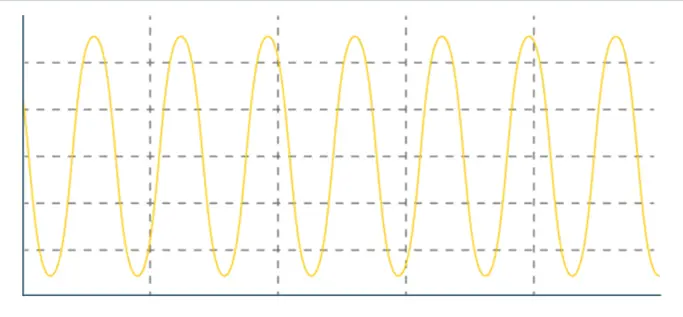
Passive sensors are the earliest and simplest type of wheel speed sensor and do not require an external power supply.They consist of a coil winding surrounding a pole pin connected to a permanent magnet. As the teeth of the ABS ring pass the sensor, they disturb the magnetic field.
This change in the magnetic field generates an alternating current (AC) voltage signal in the coil. The signal is sent to the ABS control unit, which converts it into digital data and calculates wheel speed.
ACTIVE SENSORS
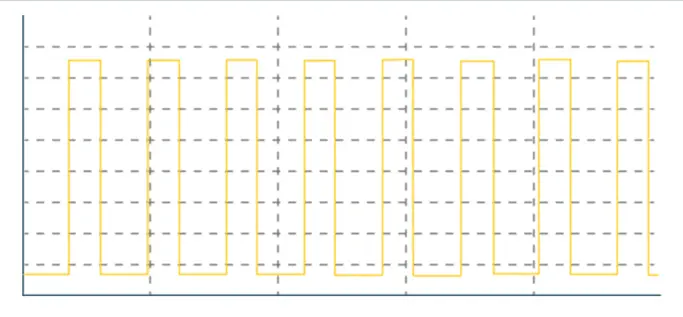
These require a power supply and use electronic circuitry to produce a more precise signal. They overcome many of the limitations of passive sensors by providing greater accuracy, especially at low speeds. Some designs can also determine the direction of wheel rotation.
Many active sensors use the Hall effect, a phenomenon discovered by physicist Edwin Hall in 1879. In this system, changes in the magnetic field generate a voltage within a semiconductor sensor chip. This produces a digital signal that is sent directly to the vehicle’s control system.
Active sensors can work with traditional toothed rings, but they are often paired with magnetic or encoder rings. These rings are flatter and can be integrated directly into the wheel bearing, allowing for a more compact and protected design.
Note: When testing, it is important to determine if the sensor type is passive or active. A resistance test can be used on passive sensors but could damage active sensors.
Common Causes of Wheel Speed Sensor Failure
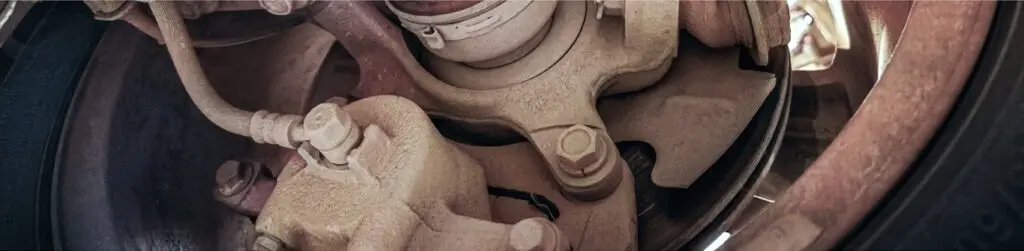
Although Wheel Speed Sensors are generally robust, their position near the wheel exposes them to harsh conditions that can lead to failure.
Common issues include physical damage from road debris, sensor misalignment, damaged wiring, and internal electrical faults. Heavy contamination from dirt or brake dust can also interfere with the sensor signal.
In some cases, the fault may lie with the ABS ring rather than the sensor itself. Rings can become corroded, cracked, swollen, or damaged, and missing or blocked teeth can disrupt the signal sent to the ECU.
These issues can often be identified using an oscilloscope, which allows technicians to analyse the signal pattern during wheel rotation.
What Are the Symptoms?
When these sensors fail or begin to malfunction, several warning signs may appear:
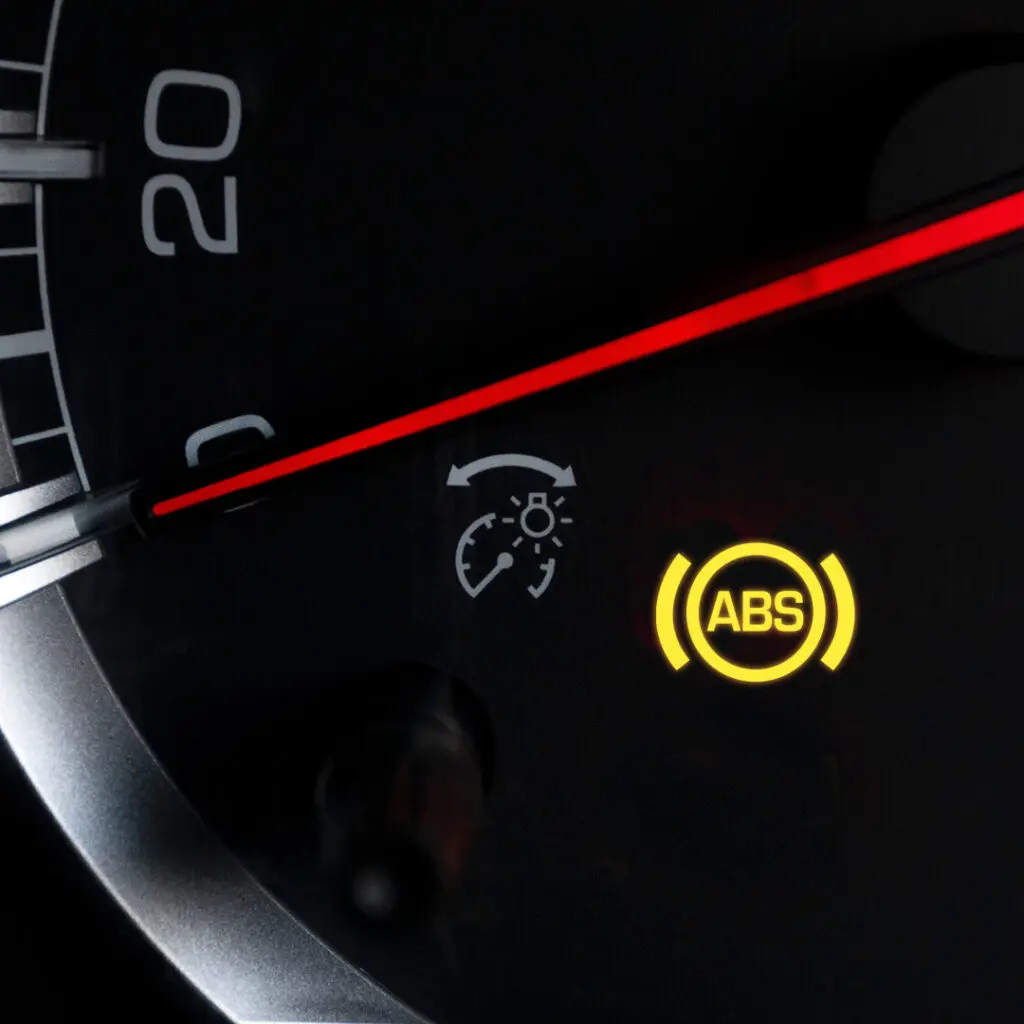
- ABS warning light illuminated
- Stability control or handbrake warning lights illuminated
- Fault codes stored in the ECU
- Brake judder at low speeds
- Wheels locking during breaking
Because Wheel Speed Sensors also support other safety systems, a failure can affect multiple vehicle functions.
General Fitting Advice
Before testing or replacing a Wheel Speed Sensor, it is important to identify whether the sensor is passive or active.
A resistance test can be used on passive sensors, but it should never be performed on active sensors, as this may damage the internal electronics.
When replacing a sensor:
- Thoroughly clean the mounting area before installation.
- Ensure the sensor is fully seated in its correct position.
- Maintain the correct gap between the sensor and ABS ring.
- Secure wiring correctly and route it away from moving components.
- Tighten all fixings to the specified torque.
AFTER FITTING
RESET ECU PARAMETERS
After replacing engine management components, many vehicles will require a reset of the parameters to tell the ECU that a new part has been fitted. Without this, the ECU will believe that the engine is still running with faulty sensors and will default back to data already received before the replacement. This causes the vehicle to run poorly, normally with the malfunction indicator lamp on and the fault code still logged in memory.
Reset the ECU as per the manufacturers instructions and then conduct an extended road test to enable the vehicle to identify the parameters of the new part.
IF FAULTS PERSIST A PARAMETER RESET MAY BE REQUIRED.
By following these steps, technicians can ensure accurate diagnosis, effective repairs, and longer-lasting Wheel Speed Sensor replacements.
If you would like to print a version of this email, click below:
Free technical support for ELTA parts available to technicians by phone and WhatsApp. Use text, voice, images, videos and links for our fastest and most effective customer support ever.
By WhatsApp:
 For Technical Support – Start a WhatsApp Chat with our TechASSIST Experts
By Phone: +44 (0)1675 437429
Available Monday - Friday 08:00-16:00, excluding Bank Holidays. You may be asked the name of the distributor from where your part was purchased.
For media inquiries, please contact:
Tim Brotherton
Marketing & Communications Manager at ELTA Automotive Ltd