Category
TechASSIST BulletinsDate
April 8, 2025

Are you experiencing a higher-than-average return rate on EGR valves? Do customers report symptoms reoccurring soon after replacement?
In this ELTA TechASSIST bulletin, we dive into the crucial role of the EGR valve, common failure causes, warning signs, and essential steps to ensure a long-lasting replacement.
Before we begin, if you follow Ed from Uckfield Motor Services, don’t miss his latest video packed with top tips on best practices for EGR valve fitment!
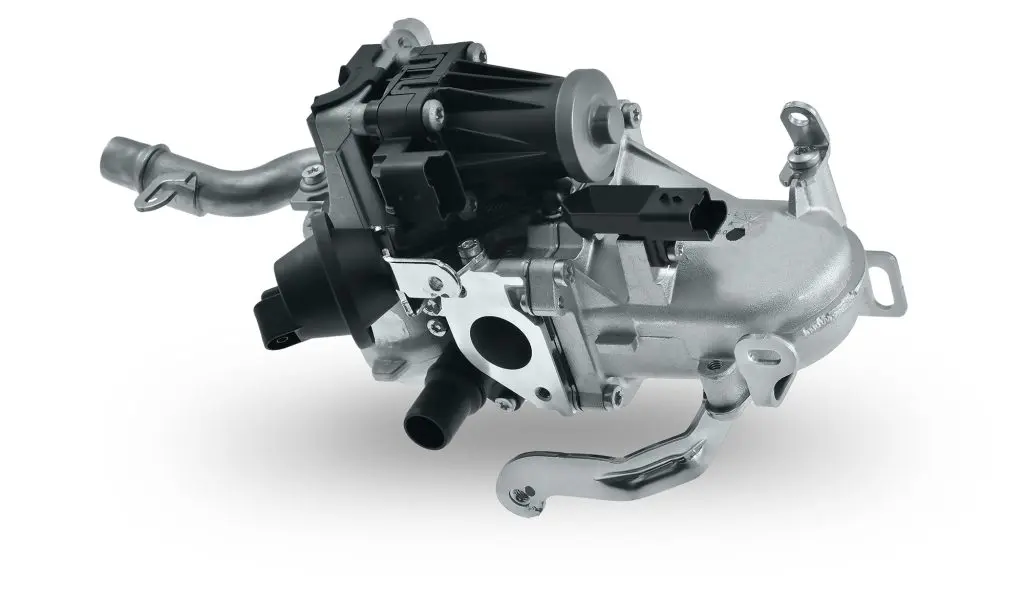
What is the EGR valve for?
The Exhaust Gas Recirculation (EGR) valve is a key emissions control component, designed to reduce harmful nitrogen oxide (NOx) emissions by lowering combustion temperatures.
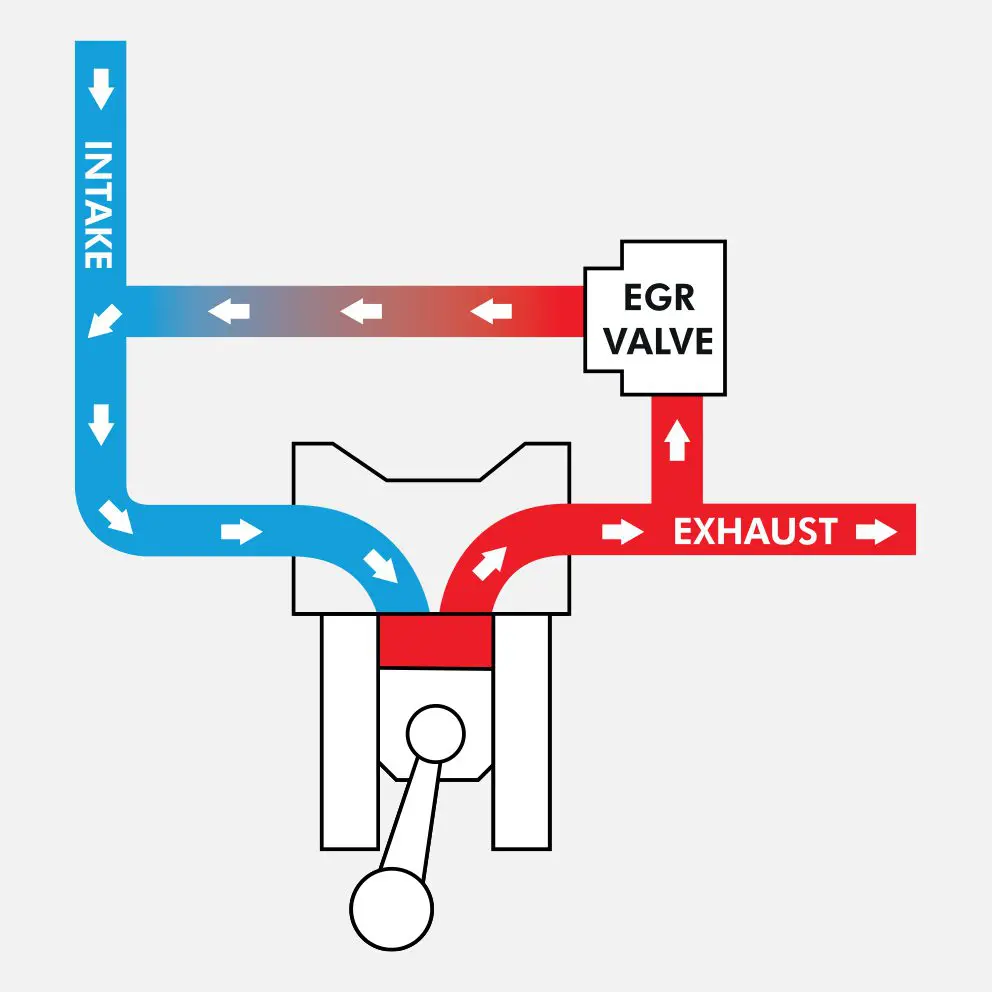
How does it work?
NOx emissions are produced when combustion temperatures exceed 2500°F, causing nitrogen and oxygen to react. The EGR valve recirculates a controlled amount of exhaust gas back into the combustion process, diluting the air-fuel mixture. This lowers combustion temperatures, helping to reduce NOx emissions.
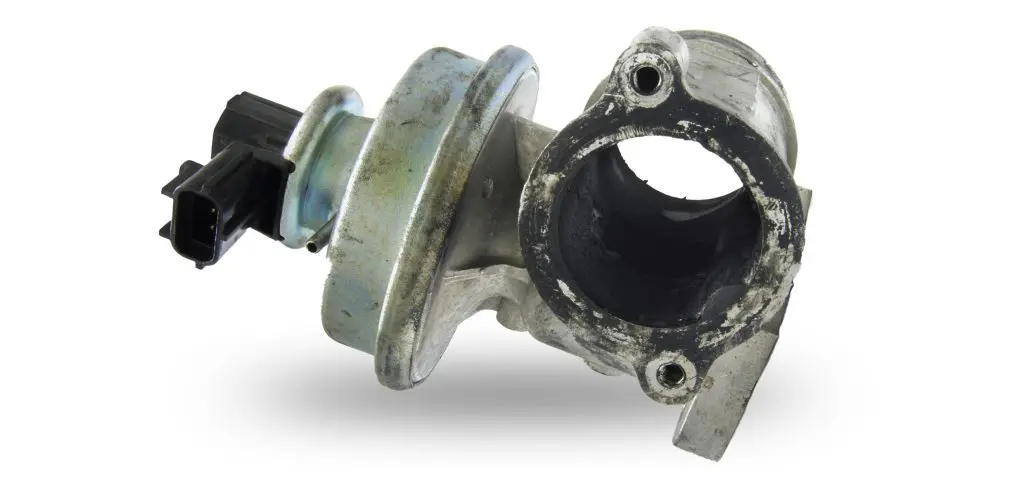
Why does it fail?
EGR valve failures are commonly caused by carbon deposits, which clog or restrict movement, leading to the valve sticking open or closed.
Symptoms of EGR valve failure
EGR Valve Stuck Open
Symptoms:
- Rough idle, especially when the engine is cold
- Stalling at idle
- Reduced fuel economy
- Increased fuel smell
- Excessive emissions, leading to MOT failure
Why?
A continuously open EGR valve sends exhaust gases back into the intake at all times, reducing combustion temperatures too much.
EGR Valve Stuck Closed
Symptoms:
- Engine knocking or detonation at low RPM
- Increased NOx emissions (MOT failure risk)
- Possible serious engine damage from uncontrolled pre-ignition
Why?
Without recirculated exhaust gases, combustion temperatures rise, increasing NOx emissions and the risk of engine damage.
Important: The Check Engine Light (MIL) may illuminate in both cases, but remember: an EGR fault code does not automatically mean a faulty EGR valve. Always inspect the full system!
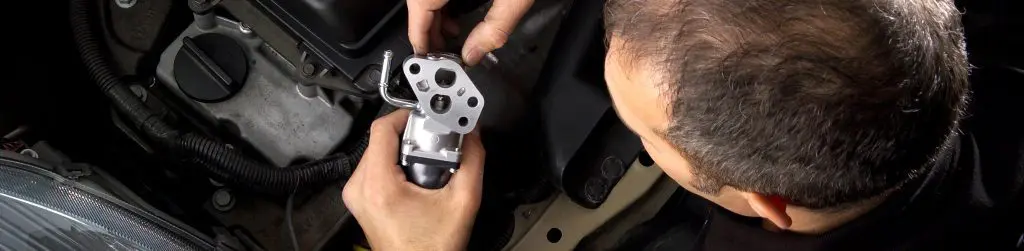
What else could it be?
A stored EGR fault code does not always mean a faulty EGR valve. Blocked pipes, cracked hoses, or faulty EGT sensors can trigger the same fault codes. A full system inspection is essential before replacing parts unnecessarily.
Check:
- EGR valve function (not just the fault code)
- EGR valve cooler (is there a separate cooler and is this blocked)
- Is there more than one EGR Valve? (some vehicles have a high and low pressure EGR Valve and this is not always obvious)
- EGR system ducting for blockages
- Hoses and pipes for leaks
- Exhaust Gas Temperature sensors (the EGR process requires accurate temperature information, without it the process itself fails)
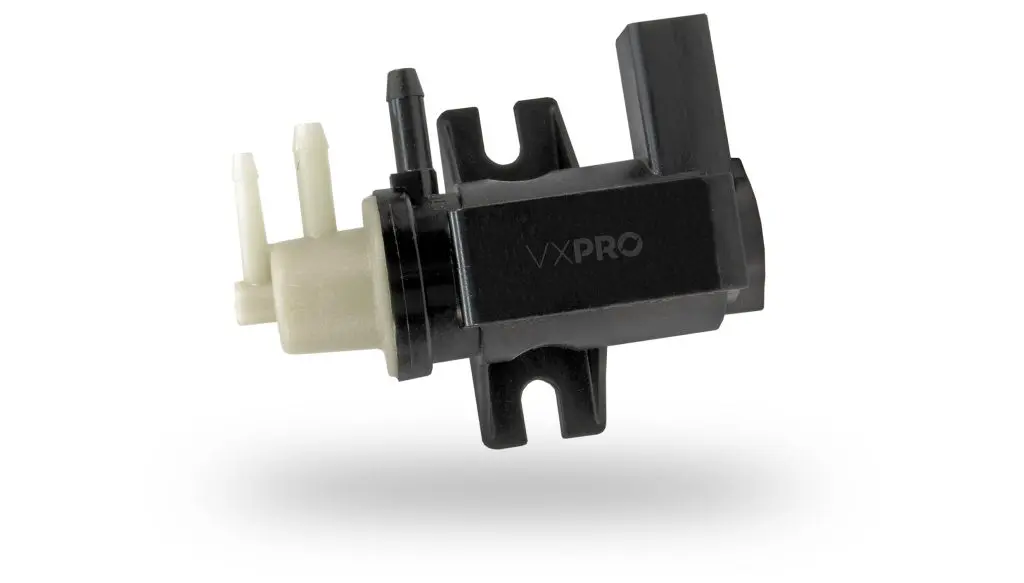
- EGR Pressure Converter (An EGR pressure converter regulates exhaust gas recirculation by converting sensor signals into pneumatic pressure to control the EGR valve. It enables the ECU to adjust the valve position, optimising emissions based on engine conditions. Failure of this much smaller, and often overlooked component, can often throw an EGR error code)
Replacing EGR valves - three key steps for longevity
1. Clean the System
Before fitting a new EGR valve, thoroughly clean the system. A new valve fitted onto a contaminated intake system will quickly become clogged, leading to premature failure. We also recommend that air filters are replaced at this point.
Recommended Cleaning Steps:
- Use an EGR/Turbo cleaning aerosol to remove carbon build-up from the combustion chamber and EGR ducting.
- If fitted, variable-geometry turbocharger components should also be cleaned, as turbo fouling can contribute to EGR contamination.
- For heavily contaminated systems, consider a TerraClean or similar professional cleaning service.
2. Replace the EGR Valve
Once the system is clean, the new valve can be installed.
3. Reset the ECU
After installation, reset the ECU to ensure the system correctly recognises the new component and operates as intended.
Some vehicles will require a drive cycle in order for the ECU to relearn the operating parameters, others will require a reset using either a generic scan tool or the manufacturer specific software – VAG (VW, Skoda, Audi, Seat) models for example will require VCDS or VAG-COM.
By following these steps, technicians can ensure accurate diagnosis, effective repairs, and longer-lasting EGR valve replacements.
Explore how EGR valves work alongside other components in our guide to engine management, cooling and fuel efficiency.
If you would like to print a version of this email, click below:
Free technical support for ELTA parts available to technicians by phone and WhatsApp. Use text, voice, images, videos and links for our fastest and most effective customer support ever.
By WhatsApp:
 For Technical Support – Start a WhatsApp Chat with our TechASSIST Experts
By Phone: +44 (0)1675 437429
Available Monday - Friday 08:00-16:00, excluding Bank Holidays. You may be asked the name of the distributor from where your part was purchased.
For media inquiries, please contact:
Tim Brotherton
Marketing & Communications Manager at ELTA Automotive Ltd