Boost Pressure Sensors

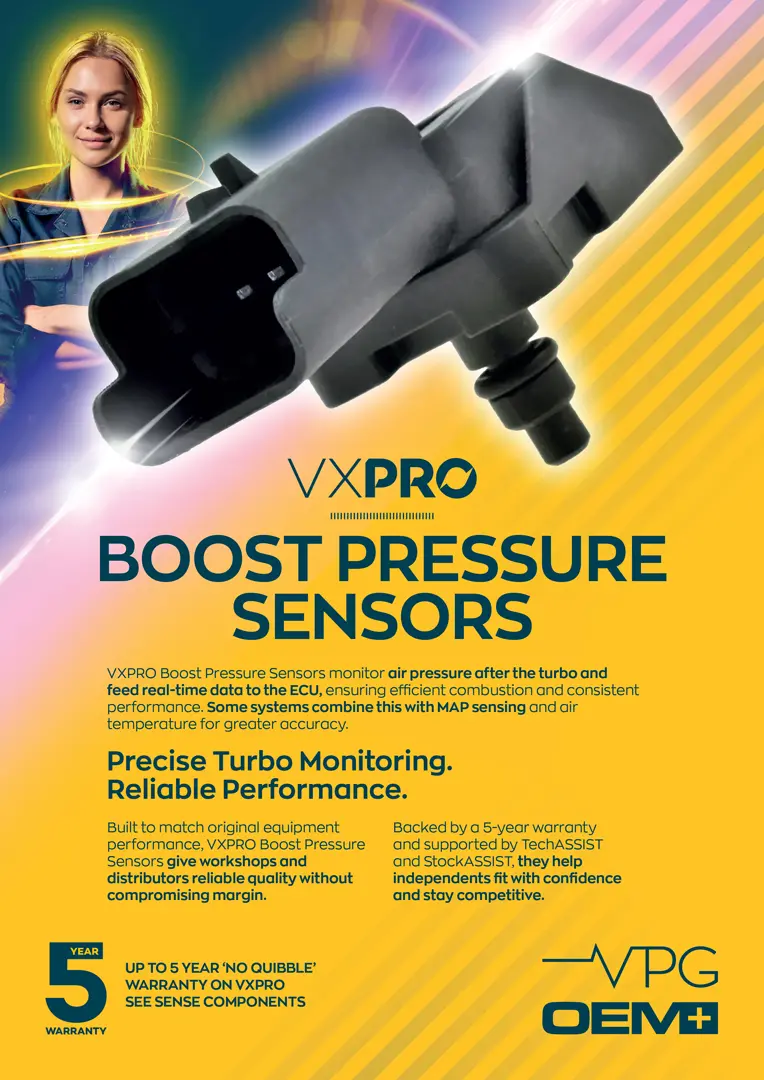
Boost pressure sensors play a vital role in modern turbocharged engines, providing the engine control unit (ECU) with real-time data on intake air pressure. This information enables precise control of turbocharger operation, optimised fuel delivery and efficient combustion while supporting emissions compliance.
Depending on vehicle design, boost pressure may be monitored by a dedicated sensor or integrated within the Manifold Absolute Pressure (MAP) Sensor. Many modern sensors also incorporate intake air temperature measurement, allowing the ECU to calculate air density more accurately and further refine fuelling strategies.
Operating in demanding environments characterised by high temperatures, pressure fluctuations and constant vibration, boost pressure sensors must deliver accurate and consistent data throughout their service life.
VXPRO Boost Pressure Sensors are engineered to OE performance standards, delivering reliable operation, accurate diagnostics and long-term durability across a wide range of vehicle applications.
ELTA’s five-year trade warranty is available to authorised distributors, subject to our B2B warranty terms.

Boost sensors are critical, high-turnover components on a wide range of modern engines. StockASSIST helps distributors stay ahead by identifying and stocking the top references most likely to move — based on real UK car parc and usage data.
Here are 10 of the most requested Boost sensor references in our UK range:


EE2700
VXPRO Boost Pressure Sensor
EE2700
03G906051E
Skoda Roomster, Yeti
Volkswagen Eos, Golf, Jetta, Polo, Scirocco, Sharan, Touran

EE2702
VXPRO Boost Pressure Sensor
EE2702
1829401, 2030369
Ford Transit

EE2891
VXPRO Boost Pressure Sensor
EE2891
223657458R, 2236500QAG, 95517830
Dacia Logan, Sandero
Infiniti Q
Nissan Micra, Note, NV200, Pulsar, Qashqai, X-Trail
Renault Captur, Kadjar, Kangoo, Koleos, Megane, Scenic, Trafic

EE2710
VXPRO Boost Pressure Sensor
EE2710
1136735, 99VW9E928AB, 038906051B, 03G906051D, 03C906051J, 03F145673F, 04E906051A
Audi A2, A3, A4
Seat Alhambra, Cordoba, Ibiza, Leon, Toledo
Skoda Fabia, Octavia, Superb
Volkswagen Beetle, Caddy, Golf, Jetta, Lupo, Polo, Sharan, Touran

EE2747
VXPRO Boost Pressure Sensor
EE2747
1920LG, 9649396580, 1438809, 6G9Q9F479AB, C2Z14334, LR001324, 1865A122
Ford Galaxy, Mondeo, S-MAX
Jaguar XF
Land Rover Discovery Sport, Freelander, Range Rover
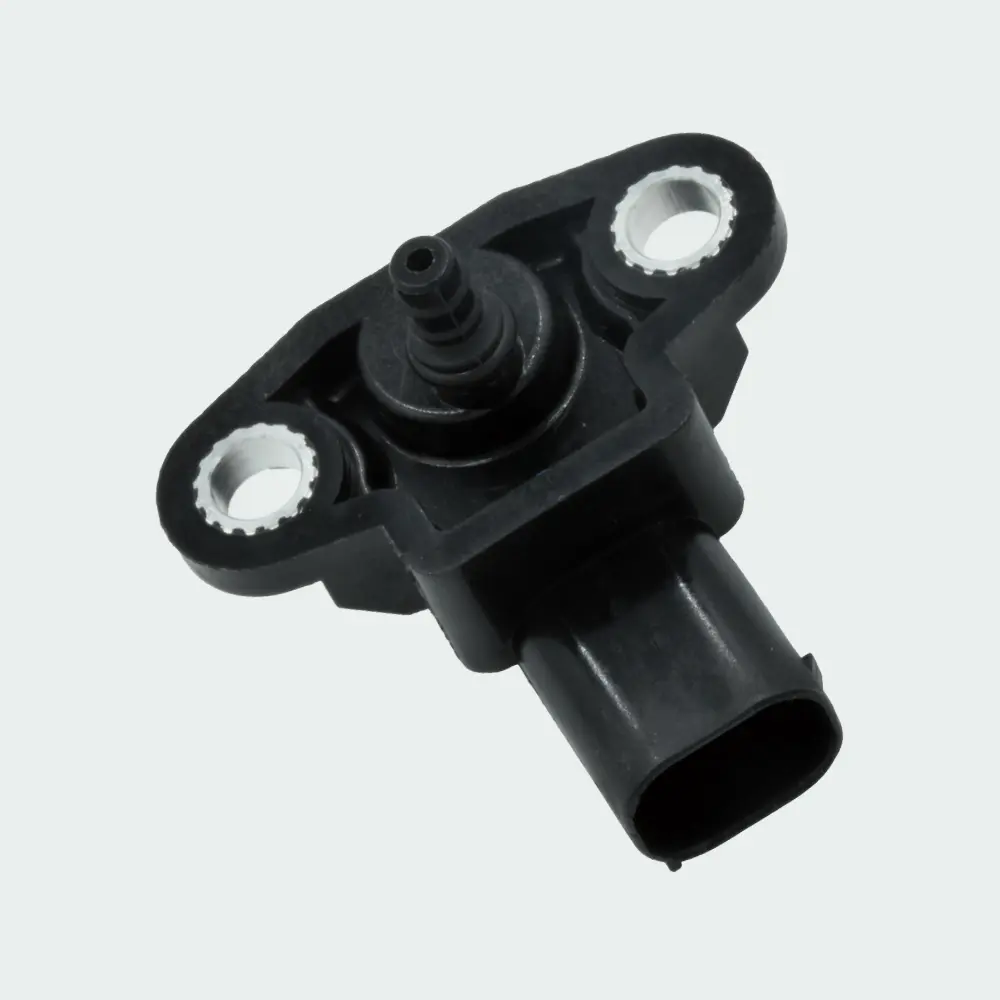
EE2883
VXPRO Boost Pressure Sensor
EE2883
A0061531628, A0071530028, A0101537228, 0061531628, 0071530028, 0101537228
Mercedes-Benz C-Class, CLS-Class, E-Class, Sprinter, Viano, Vito
EE2709
VXPRO Boost Pressure Sensor
EE2709
1503280, 6C119F479AB, M9101473, 1372511
Citroën Relay
Ford Transit
Peugeot Boxer
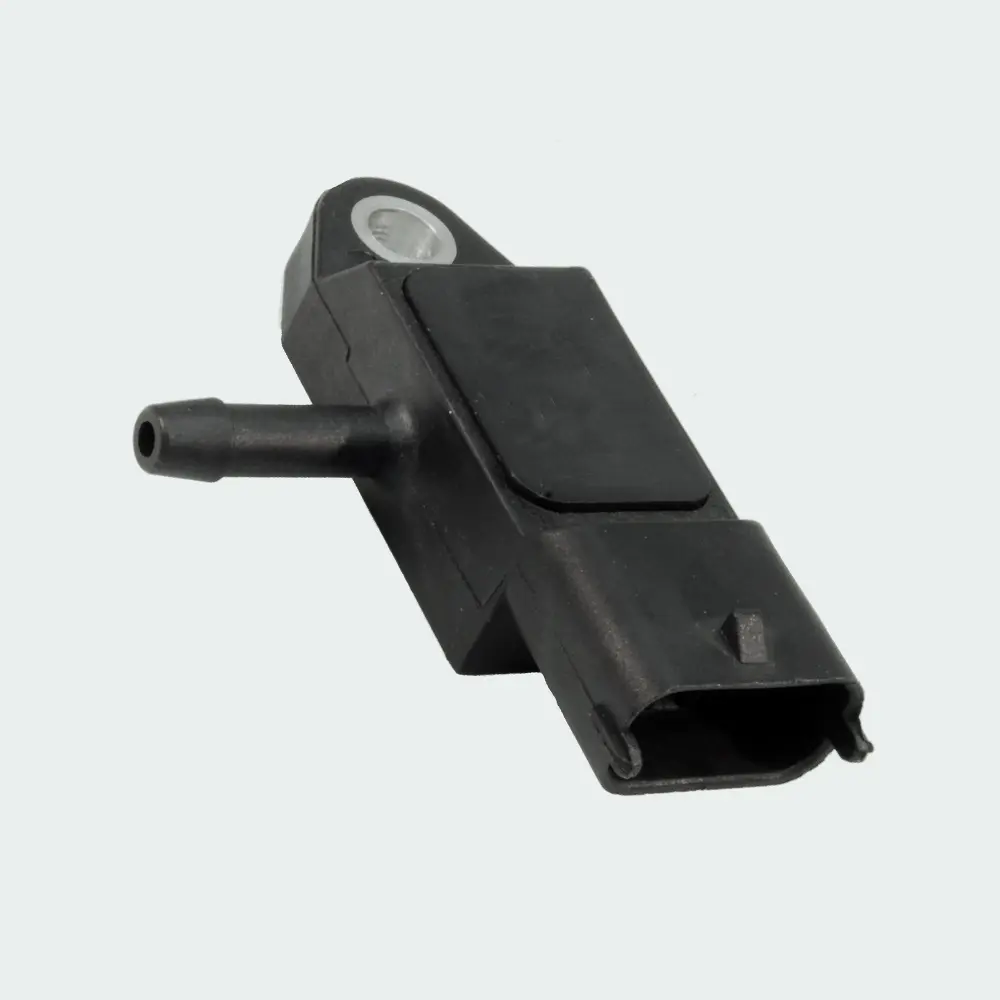
EE2707
VXPRO Boost Pressure Sensor
EE2707
1320683, 4406441, 4412919, 93450122, 93852290, 8200225971, 940700690034, 223657266R, 1859084A01
Nissan Interstar, Primastar
Renault Clio, Kangoo, Modus, Scenic, Trafic
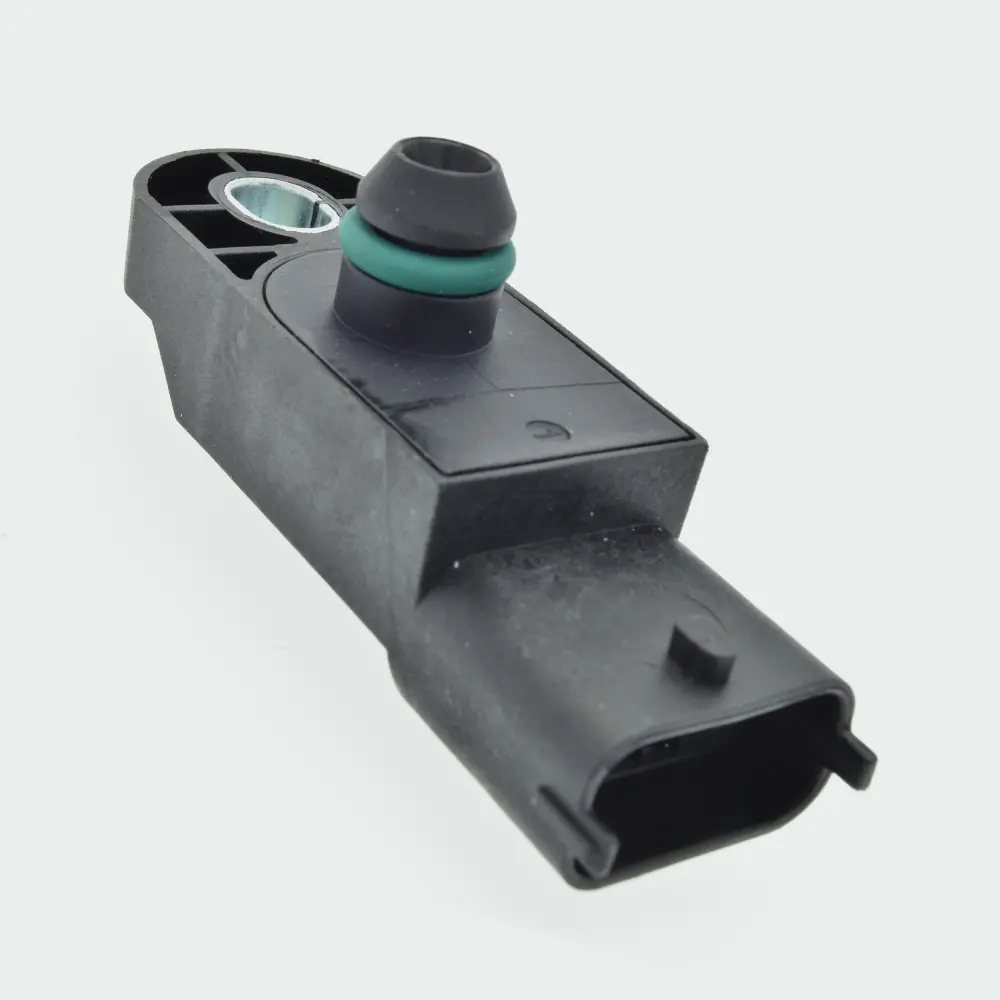
EE2726
VXPRO Boost Pressure Sensor
EE2726
223655X20A, 2373100Q0L, 93168455, 4420747, 7701062395, 8200292433, 8200685363, 1859080KA0000, 18591080KC0000
Renault Espace, Koleos, Laguna, Master, Megane, Trafic
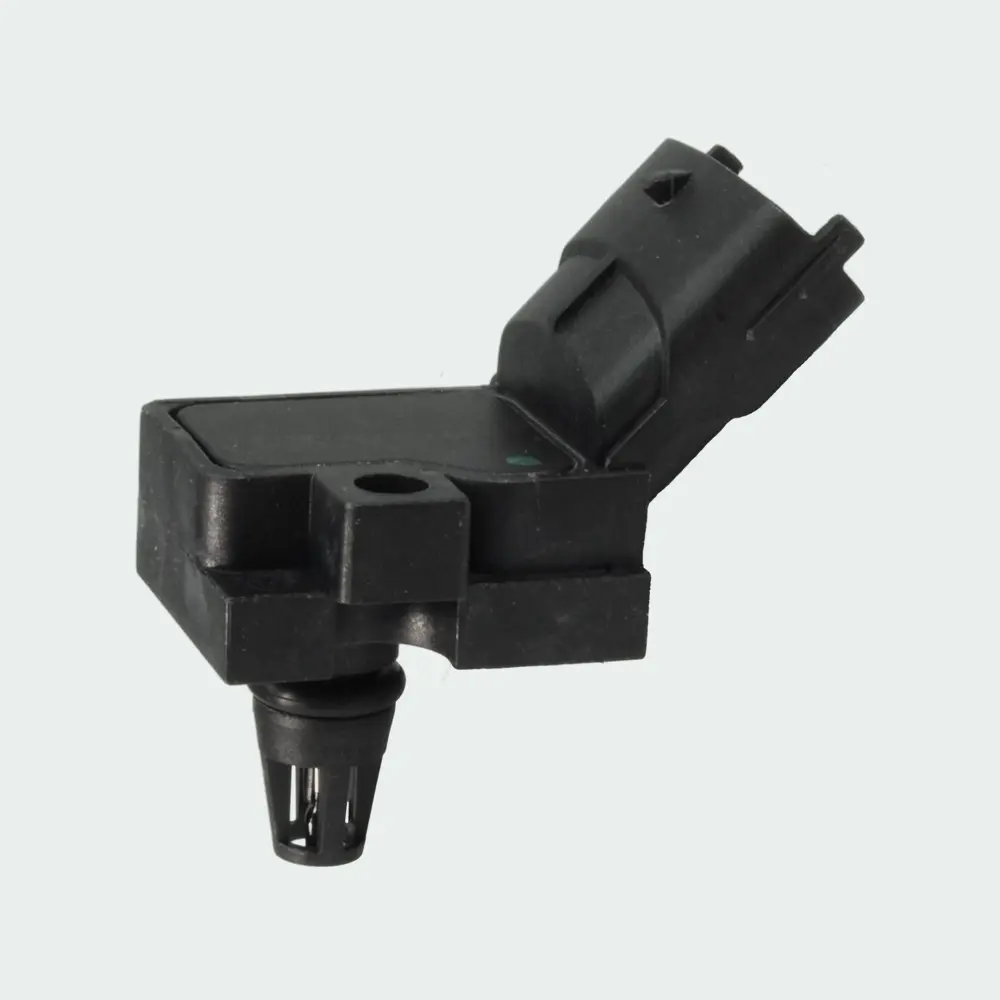
EE2736
VXPRO Boost Pressure Sensor
EE2736
1379704, 1689133, 6G9N12B676AA, 6G9N12B676AB, AJ811668, LR008887, 30622083
Volvo C30, C70, S60, S80, V70, XC70, XC90

Boost pressure sensors operate in demanding environments and can fail for a number of reasons, including:
When a boost pressure sensor fails or provides inaccurate readings, common symptoms may include:
Urea Dosing Modules (AdBlue® Injectors)
Precise dosing of Urea (AdBlue®) to lower emissions with VXPRO

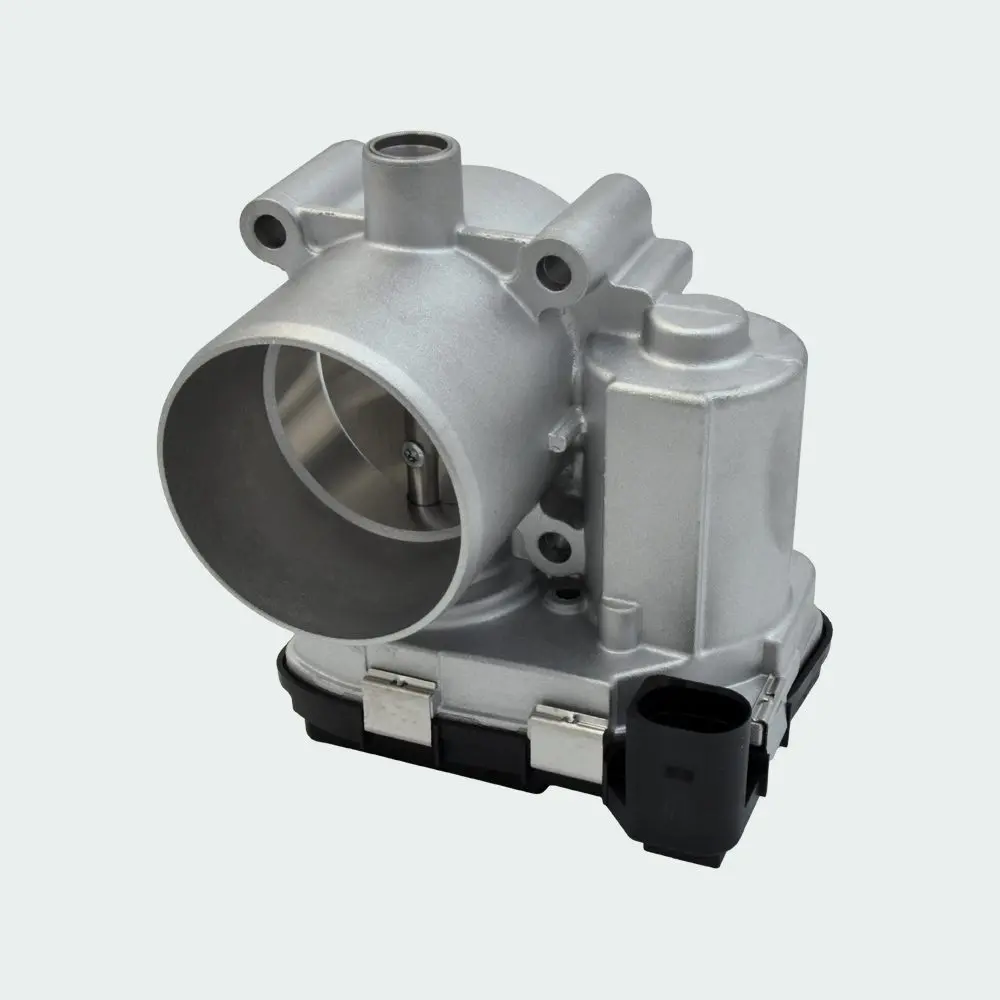
Throttle Bodies
Control airflow into the engine for precise power and efficiency with VXPRO
Camshaft Position Sensors
Provide precise camshaft data for accurate timing and smooth engine performance with VXPRO

 For Technical Support – Start a WhatsApp Chat with our TechASSIST Experts