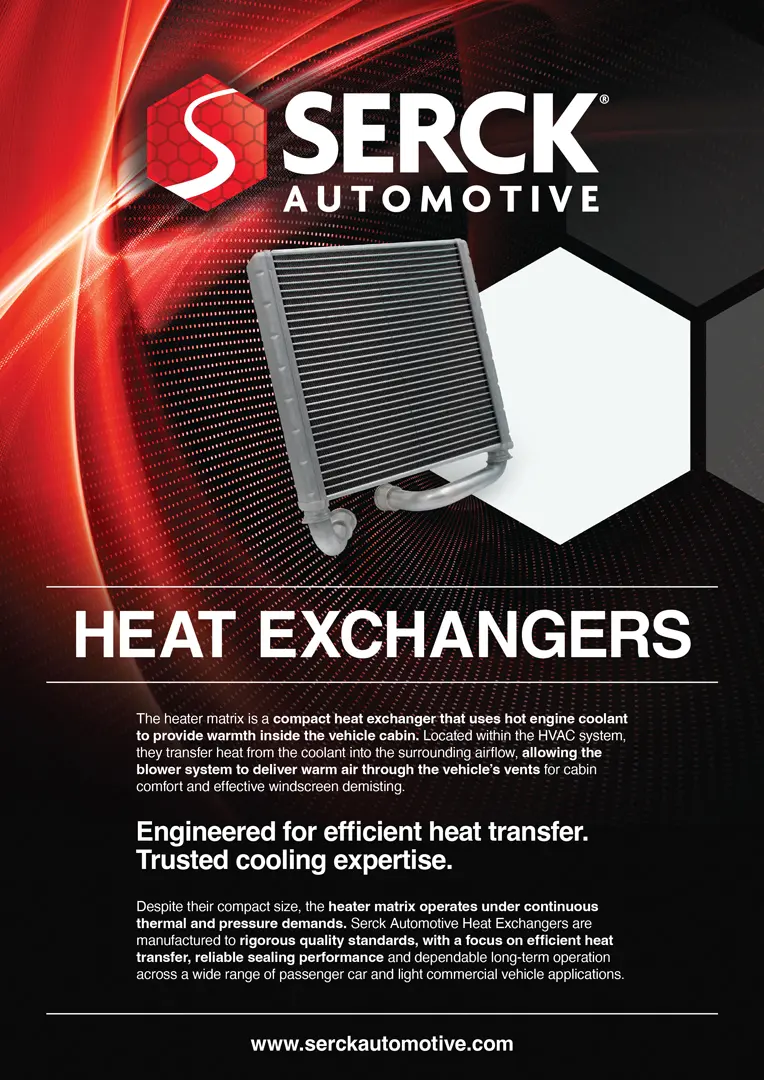
Heat Exchangers (Heater Matrix)

The heater matrix is a compact heat exchanger that uses hot engine coolant to provide warmth inside the vehicle cabin. Located within the HVAC system, it transfers heat from the coolant into the surrounding airflow, allowing the blower system to deliver warm air through the vehicle’s vents for cabin comfort and effective windscreen demisting.
Despite its compact size, the heater matrix operates under continuous thermal and pressure demands. Internal restrictions, corrosion or leakage can significantly reduce heating performance and may lead to coolant loss inside the vehicle. Serck Automotive Heat Exchangers are manufactured to rigorous quality standards, with a focus on efficient heat transfer, reliable sealing performance and dependable long-term operation across a wide range of passenger car and light commercial vehicle applications.
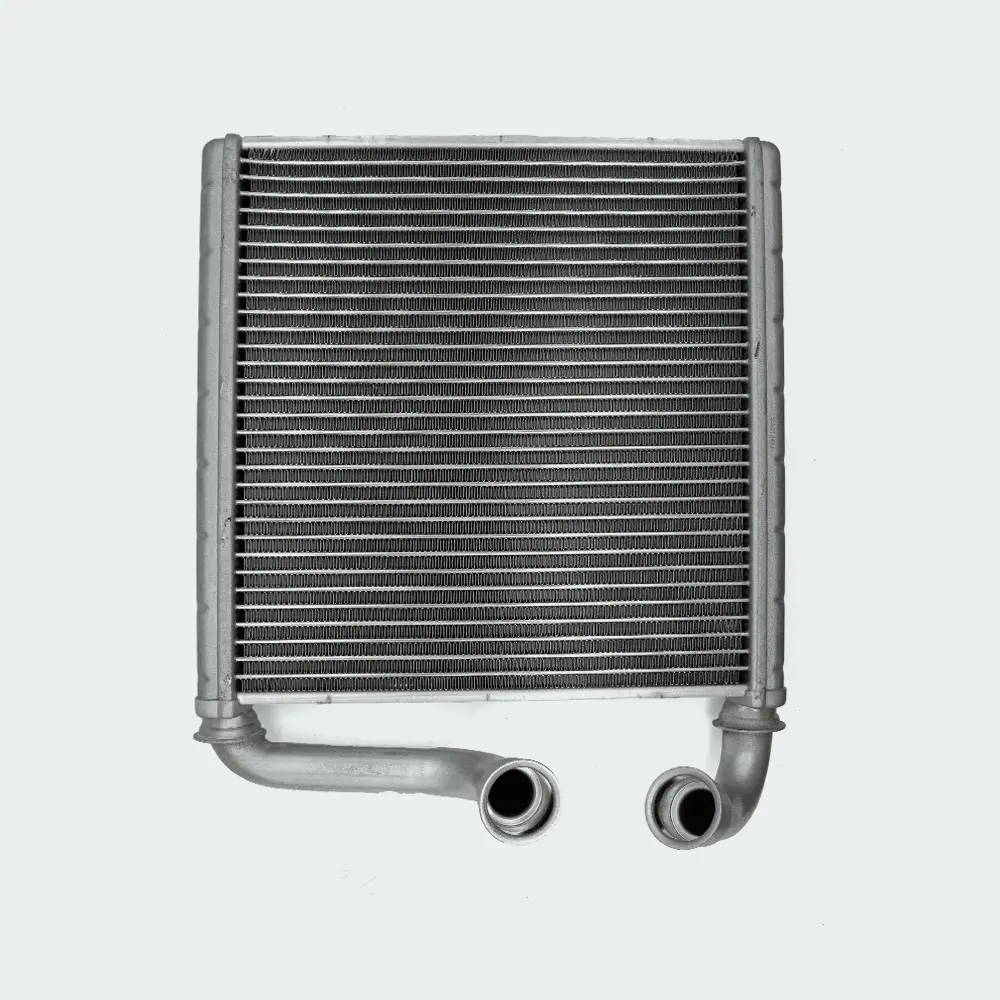
Heater matrix demand becomes particularly important during colder months, when poor cabin heating and ineffective windscreen demisting quickly become noticeable to drivers. Failures can also occur year-round through coolant leaks, corrosion and internal restrictions.
StockASSIST helps identify the heater matrix applications most relevant to the UK aftermarket, using vehicle parc and sales history to help factors stock the products workshops are most likely to need.

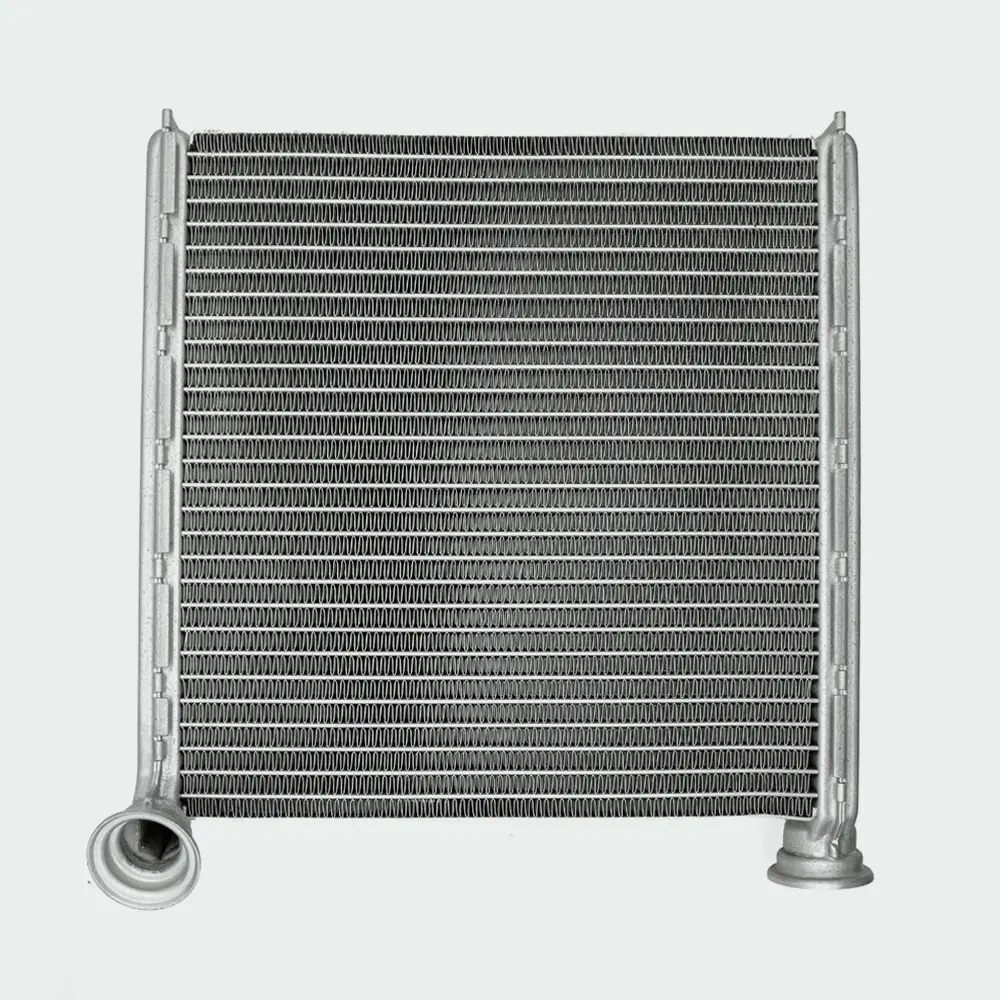
SHE2201
Serck Heat Exchanger
SHE2201
5Q0819031, 5Q0819031B, AJS6385, 108187, AH256000S, 73980, 54342, 715303
Audi A3, Q2, S3
SEAT Ateca, Leon, Tarraco
Skoda Karoq, Kodiaq, Octavia, Superb
Volkswagen Arteon, Golf, Passat, Tiguan, Touran, T-Roc
SHE2202
Serck Heat Exchanger
SHE2202
5Q0819031A, VN6424, 170413, 350218523000, AH253000S, 73943, 54361, 811506
Audi Q3, TT
SEAT Ateca
Skoda Karoq, Kodiaq, Superb
Volkswagen Arteon, Crafter, Golf, Passat, Tiguan, T-Roc
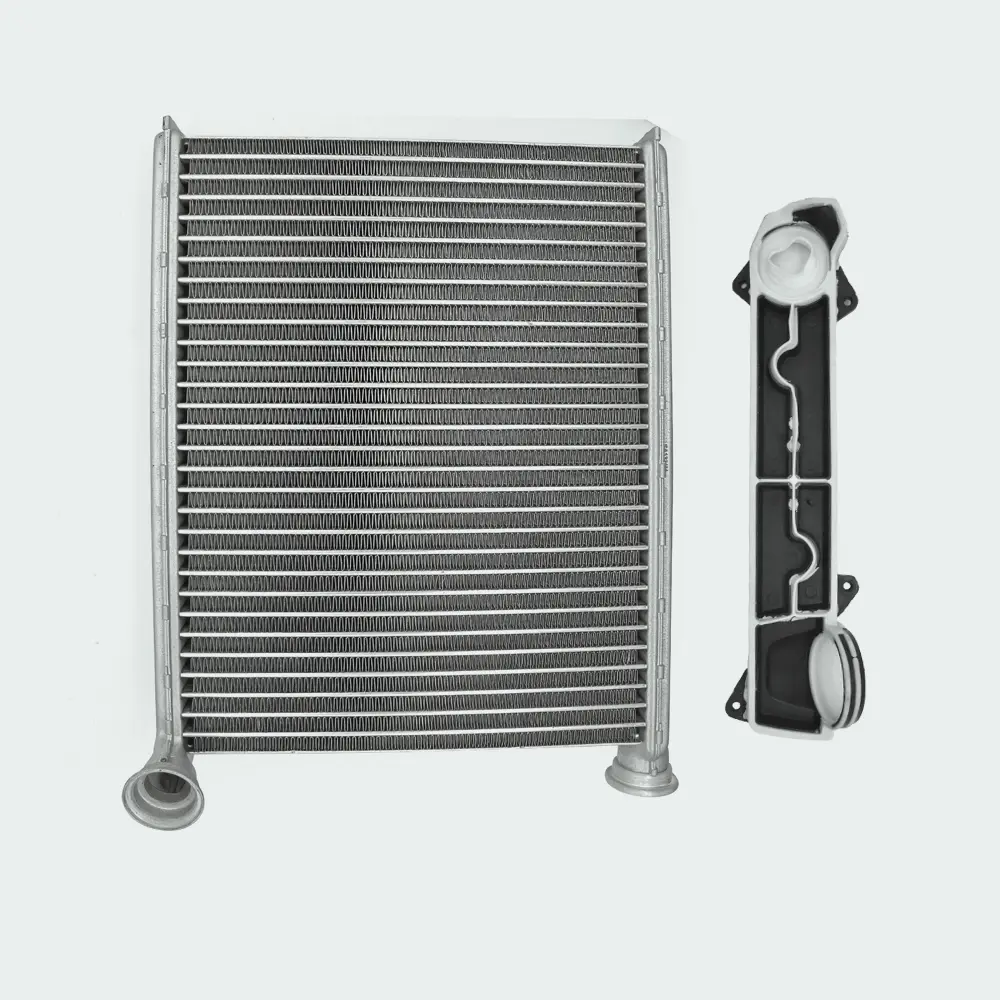
SHE2203
Serck Heat Exchanger
SHE2203
6448S4, 6448V6, CN6281, 350218473000, AH264000S, 71162, 54314, 812416
Citroën C3
Peugeot 308, RCZ
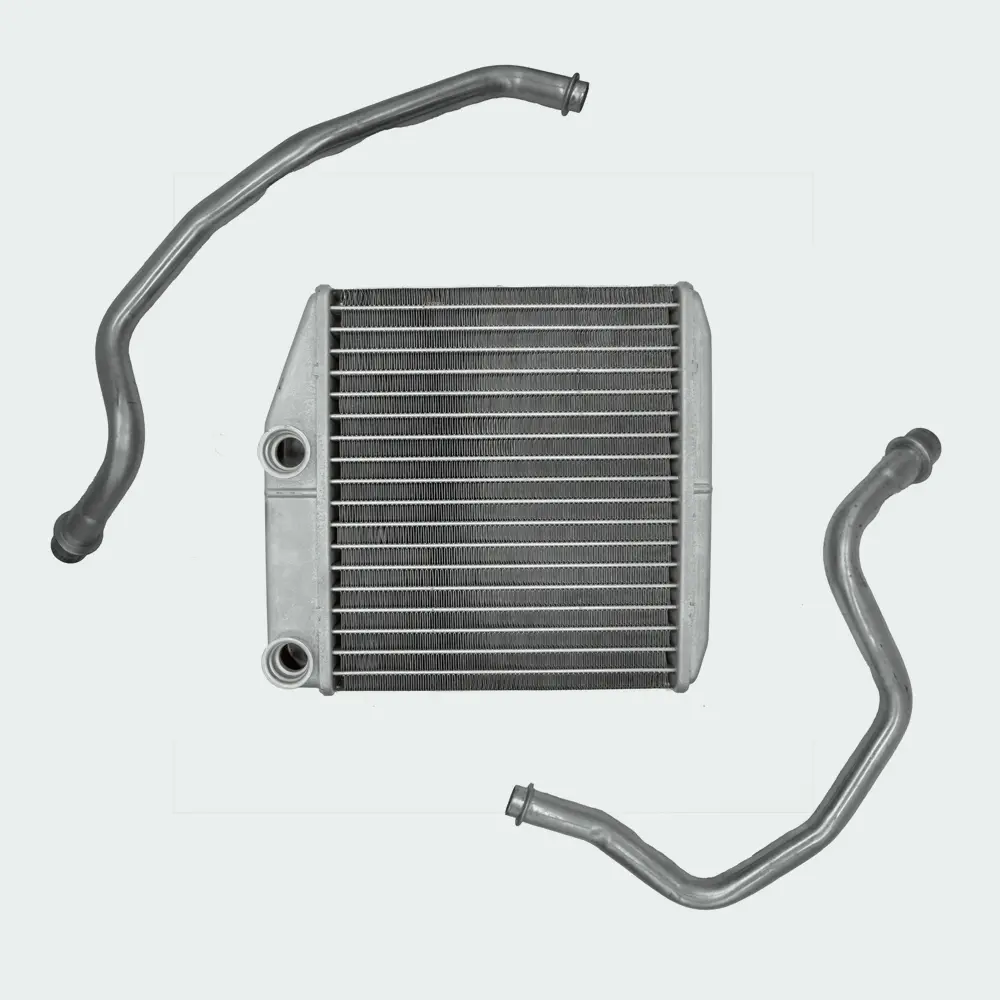
SHE2204
Serck Heat Exchanger
SHE2204
77363898, 77365032, 1611726780, 1611902880, 6448TO, 6448X8, 1618468, 39033120, 55702423, FT6313, DRR09076, 8FH366335661, 350218227000, AH9000S, 71456, 54213, 811502, V24640003
Alfa Romeo MiTo
Citroën Nemo
Fiat Fiorino, Grande Punto, Punto, Punto Evo, Qubo
Opel Corsa
Peugeot Bipper
Vauxhall Adam, Corsa
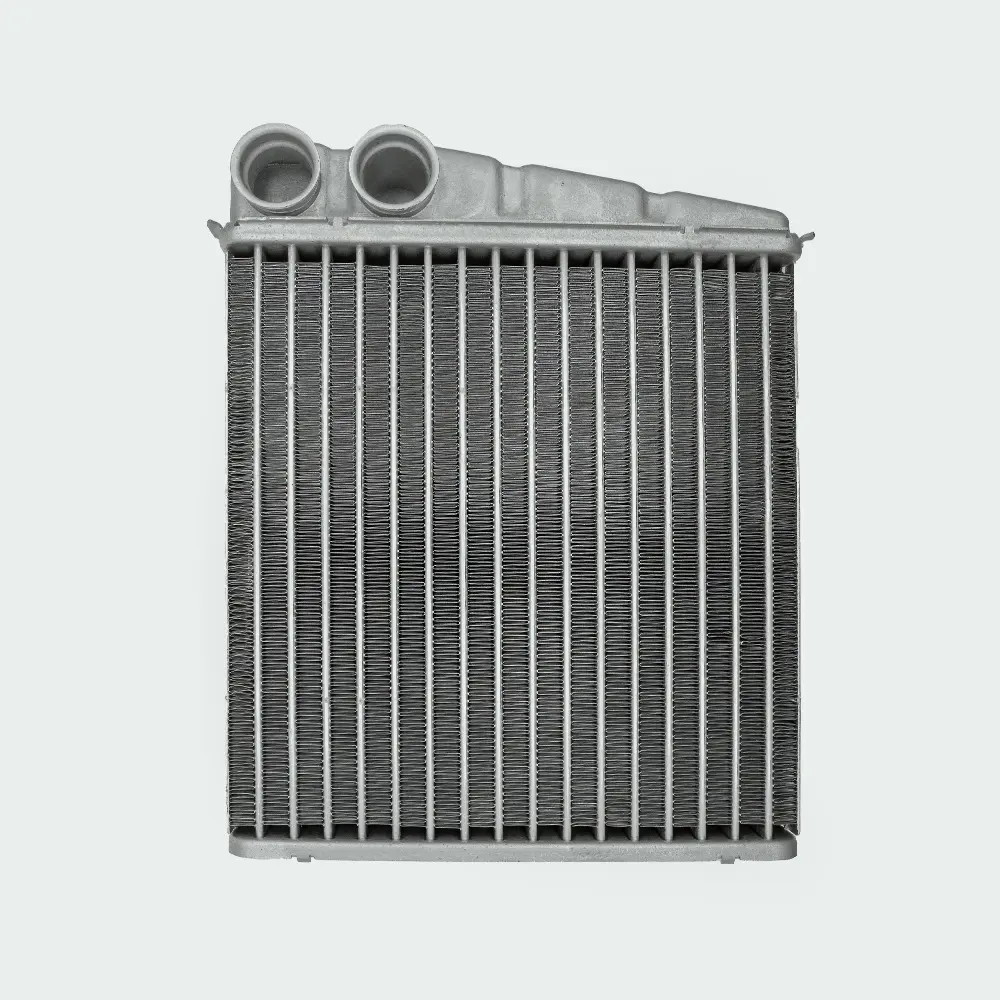
SHE2205
Serck Heat Exchanger
SHE2205
1K0819031, 1K0819031A, 1K0819031B, 1K0819031D, 1K0819031E, VNA6229, 669558, 37033, 8FH366335181, AH208000S, 70228, 54271, 812254
Audi A3, Q3, TT
SEAT Alhambra, Altea, Leon, Toledo
Skoda Octavia, Superb, Yeti
Volkswagen Caddy, CC, Eos, Golf, Jetta, Passat, Scirocco, Sharan, Tiguan, Touran
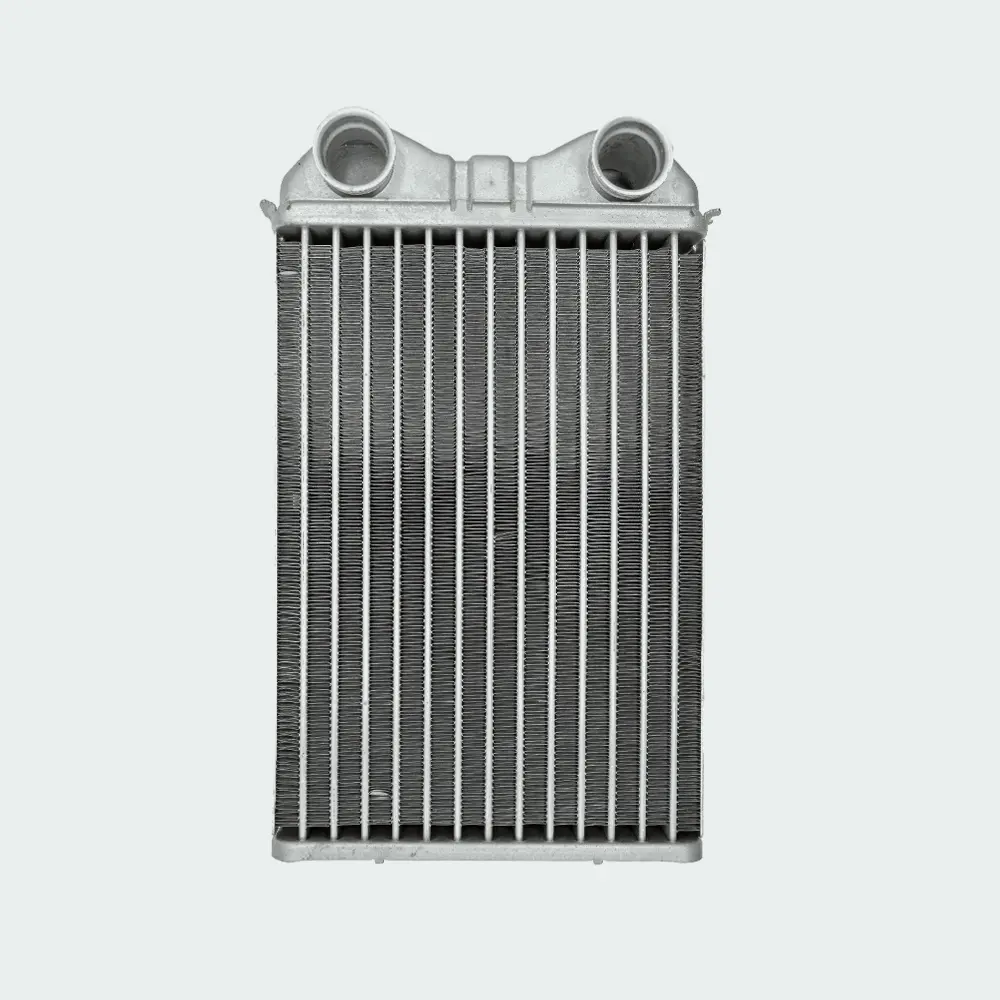
SHE2206
Serck Heat Exchanger
SHE2206
64111497527, BW6426, 0036013338, 669205, AH251000S, 70808, 54341, 811533
MINI MINI
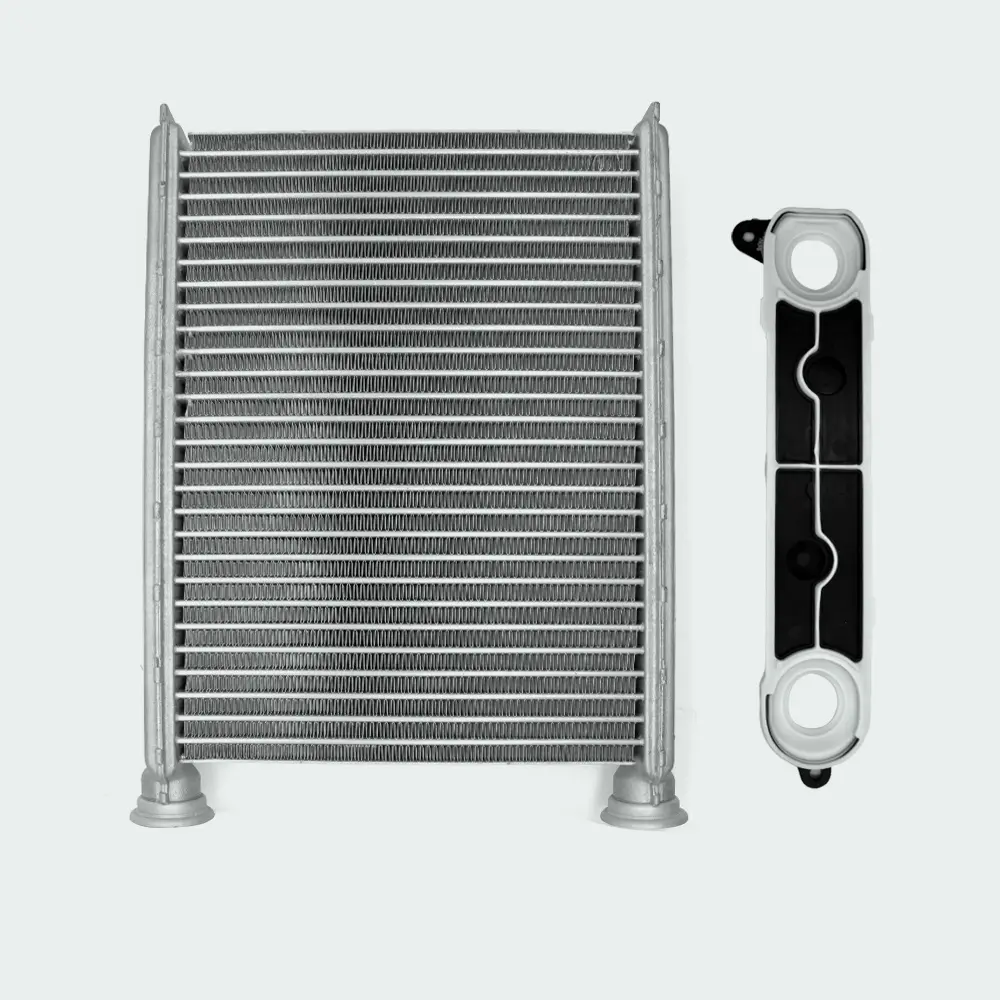
SHE2209
Serck Heat Exchanger
SHE2209
6000617449, 271159831R, 4407490, 95517541, RT6569, 669229, 8FH366335791, 350218464000, AH259000S, 73343, 54346, 812413
Fiat Talento
Renault Megane, Scenic, Trafic
Vauxhall Vivaro
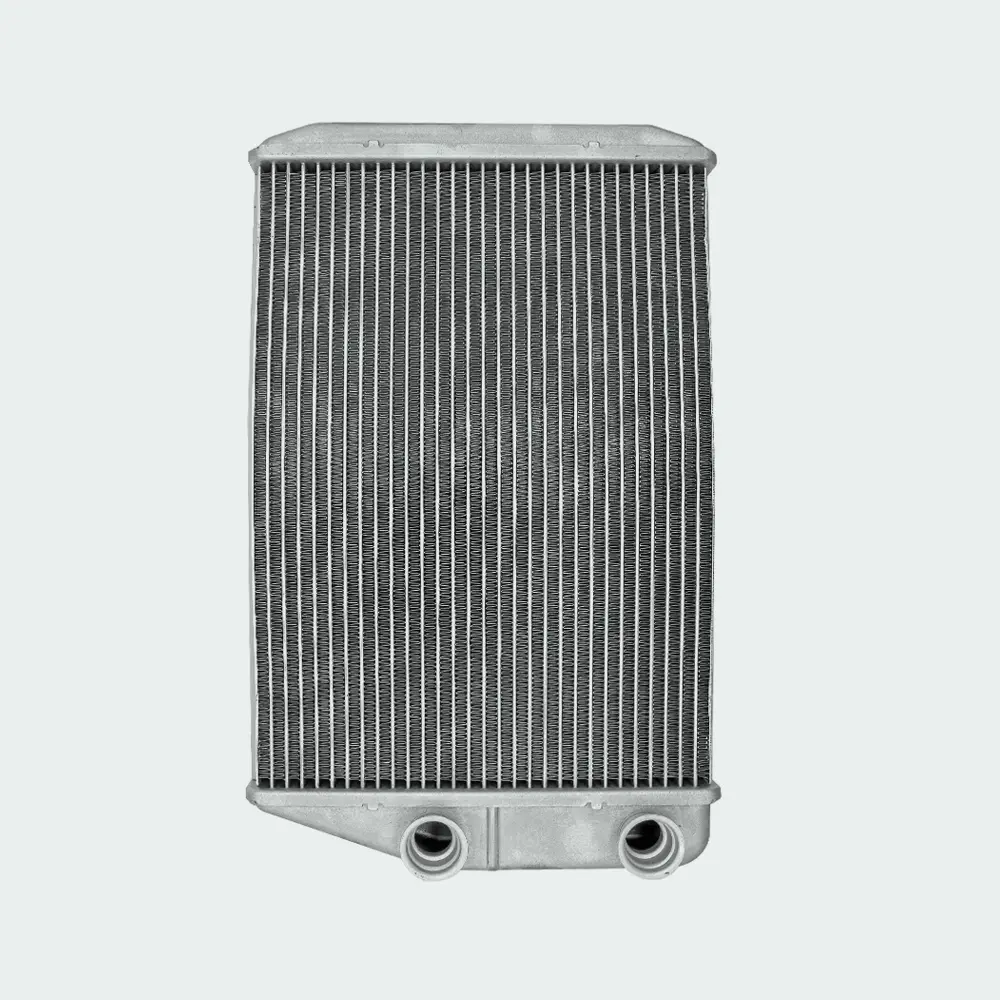
SHE2212
Serck Heat Exchanger
SHE2212
6448R0, 77364073, FT6410, DRR09034, 669535, 350218443000, AH225000S, 73989, 54309, 811514
Citroën Relay
Fiat Ducato
Peugeot Boxer
Vauxhall Movano
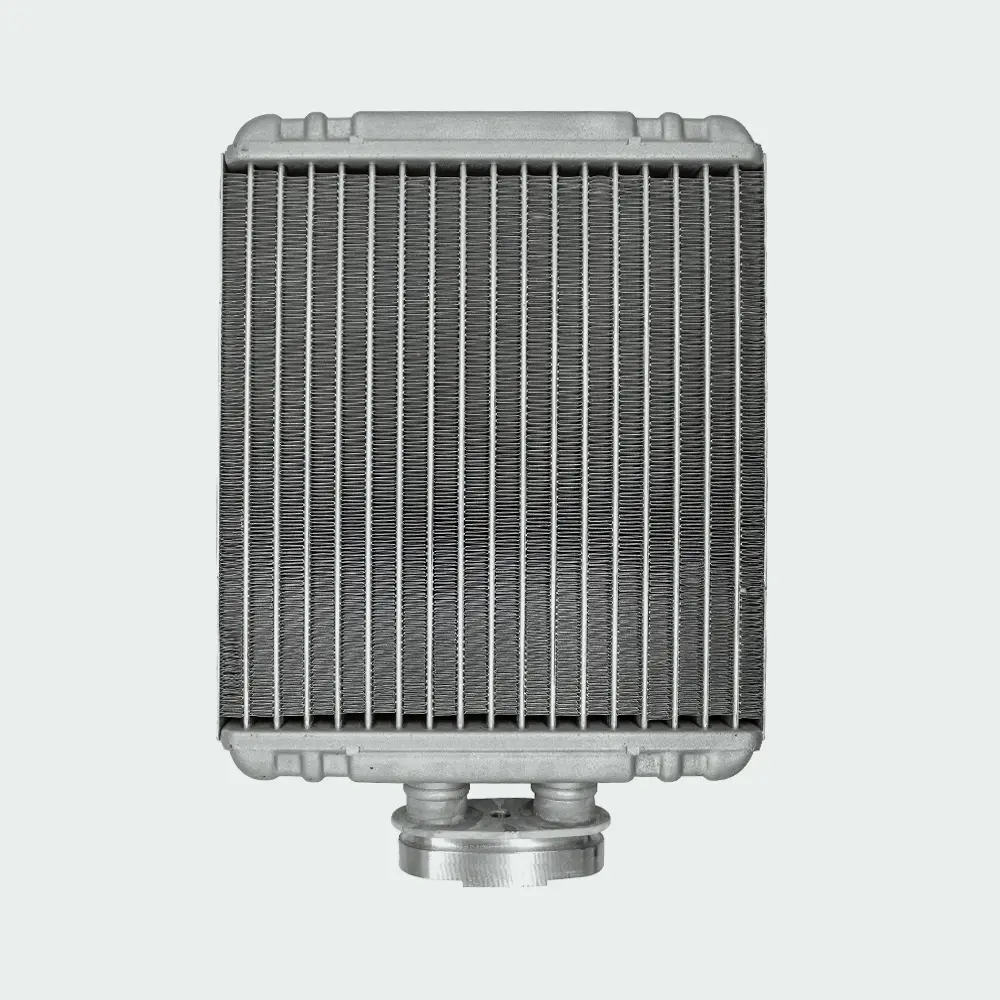
SHE2221
Serck Heat Exchanger
SHE2221
6Q0819031, 6Q0819033, 6Q0819093, 6Q0819861, VN6196, 669557, 183201, 8FH366335821, 350218412000, AH75000S, 73654, 53558, 812323
Audi A1
SEAT Cordoba, Ibiza, Toledo
Skoda Fabia, Rapid, Roomster
Volkswagen Fox, Polo
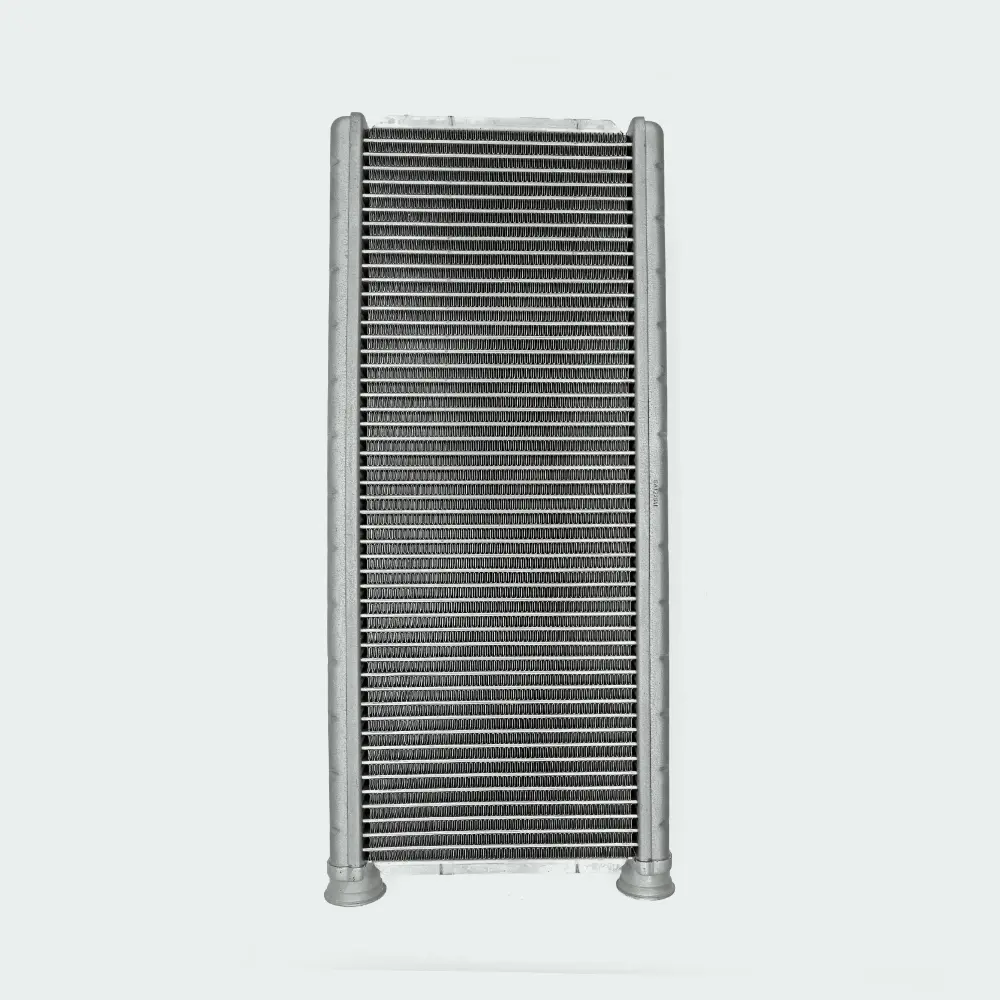
SHE2224
Serck Heat Exchanger
SHE2224
9821299980, 1609730580, CN6339, DRR21004, 669262, 350218514000, AH334000P, 707201, 54422, 811585
Citroën Berlingo, C4, C5, Dispatch
DS DS7, DS7 Crossback
Peugeot 3008, 5008, Expert, Partner, Rifter, Traveller
Vauxhall Combo, Grandland, Grandland X, Vivaro
The heater matrix forms an important part of the vehicle’s heating and cooling system. It:
A correctly functioning heater matrix is essential for reliable cabin heating, clear visibility and effective HVAC performance.

Heater matrixes operate in a demanding environment and can fail over time due to:
 For Technical Support – Start a WhatsApp Chat with our TechASSIST Experts