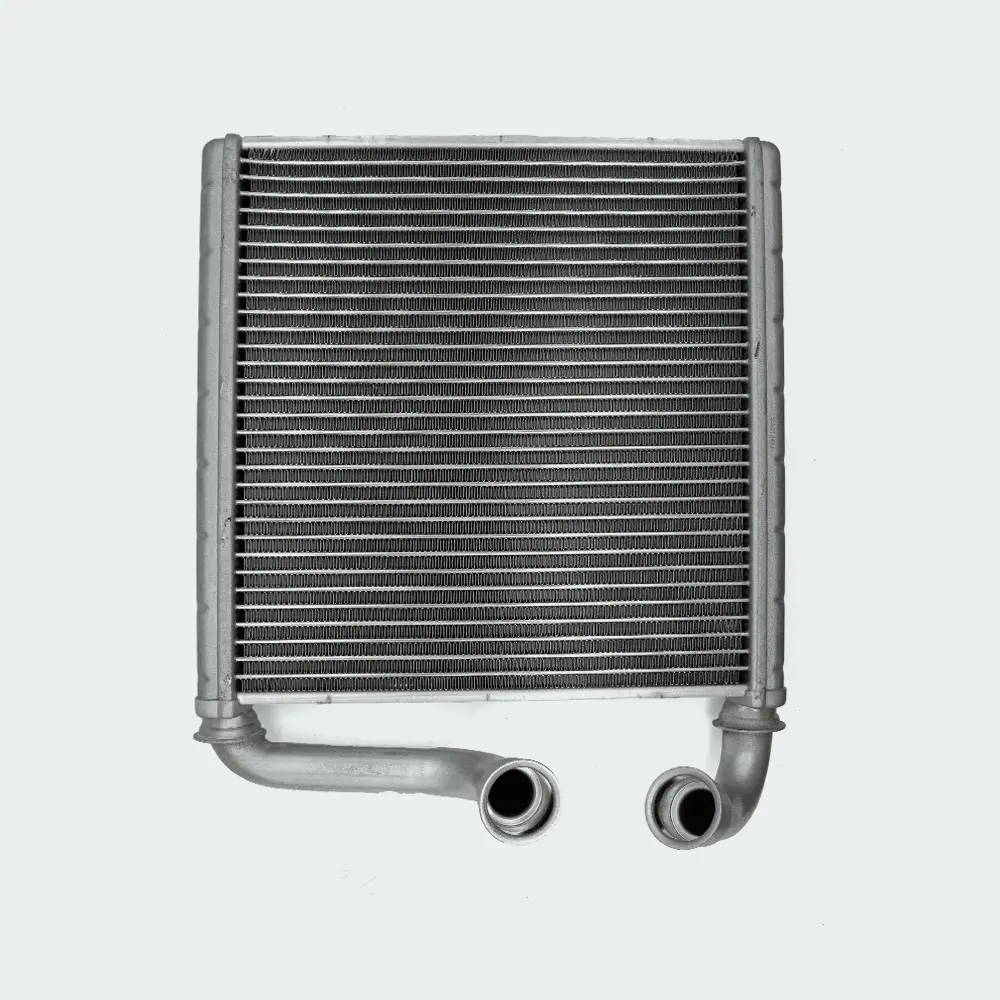
Heater Blower Motors

Serck Automotive Heater Blower Motors are precision-engineered to deliver dependable, consistent airflow across a wide range of passenger vehicles. Manufactured to exacting OE standards, each unit is designed to integrate seamlessly within the HVAC system, ensuring accurate air distribution, efficient operation, and long-term durability.
Built with a focus on engineering integrity and component reliability, Serck blower motors provide workshops with a solution they can trust, restoring cabin comfort while maintaining system performance exactly as intended.

Blower motors are a seasonal fast mover — especially during colder months when drivers need heating and demisting fast. StockASSIST uses car parc data and seasonal sales trends to help you prioritise the most in-demand references.
Here are 10 of the most requested heater blower motor applications in our UK range:


EH5001 Coming Soon
Serck Automotive Heater Blower Motor
EH5001 Coming Soon
3C2820015, 1K2820015H, 3C2820015F, 3C2820015D, 1K2820015C
Audi A3, Q3, RS3, RSQ3, S3, TT
Seat Alhambra, Altea, Leon, Toledo
Skoda Octavia, Superb, Yeti
Volkswagen Beetle, Caddy, CC, Eos, Golf, Jetta, Passat, Scirocco, Sharan, Tiguan, Touran

EH5000 Coming Soon
Serck Automotive Heater Blower Motor
EH5000 Coming Soon
55702446, 77364952, 55702447, 13335074
Fiat Fiorino, Grande Punto, Punto Evo, Punto, Qubo
Opel Adam, Corsa
Vauxhall Adam, Corsa

EH5004 Coming Soon
Serck Automotive Heater Blower Motor
EH5004 Coming Soon
6001547691, 272269U01A, 27226AX105, 27226AX205
Dacia Duster
Nissan March, Micra, Note, NV200
Renault Clio, Modus, Twingo, Wind

EH5003 Coming Soon
Serck Automotive Heater Blower Motor
EH5003 Coming Soon
1K2819015
Audi A3, Q3, RSQ3, S3
Seat Alhambra, Altea, Leon, Toledo
Skoda Octavia, Superb, Yeti
Volkswagen Beetle, Caddy, CC, Eos, Golf, Jetta, Passat, Scirocco, Sharan, Tiguan, Touran

EH5012 Coming Soon
Serck Automotive Heater Blower Motor
EH5012 Coming Soon
27225ET00A, 27225ET00B
Nissan Qashqai

EH5009 Coming Soon
Serck Automotive Heater Blower Motor
EH5009 Coming Soon
1608175880, 6441V2, 871030H030, 871030H031
Citroën C1
Peugeot 107
Toyota Aygo
EH5019 Coming Soon
Serck Automotive Heater Blower Motor
EH5019 Coming Soon
6441AS
Citroën Berlingo
Peugeot Partner

EH5002 Coming Soon
Serck Automotive Heater Blower Motor
EH5002 Coming Soon
1845003, 1845065, 1845101, 1845119, 9117606, 9192935, 93181057, 93191901
Opel Astra
Vauxhall Astra

EH5011 Coming Soon
Serck Automotive Heater Blower Motor
EH5011 Coming Soon
6Q2819015
Audi A1, A2, S1
Seat Cordoba, Ibiza, Toledo
Skoda Fabia, Rapid, Roomster
Volkswagen Fox, Polo

EH5017 Coming Soon
Serck Automotive Heater Blower Motor
EH5017 Coming Soon
4158350700, 4158350800, 2720500Q1B, 04419685, 093197783, 4419685, 93197783
Mercedes-Benz Citan
Nissan NV250, NV400
Opel Movano
Renault Kangoo, Master
Vauxhall Movano
Heater blower motors play a vital role in vehicle climate control systems. They:
A faulty blower motor can lead to reduced airflow, poor cabin comfort and ineffective windscreen demisting, affecting both vehicle usability and driver visibility.

Blower motors operate continuously in demanding conditions and are exposed to heat, vibration and airborne contaminants. Common causes of failure include:
ELTA Updates
Get product news, technical insights and aftermarket updates from ELTA, straight to your inbox.
 For Technical Support – Start a WhatsApp Chat with our TechASSIST Experts