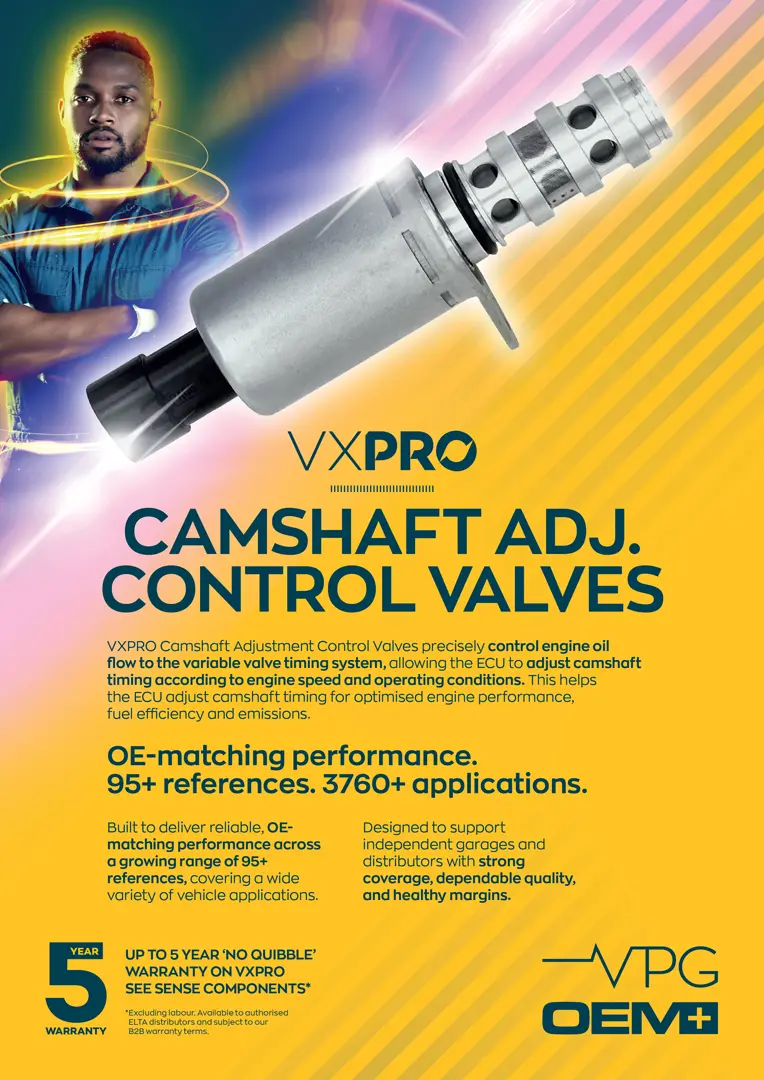
Camshaft Adjustment Control Valves

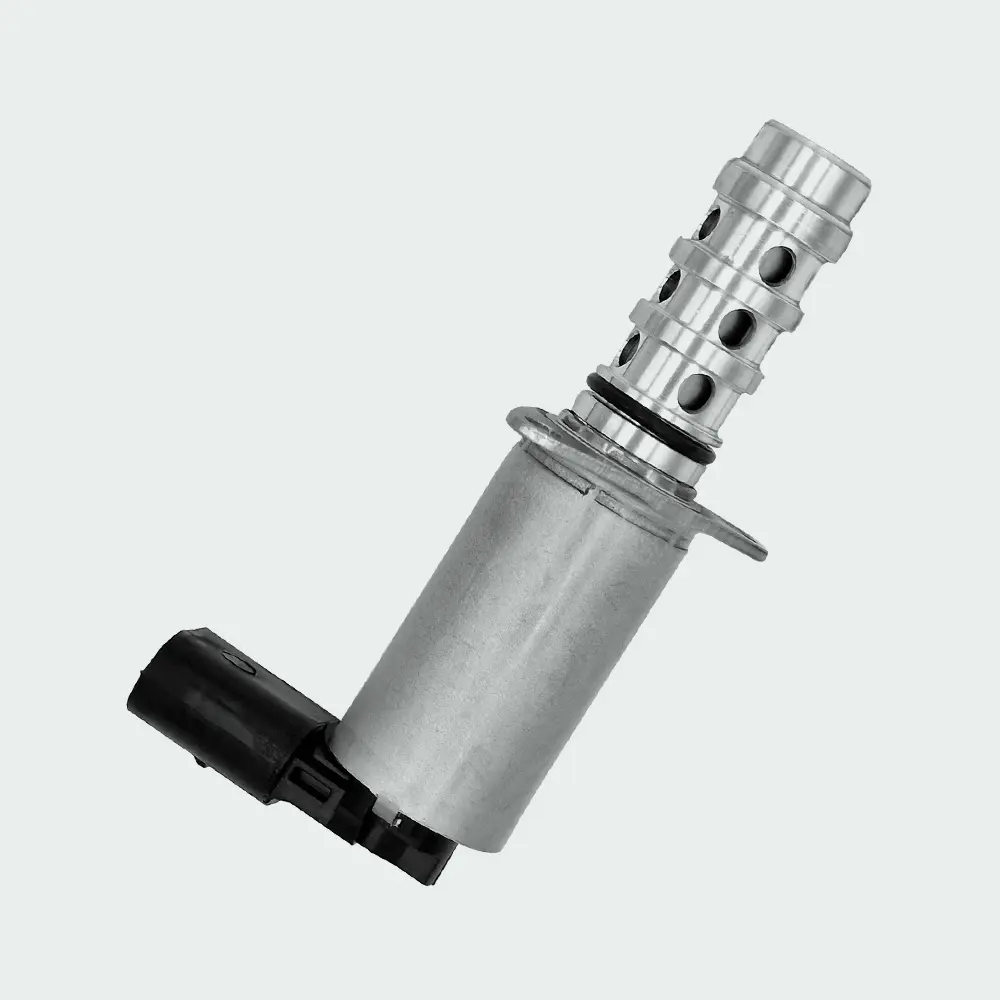
VXPRO Camshaft Adjustment Control Valves provide precise control of engine oil flow to the variable valve timing system, allowing the ECU to continuously adjust camshaft timing according to engine speed, load and operating conditions.
By controlling the operation of the camshaft adjustment mechanism, the valve helps optimise engine performance, fuel efficiency and emissions across the operating range. A faulty or contaminated valve can result in incorrect camshaft timing, poor performance, increased fuel consumption and engine management faults.
Manufactured for accurate operation and dependable response, VXPRO Camshaft Adjustment Control Valves provide workshops with a high-quality replacement solution for increasingly sophisticated variable valve timing systems.
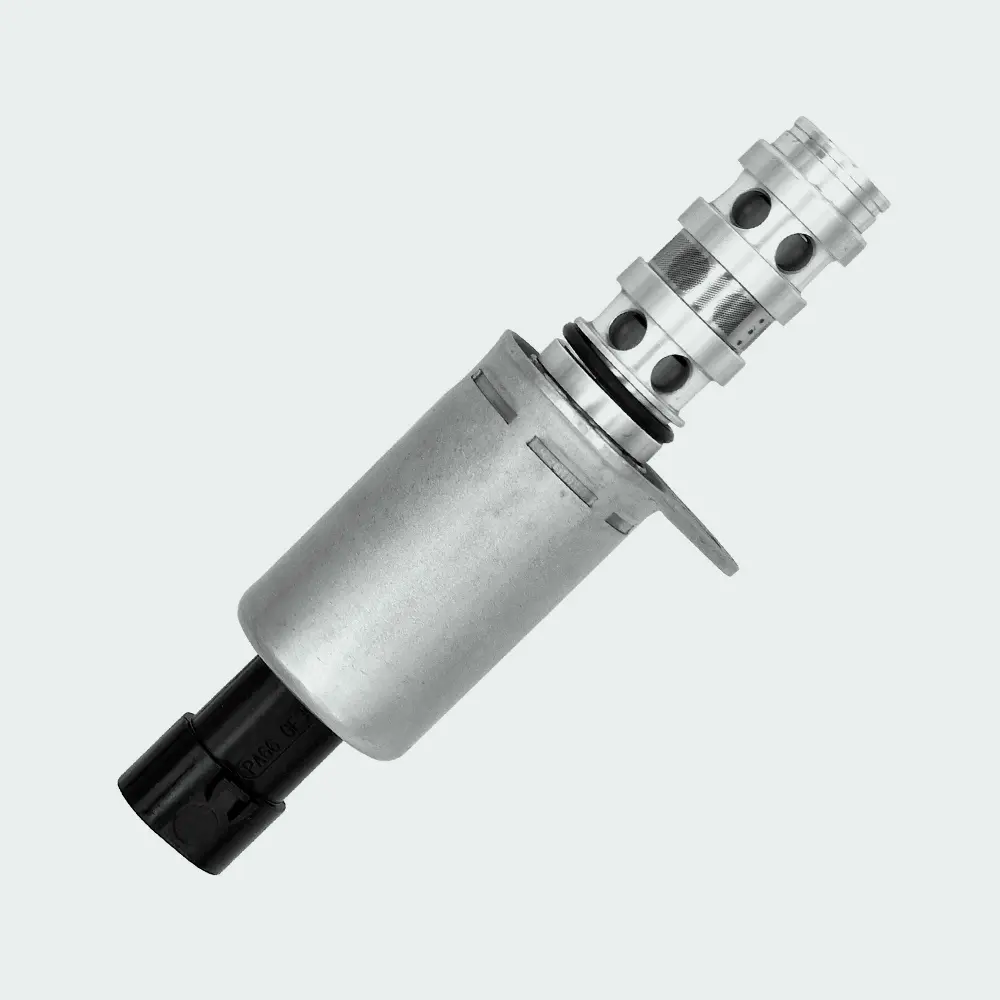
Camshaft Adjustment Control Valves are increasingly important replacement components as variable valve timing systems are now fitted across a huge proportion of the UK vehicle parc.
Contaminated engine oil, restricted oilways, electrical faults and internal wear can all affect valve operation, making accurate diagnosis and reliable replacement essential.
With StockASSIST, we help distributors identify the most relevant references based on UK vehicle parc coverage and aftermarket demand — helping you stock the parts most likely to be needed.
Here are 10 of the most relevant Camshaft Adjustment Control Valve references in our UK range:

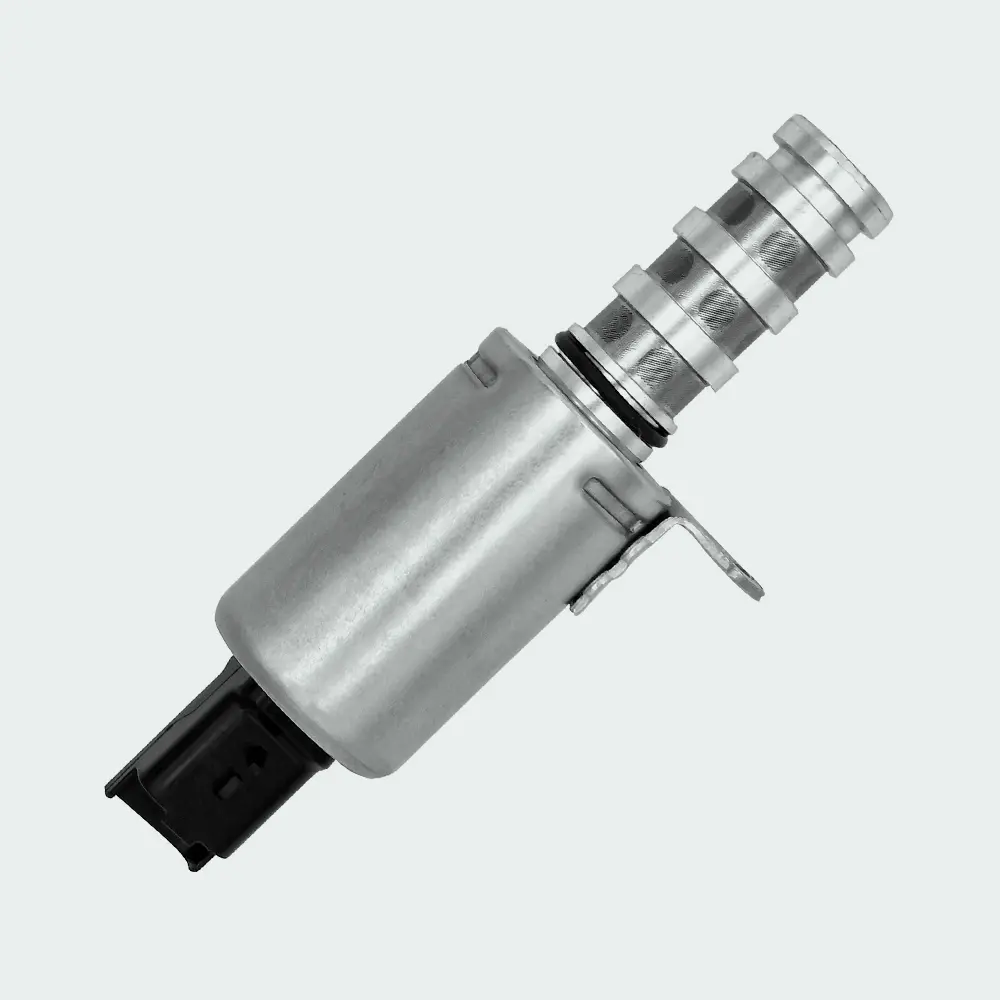
EE0805
VXPRO Camshaft Adjustment Control Valve
EE0805
11367564734, 11367566652, 11367587760, 11367604292, 11368610388
BMW 1 Series, 3 Series
MINI MINI
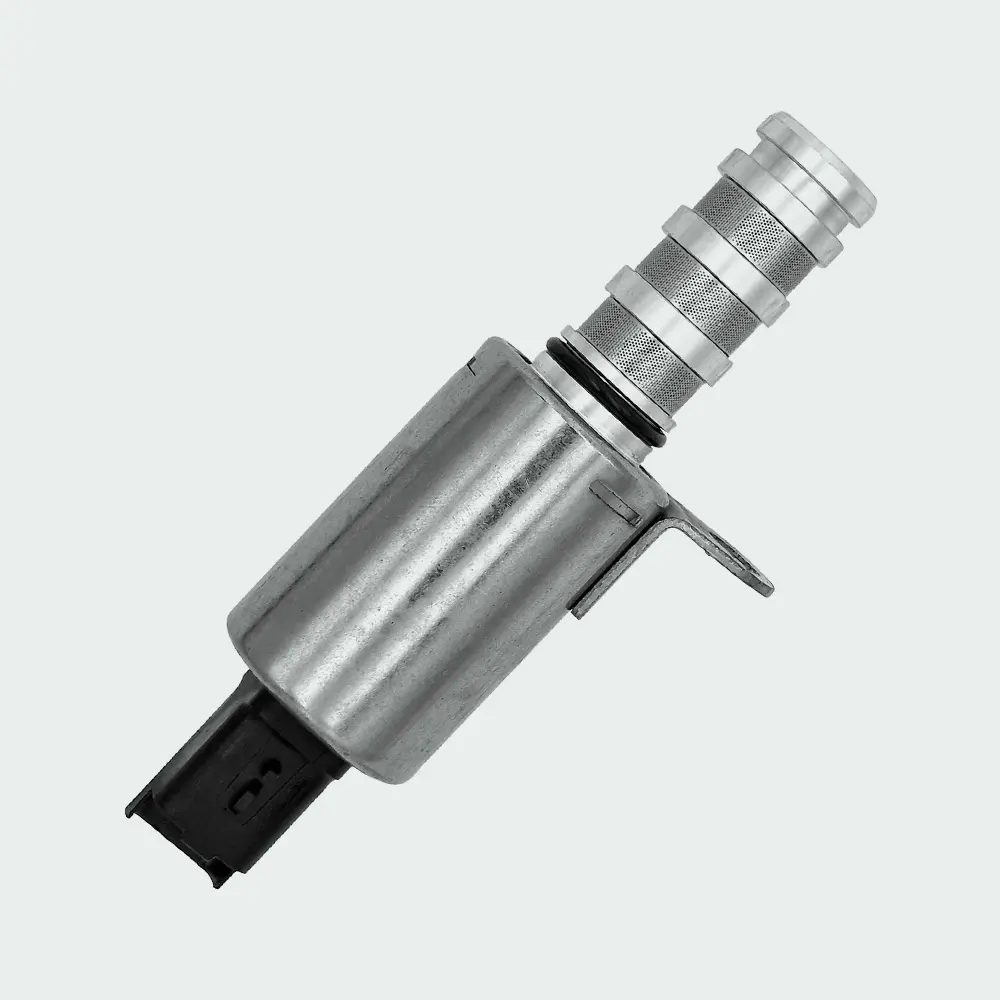
EE0808
VXPRO Camshaft Adjustment Control Valve
EE0808
1922R7, 1922V5, 1922V9, 1628924280, 9677922180, V758776080
Citroën Berlingo, C1, C3, C4, C5, DS3, DS4, DS5
DS DS3, DS4, DS4 Crossback, DS5, DS7 Crossback
Peugeot 108, 207, 208, 308, 508, 2008, 3008, 5008, Partner, RCZ
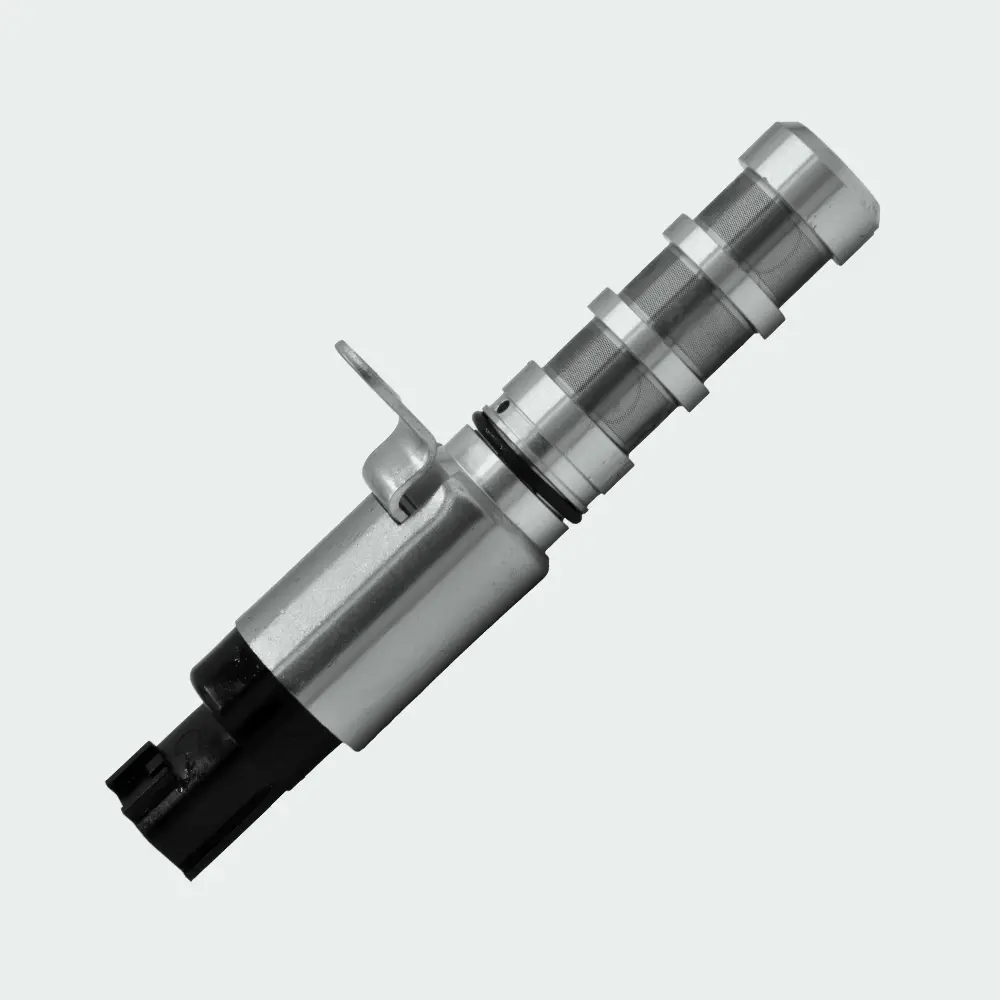
EE9058
VXPRO Camshaft Adjustment Control Valve
EE9058
237962295R, 237964624R, 237964892R
Dacia Duster, Logan, Sandero
Renault Captur, Clio, Kadjar, Megane, Scenic, Twingo
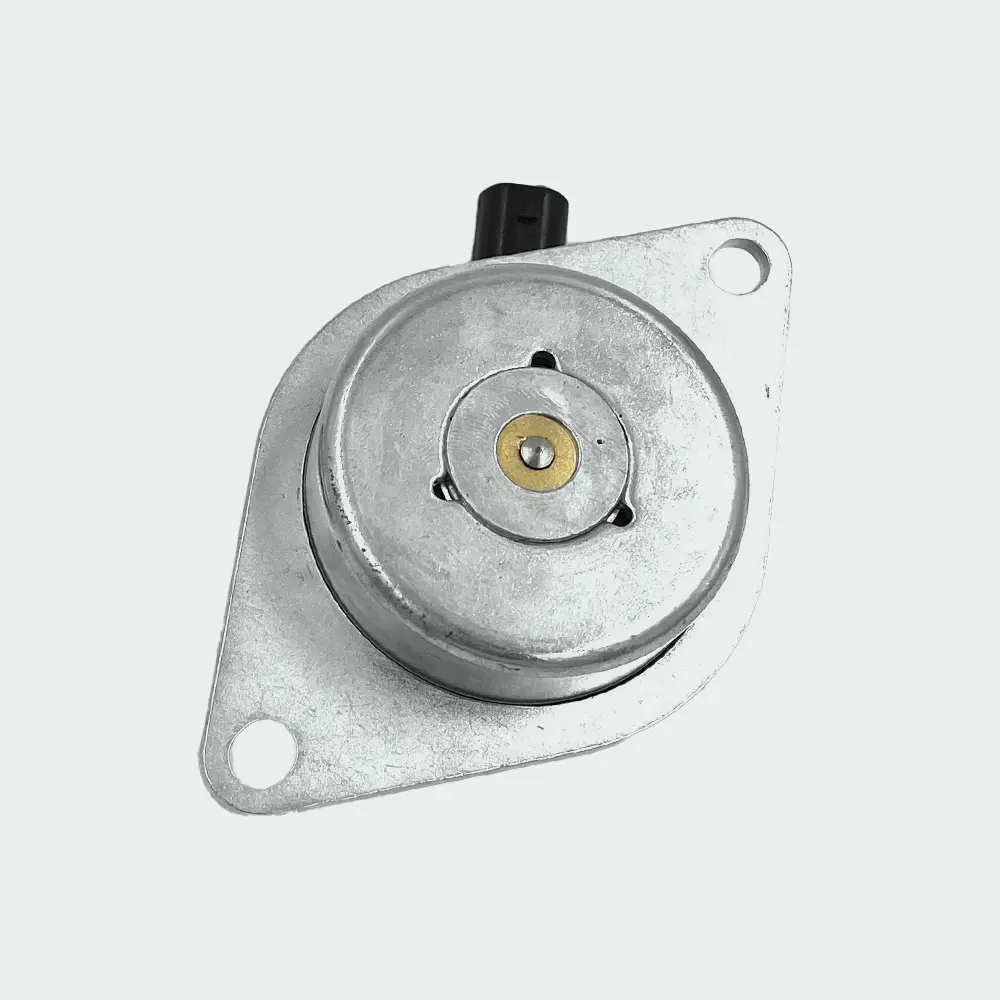
EE0800
VXPRO Camshaft Adjustment Control Valve
EE0800
12 35 022, 25195245, 55562223
Chevrolet Cruze
Opel Adam, Ampera, Astra, Cascada, Corsa, GTC, Insignia, Meriva, Mokka, Mokka X, Zafira Tourer
Vauxhall Adam, Ampera, Astra, Cascada, Corsa, GTC, Insignia, Meriva, Mokka, Mokka X, Zafira Tourer
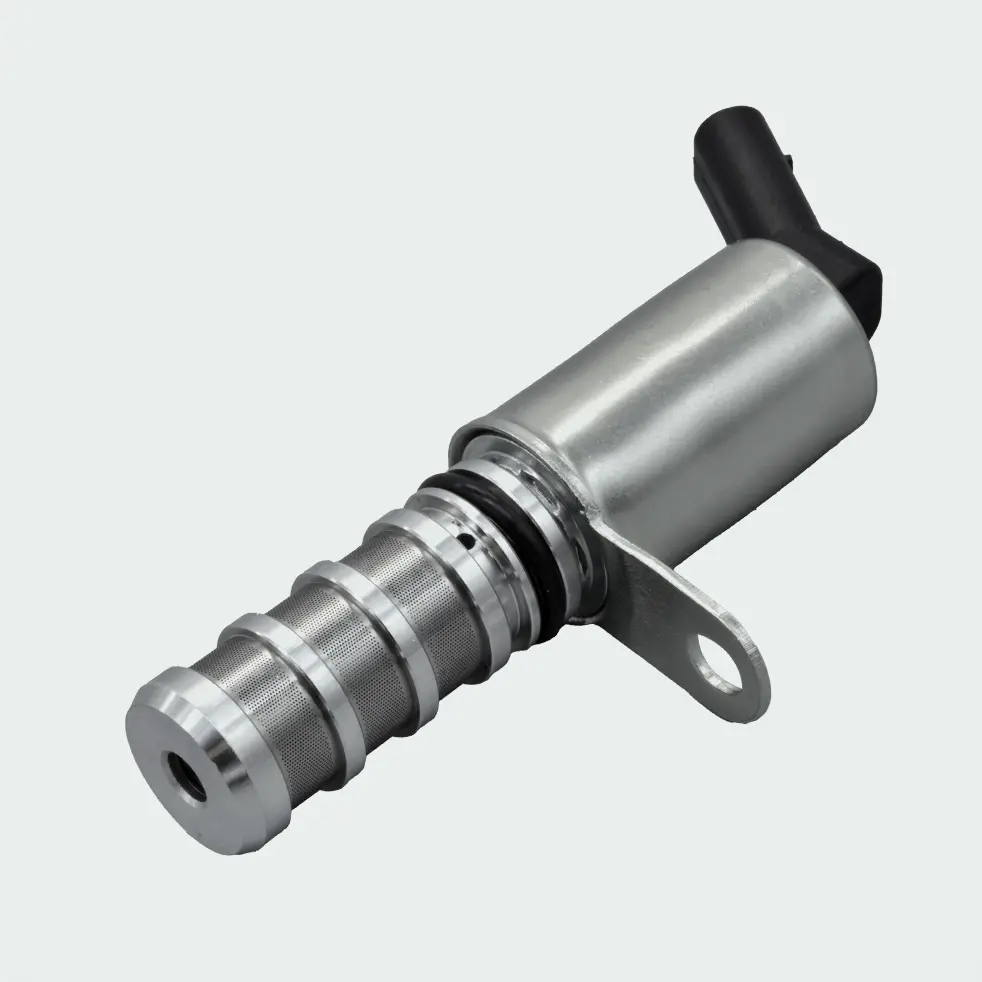
EE9060
VXPRO Camshaft Adjustment Control Valve
EE9060
12 35 132, 12 35 132 S1, 12636524, 12636524 S1, 12671373, 12671373 S1
Opel Adam, Astra, Corsa, KARL, Mokka X
Vauxhall Adam, Astra, Corsa, Insignia, Mokka X, Viva
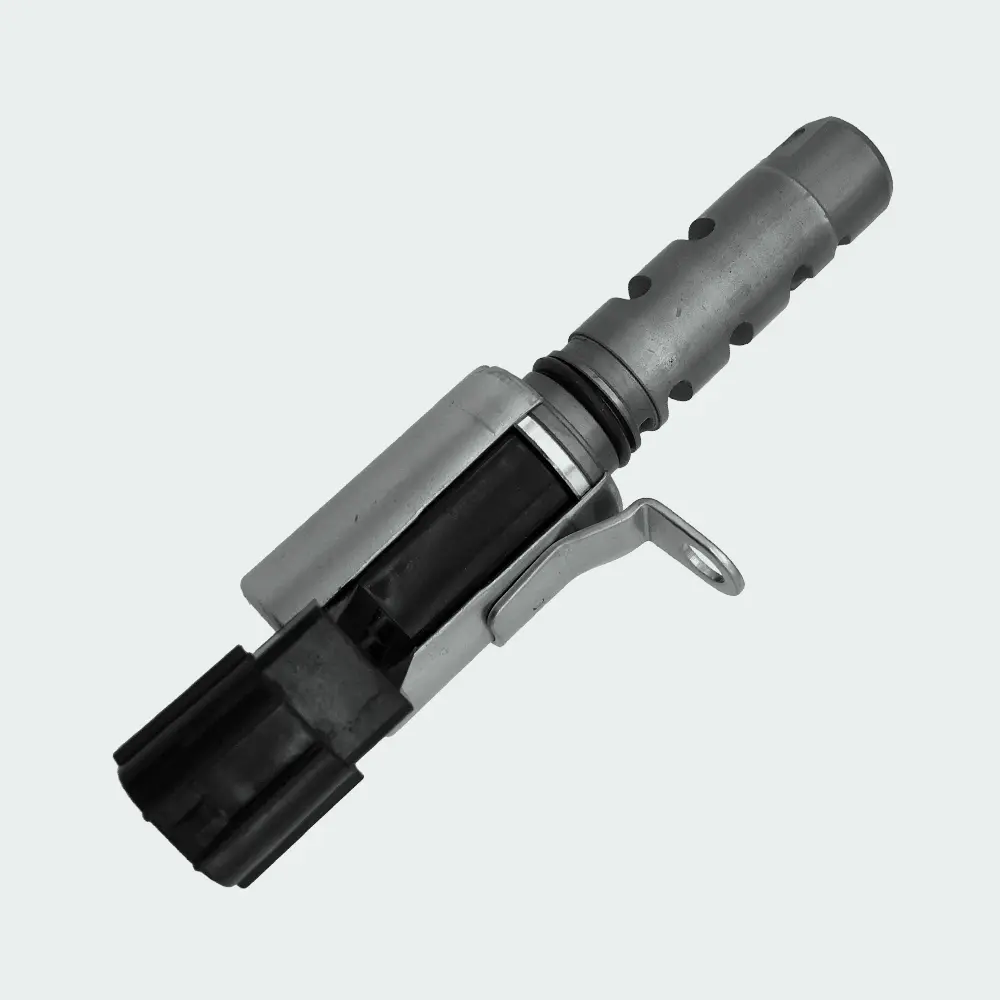
EE1043
VXPRO Camshaft Adjustment Control Valve
EE1043
1920.HZ, 1920.KR, 15330-0Q010, 15330-40020
Citroën C1
Peugeot 107
Toyota Aygo, Vitz, Yaris
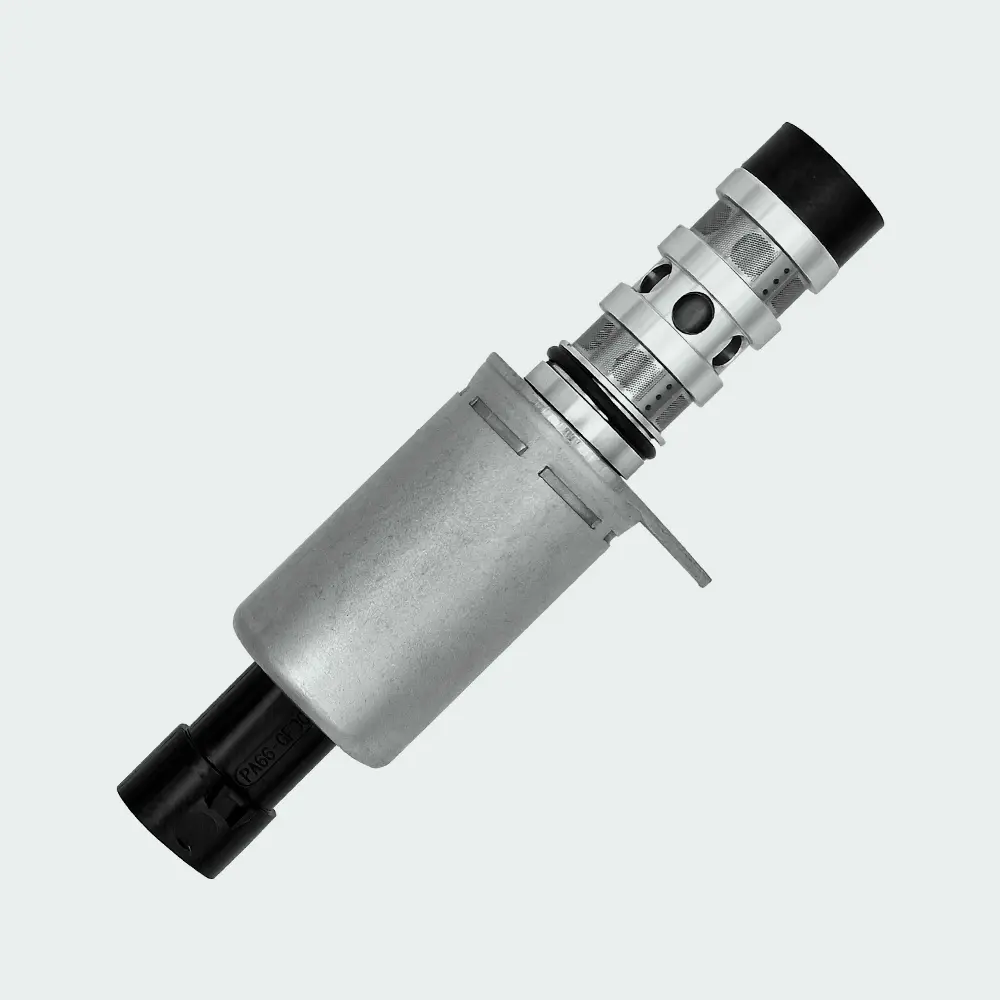
EE0803
VXPRO Camshaft Adjustment Control Valve
EE0803
12 35 299, 62 35 597, 12992408, 55567050, 71744383
Alfa Romeo 159
Chevrolet Aveo, Cruze, Orlando, Trax
Fiat Croma
Opel Astra, Insignia, Mokka, Mokka X, Signum, Vectra, Zafira, Zafira Tourer
Vauxhall Astra, Insignia, Mokka, Mokka X, Signum, Vectra, Zafira, Zafira Tourer
EE0802
VXPRO Camshaft Adjustment Control Valve
EE0802
55195809, 55209166, 55209167, 1544172, 2026021, 9S51-12K073-AA, 9S51-12K073-AB
Alfa Romeo 4C, 159, Brera, Giulietta, MiTo, Spider
Fiat 500, Doblo, Fiorino, Grande Punto, Panda, Punto, Punto Evo
Ford Ka
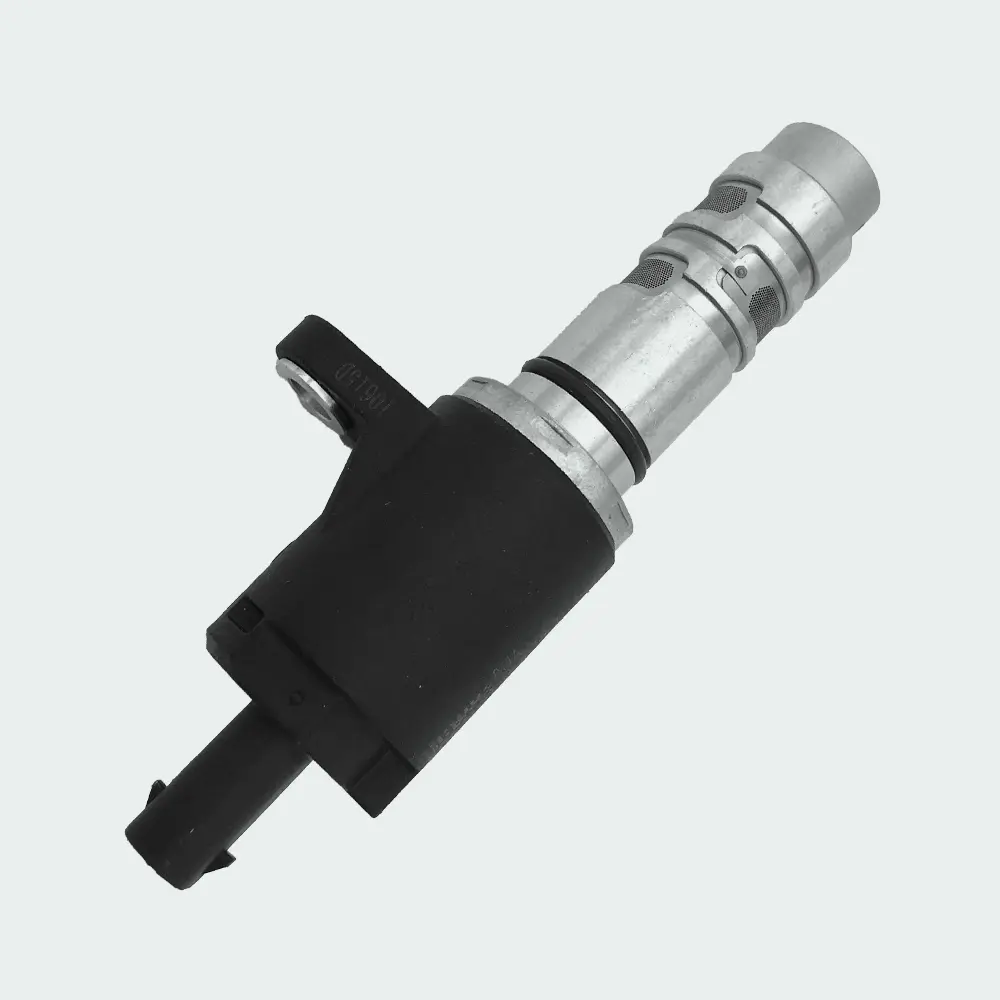
EE1045
VXPRO Camshaft Adjustment Control Valve
EE1045
04E 906 455 AC, 04E 906 455 N
Audi A3
Seat Arona, Ibiza, Leon
Skoda Fabia, Karoq, Octavia, Yeti
Volkswagen Arteon, Beetle, Golf, Polo, Touran, T-Roc
EE0827
VXPRO Camshaft Adjustment Control Valve
EE0827
06F 109 257 A, 06F 109 257 C
Audi A3, A4, A6, S3, TT
Seat Altea, Exeo, Leon
Skoda Octavia
Volkswagen Eos, Golf, Passat, Scirocco
A Camshaft Adjustment Control Valve — also commonly referred to as a Variable Valve Timing (VVT) Solenoid, Oil Control Valve (OCV) or Camshaft Timing Solenoid — controls the flow of pressurised engine oil to the camshaft adjustment mechanism.
The Engine Control Unit (ECU) operates the valve according to engine speed, load, temperature and other operating parameters. By directing oil pressure to the camshaft adjuster, the system can advance or retard camshaft timing while the engine is running.
Correct camshaft timing can help to:
Because these valves rely on both an electrical signal and a clean, correctly pressurised oil supply, faults elsewhere in the engine or lubrication system can sometimes produce symptoms similar to a defective valve.

Camshaft Adjustment Control Valves operate in a demanding environment and are directly exposed to hot engine oil throughout their working life.
Common causes of failure include:
Common symptoms can include:
As several other engine faults can produce similar symptoms, diagnostic testing should always be carried out before replacing the valve.
 For Technical Support – Start a WhatsApp Chat with our TechASSIST Experts