Expansion Tanks

Expansion tanks play a vital role in the engine cooling system, providing space for coolant to expand and contract as engine temperature changes while helping maintain the correct coolant level within the system.
Also known as coolant reservoirs or header tanks, modern expansion tanks are often an integral part of the pressurised cooling circuit. Depending on the vehicle, they may incorporate multiple hose connections, internal chambers and coolant level sensors.
Serck expansion tanks are manufactured with a strong focus on material quality, dimensional accuracy and reliable sealing performance. Designed to withstand repeated temperature changes and cooling system pressure, they provide a dependable replacement solution across a wide range of passenger car and light commercial vehicle applications.
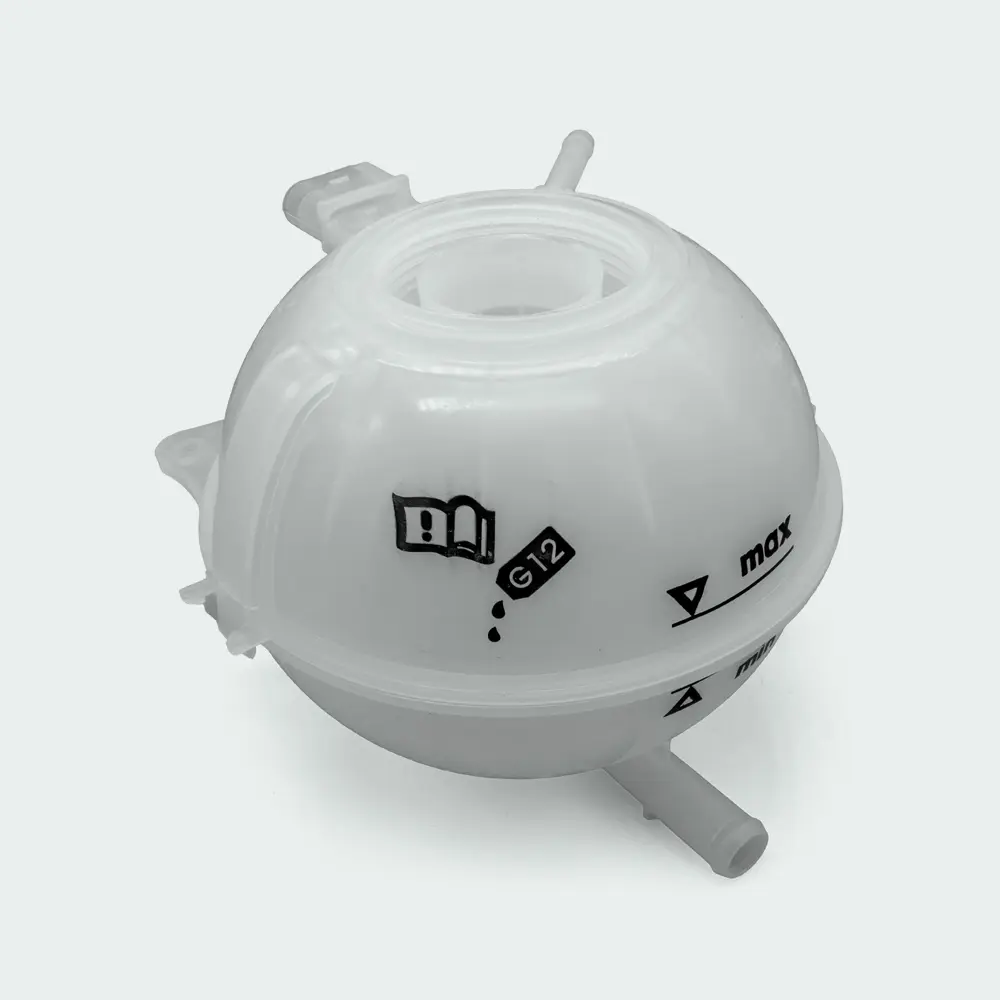
Expansion tanks are exposed to constant heat, pressure and thermal cycling. As vehicles age, plastic tanks can become brittle, connections can weaken and small cracks can develop — often making replacement necessary before a more serious coolant loss occurs.
StockASSIST helps you identify the expansion tank applications most relevant to the UK aftermarket, using vehicle parc and sales history to help you stock what sells.
Here are some of the most in-demand expansion tank applications in our UK range:

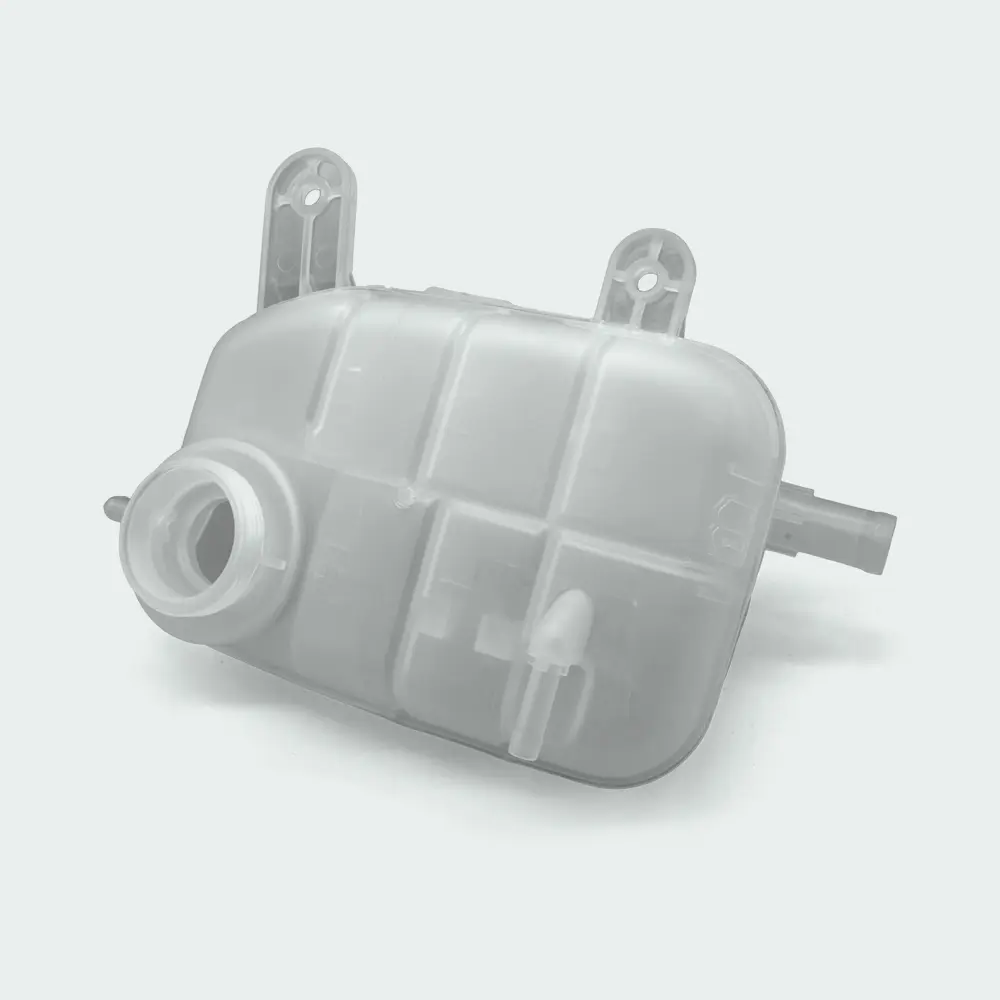
SET0260
Serck Expansion Tank
SET0260
95201979, 95380033, 102349
Opel Mokka, Mokka X
Vauxhall Mokka, Mokka X
Volkswagen Passat
Volvo S60
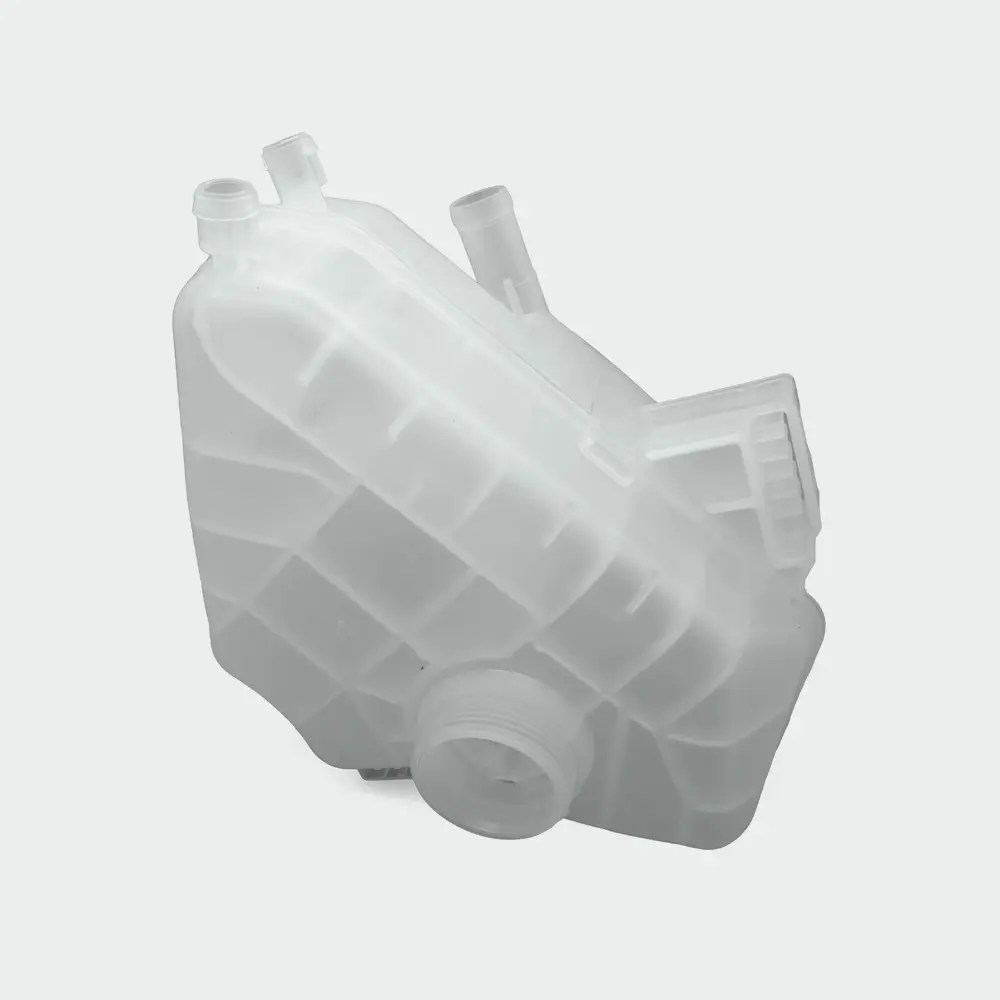
SET0233
Serck Expansion Tank
SET0233
1513111, 8V218K218AB, 8849
Ford B-MAX, EcoSport, Fiesta
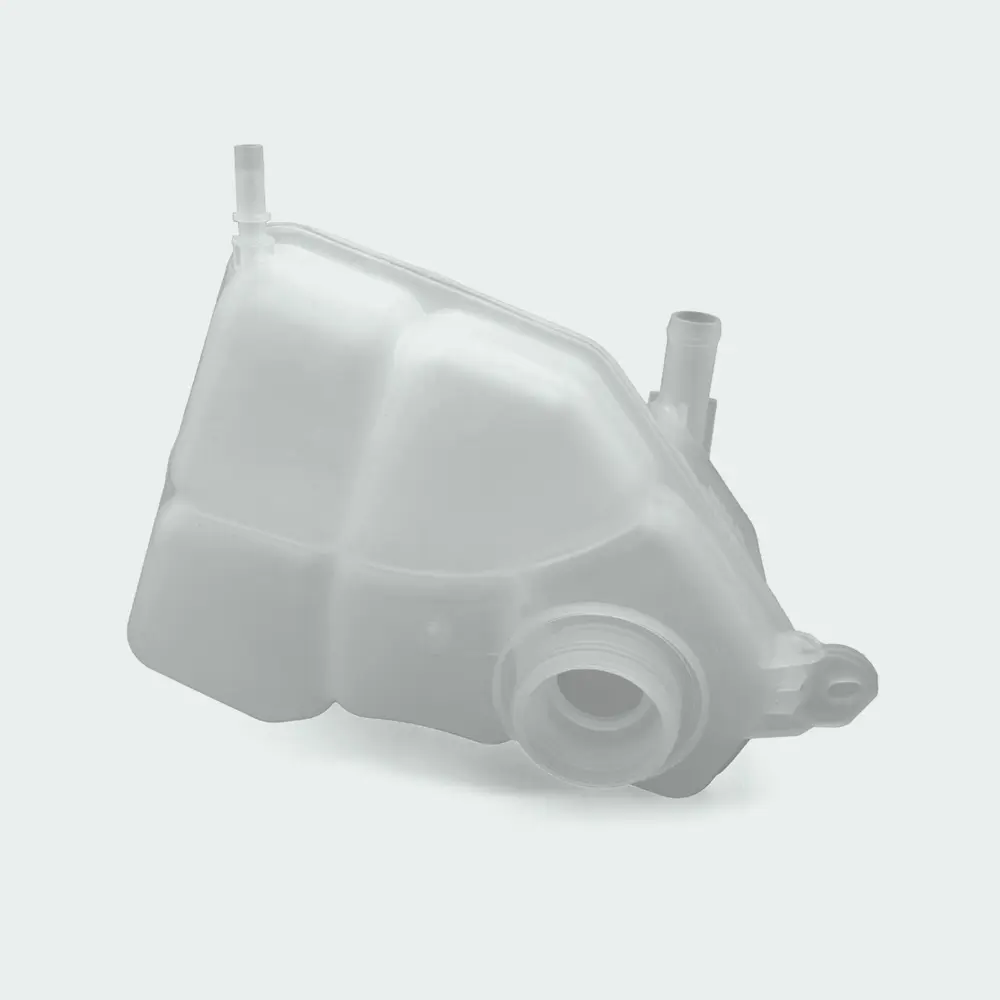
SET0007
Serck Expansion Tank
SET0007
1141512, 1142509, 1146360, 1221362, 1221363, 2S6H8K218AE, 2S6H8K218AF, 8795, 170557, 996308, 454014, 302295
Ford Fiesta, Fusion
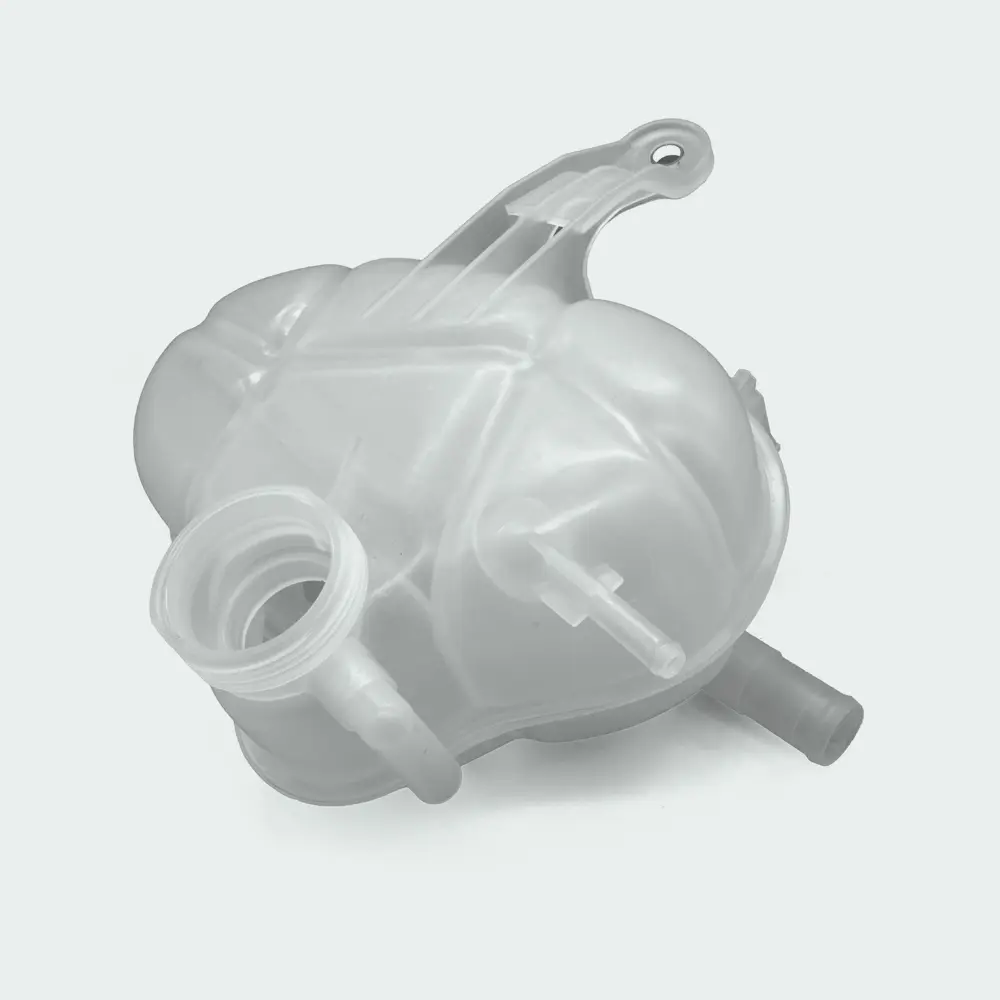
SET0235
Serck Expansion Tank
SET0235
1304009, 13312277, 1682640780, 55702164, 80582, 47905, 2140497, 2141018, 6142230015, 996376, 454219, SDA139, 208856, 487082
Opel Corsa
Vauxhall Corsa
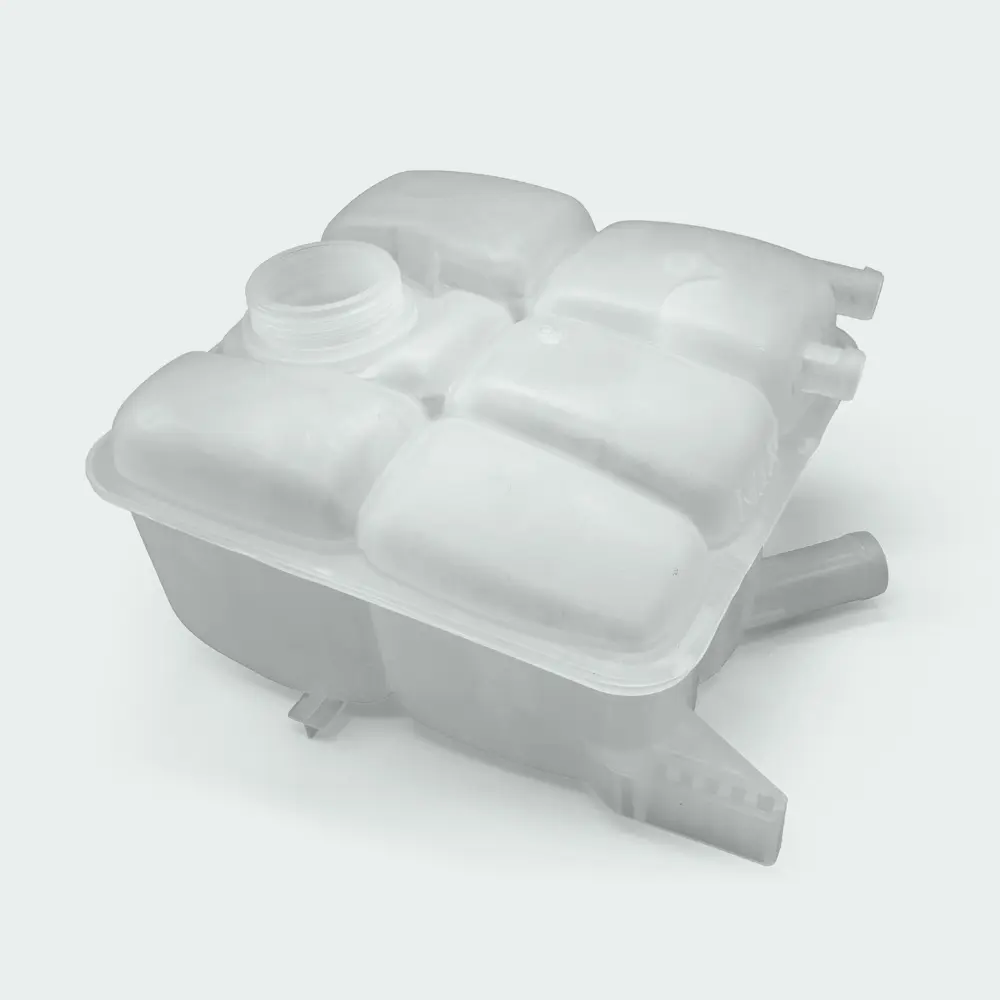
SET0238
Serck Expansion Tank
SET0238
1717053
Ford C-MAX, Focus, Kuga, Tourneo Connect
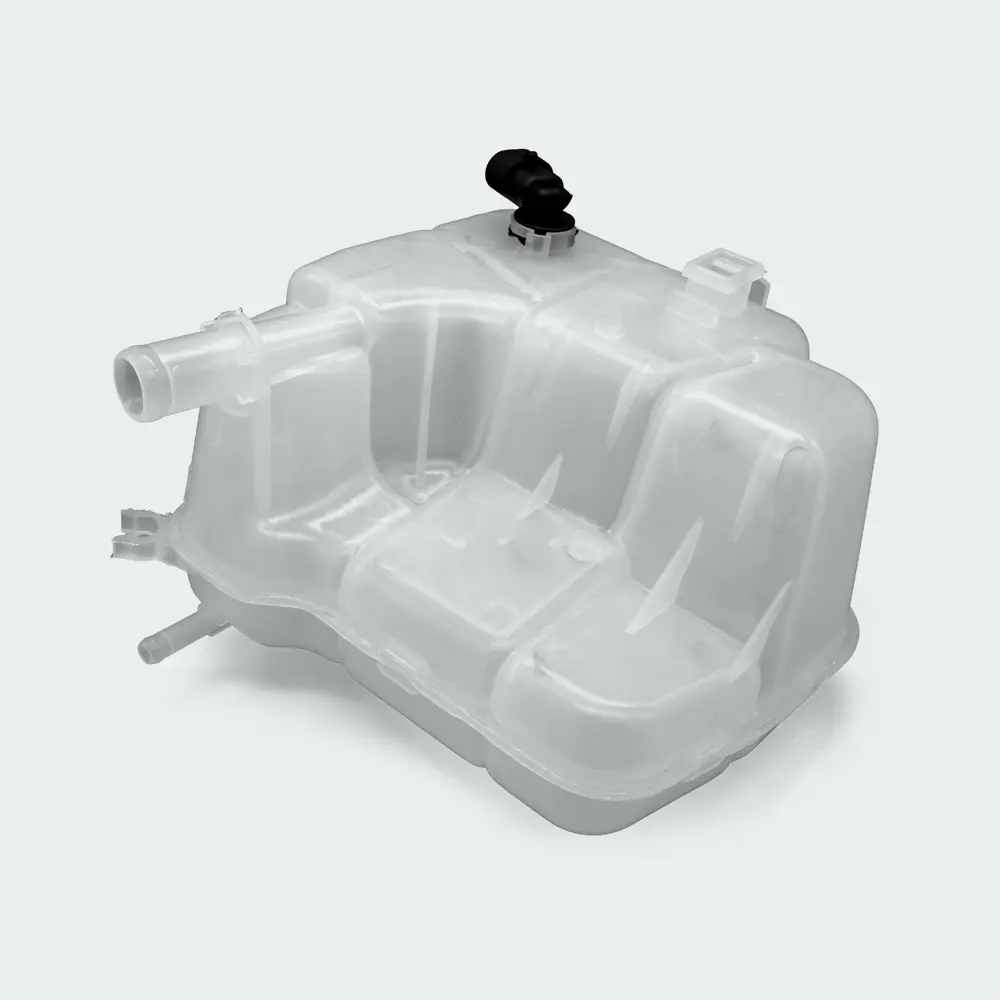
SET0209
Serck Expansion Tank with Sensor
SET0209
1304019, 13370133, 47092, 47902
Opel Astra, Cascada, GTC
Vauxhall Astra, Cascada, GTC
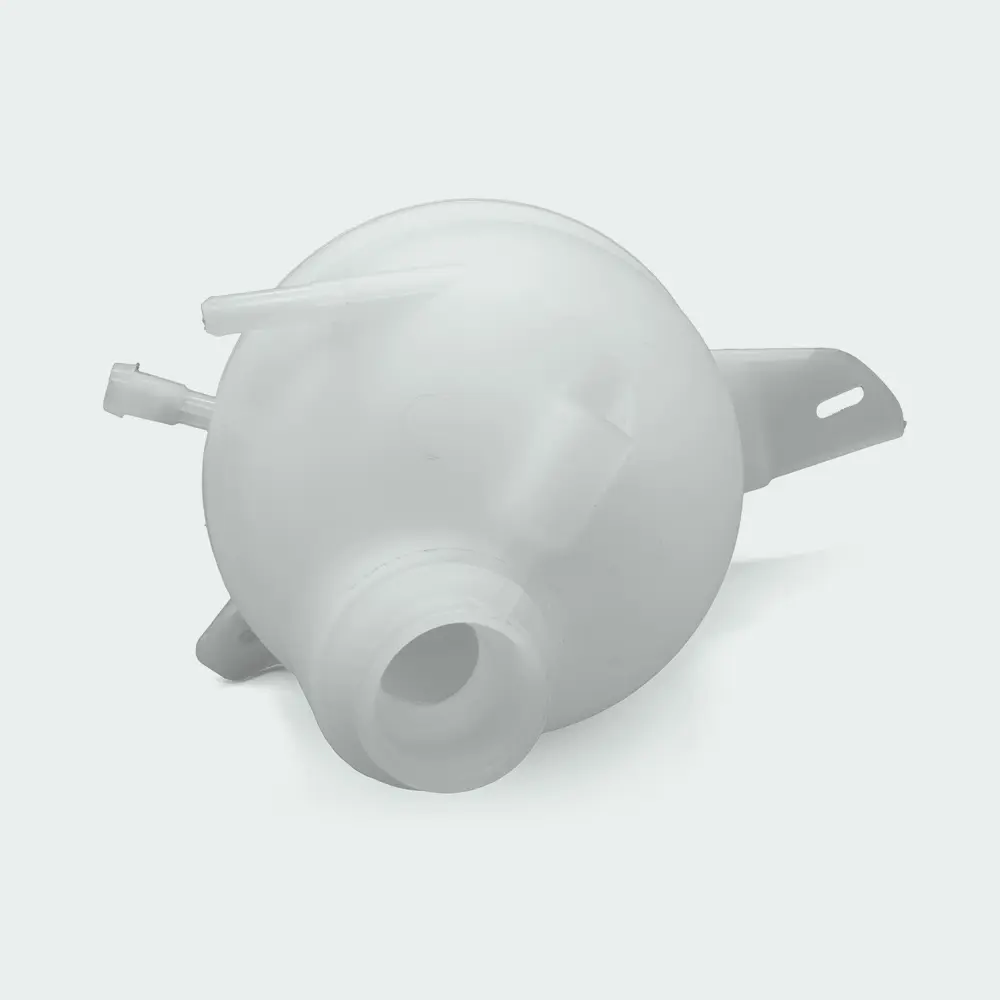
SET0286
Serck Expansion Tank
SET0286
1826442, 2036675
Ford Tourneo Custom, Transit, Transit Custom
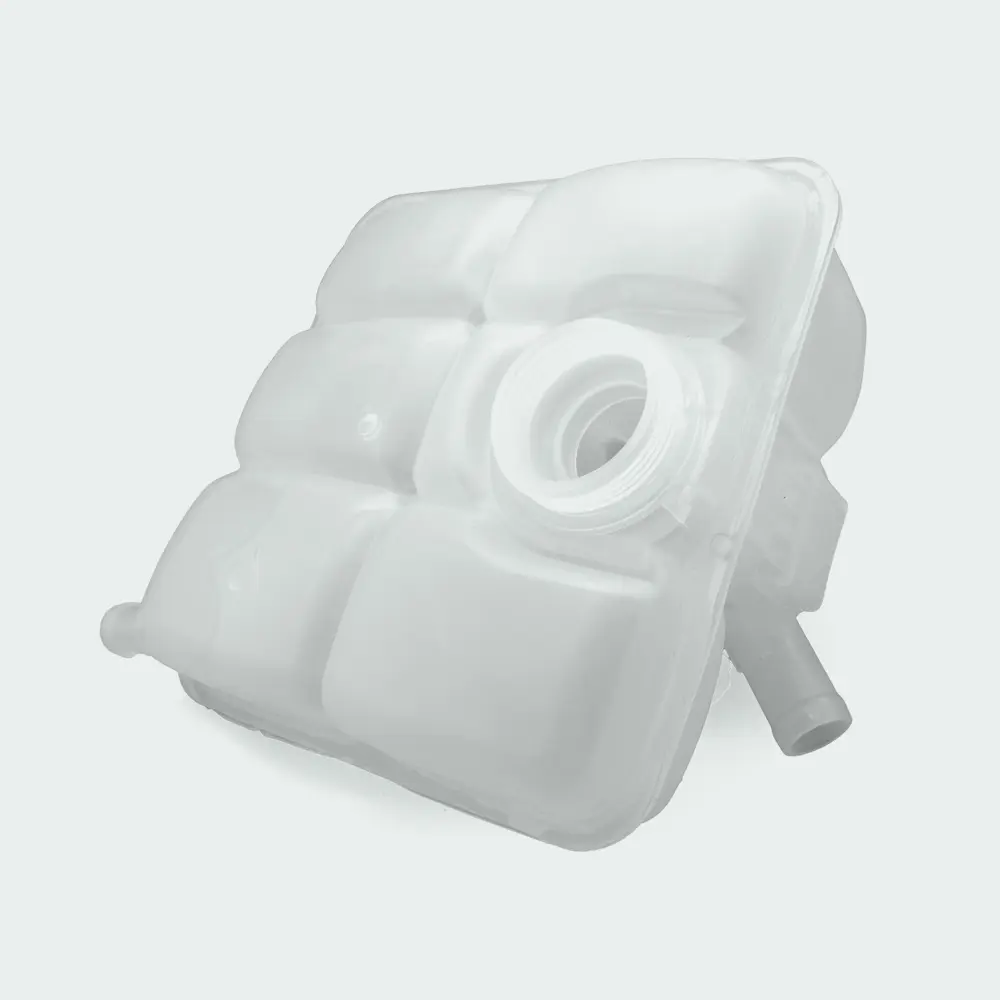
SET0218
Serck Expansion Tank
SET0218
1717754, 8V612K218DE
Ford C-MAX, Focus, Kuga, Tourneo Connect, Transit Connect
SET0087
Serck Expansion Tank
SET0087
6Q0121407, 6Q0121407A, 6Q0121407B, 44535
Audi A1
SEAT Cordoba, Ibiza, Toledo
Skoda Fabia, Rapid, Roomster
Volkswagen Fox, Polo
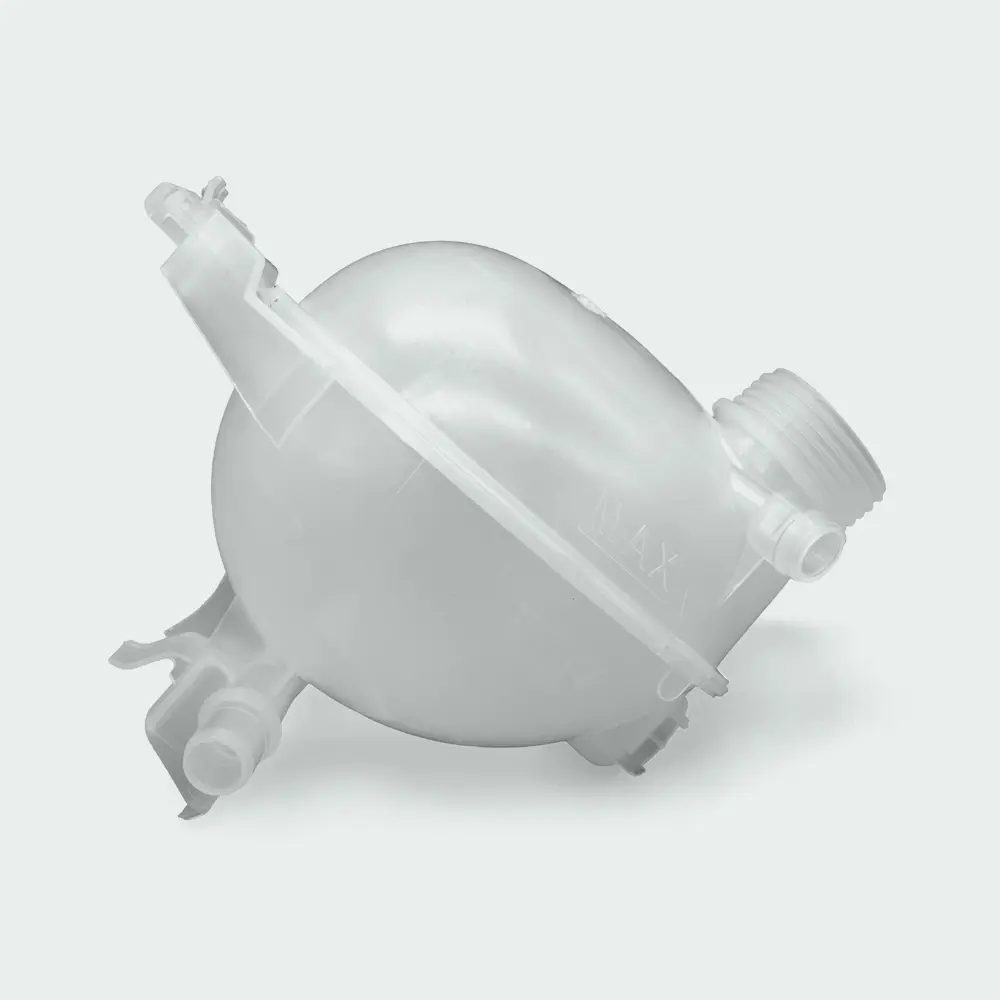
SET0023
Serck Expansion Tank
SET0023
67203, 24403PU, SV2300462, AZMT450201374, 038026003, VLR106002, 76489, 117011, 063007N, ALP006787, 117421, AS503958, 210358510, PET450, 8074, P4240141
Citroën C2, C3, C4, Dispatch, DS3, SpaceTourer
Fiat Scudo
Opel Crossland, Crossland X, Grandland, Grandland X, Vivaro
Peugeot 207, 208, 308, 1007, 2008, 3008, 5008, Expert, Traveller
Toyota Proace
Vauxhall Crossland, Crossland X, Grandland, Grandland X, Vivaro
The expansion tank is an important part of the vehicle’s cooling system. It:
A reliable expansion tank helps keep coolant contained within the system and allows the cooling circuit to operate correctly across changing engine temperatures.

Expansion tanks are continually exposed to heat, pressure and coolant and can fail over time due to:
Because small cracks can open only when the cooling system becomes hot and pressurised, an expansion tank leak may not always be obvious when the engine is cold.
Thermostats and Housings
Maintain precise engine temperature for reliable performance and protection with Serck
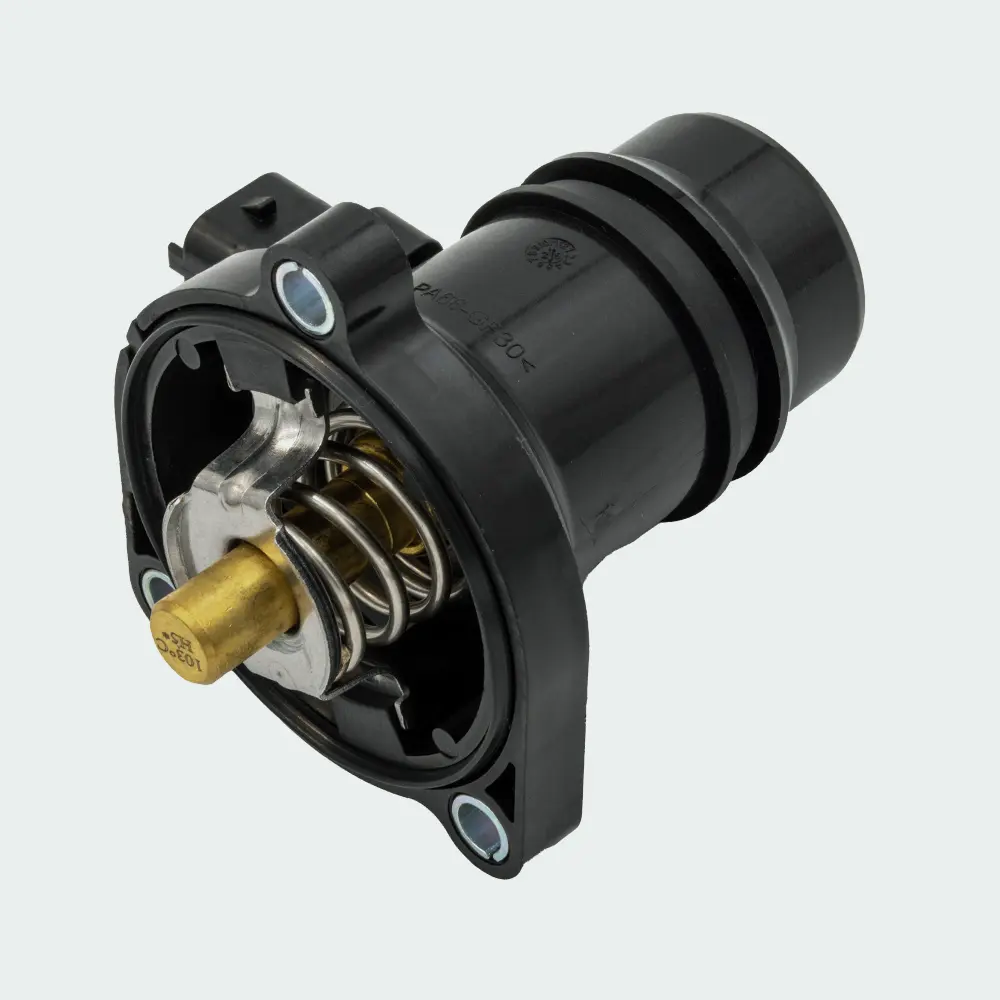
Expansion Tank Caps
Maintain precise engine temperature for reliable performance and protection with Serck

Coolant Flanges
Maintain precise engine temperature for reliable performance and protection with Serck
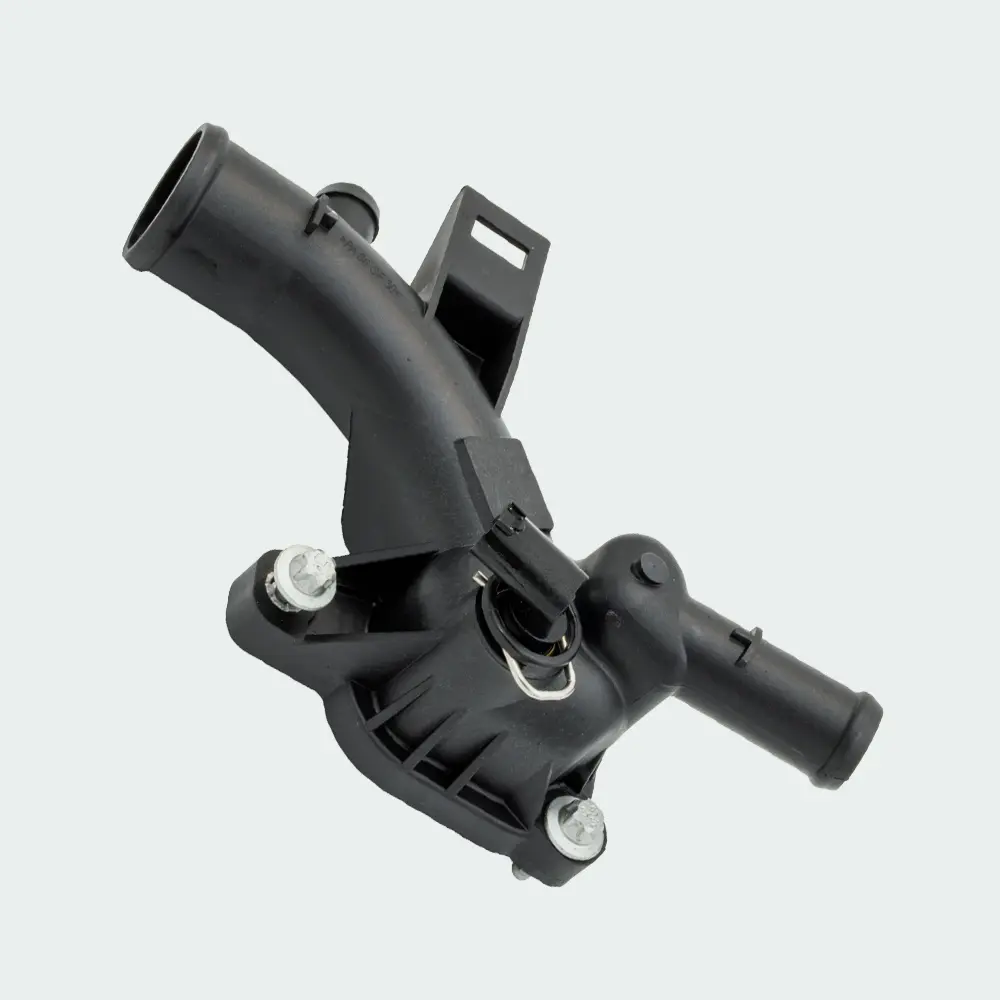
 For Technical Support – Start a WhatsApp Chat with our TechASSIST Experts