Category
ResourcesDate
November 10, 2026
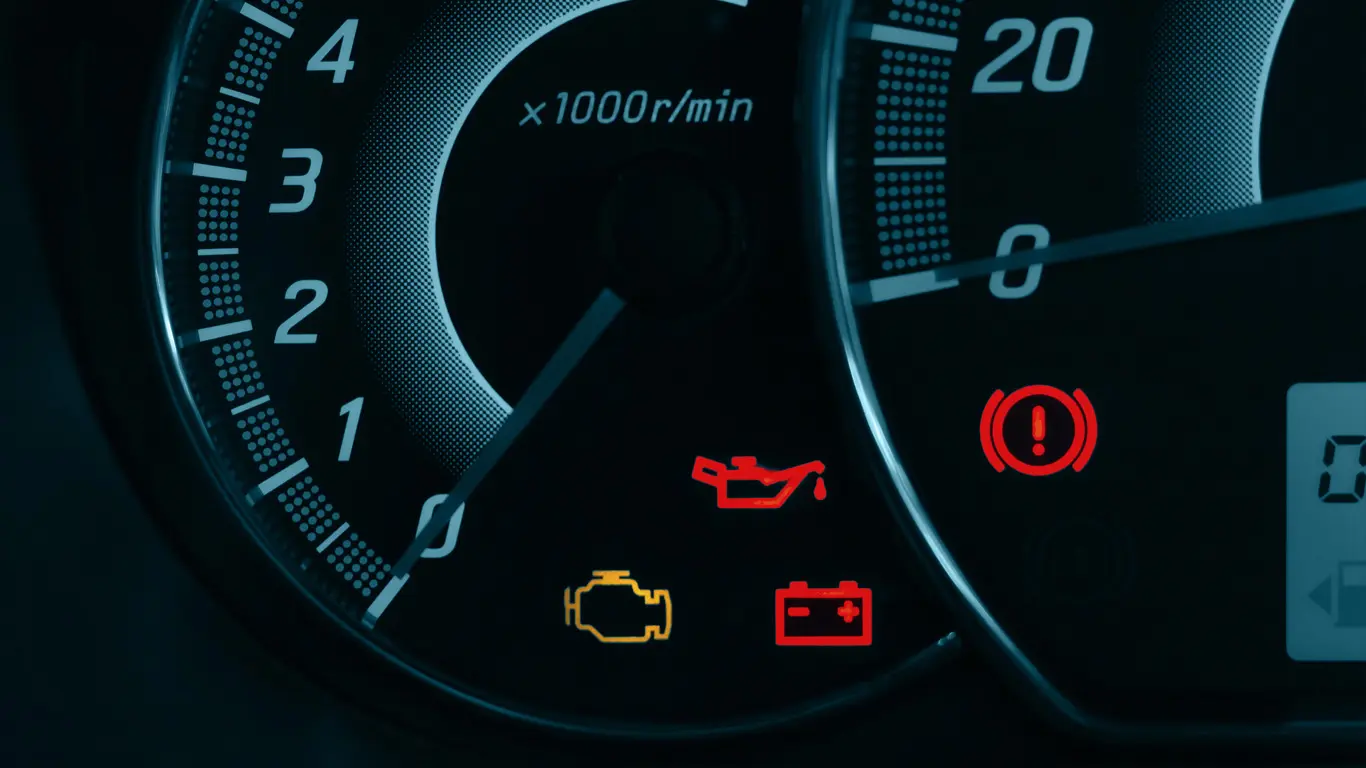
Understanding your car's dashboard warning lights, when to take action and why ignoring the signs can prove costly.
Modern vehicles are equipped with sophisticated monitoring systems designed to identify potential problems, often long before they become obvious to the driver. Yet, despite the technology available, many motorists continue to ignore the warnings their vehicles provide.
Recent research from ClickMechanic suggests that this is becoming an increasingly common problem.
In a survey of more than 200 independent repair businesses, 64% of respondents identified dashboard warning lights among the repairs motorists most commonly postpone. Perhaps more concerning, 96% reported having encountered situations where ignored warning lights had allowed relatively minor faults to develop into more serious mechanical problems.
With household budgets under pressure, it's understandable that motorists may be tempted to delay a visit to the garage, particularly when their vehicle appears to be running normally.
However, a vehicle that feels fine to drive isn't necessarily free from developing problems.
Understanding what those dashboard symbols mean, and knowing when to take action, can make a significant difference to vehicle safety, reliability and repair costs.
Understanding the Colours: What Is Your Car Telling You?
Although warning symbols differ between manufacturers, most vehicles use a familiar colour system to communicate the urgency of an issue.
Red: Stop and Investigate
Red warnings typically indicate a potentially serious problem requiring immediate attention.
These can relate to essential systems such as engine lubrication, cooling or braking. Continuing to drive could cause significant mechanical damage or compromise safety.
What to do: Find somewhere safe to stop as soon as possible. Follow the manufacturer's instructions and avoid continuing your journey until the issue has been assessed. Some faults require the engine to be switched off immediately.
Amber or Yellow: Attention Required
Amber warnings generally indicate that a system has detected an abnormal condition or malfunction.
The vehicle may continue to operate normally, but its performance, efficiency, emissions or safety systems could be affected.
What to do: Check the vehicle handbook and arrange appropriate inspection or diagnosis promptly. If the warning is flashing or accompanied by unusual symptoms, more urgent action may be necessary.
Green, Blue or White: Information and Status
Not every dashboard light indicates a problem.
Many simply confirm that a feature is operating, such as headlights, cruise control or driver assistance systems.
What to do: Familiarise yourself with the symbols specific to your vehicle. Some indicate that a system is active, while others provide useful information about its operating condition.
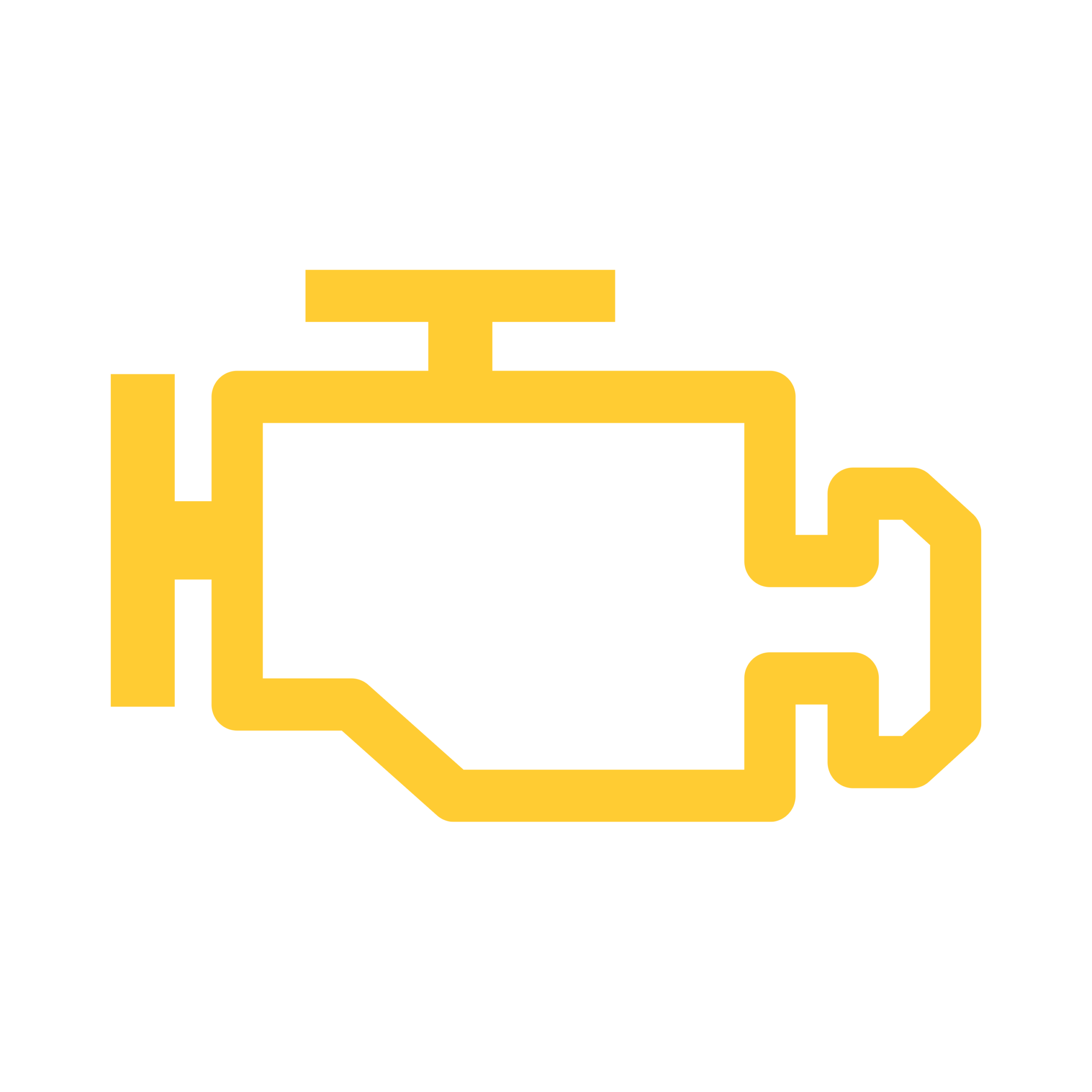
1. Engine Management Warning Light
1. Engine Management Warning Light
Often displayed as an outline of an engine, this is one of the most recognisable dashboard warnings.
The engine management system monitors numerous aspects of engine operation, including fuel delivery, ignition, airflow and exhaust emissions.
A warning can be triggered by several different faults, potentially involving:
- Oxygen (lambda) sensors
- Mass airflow (MAF) or manifold pressure (MAP) sensors
- Ignition coils and spark plugs
- Fuel injection components
- Emissions control systems
- Associated wiring and electrical connections
Why it matters: A problem affecting fuel delivery, ignition or combustion efficiency can increase emissions, reduce fuel economy and potentially cause damage to other components.
What to do: A steady amber light, without other symptoms, generally calls for a prompt diagnostic assessment. A flashing light, particularly when accompanied by misfiring, loss of power or unusual engine behaviour, requires the driver to stop safely, switch off the engine and seek assistance.
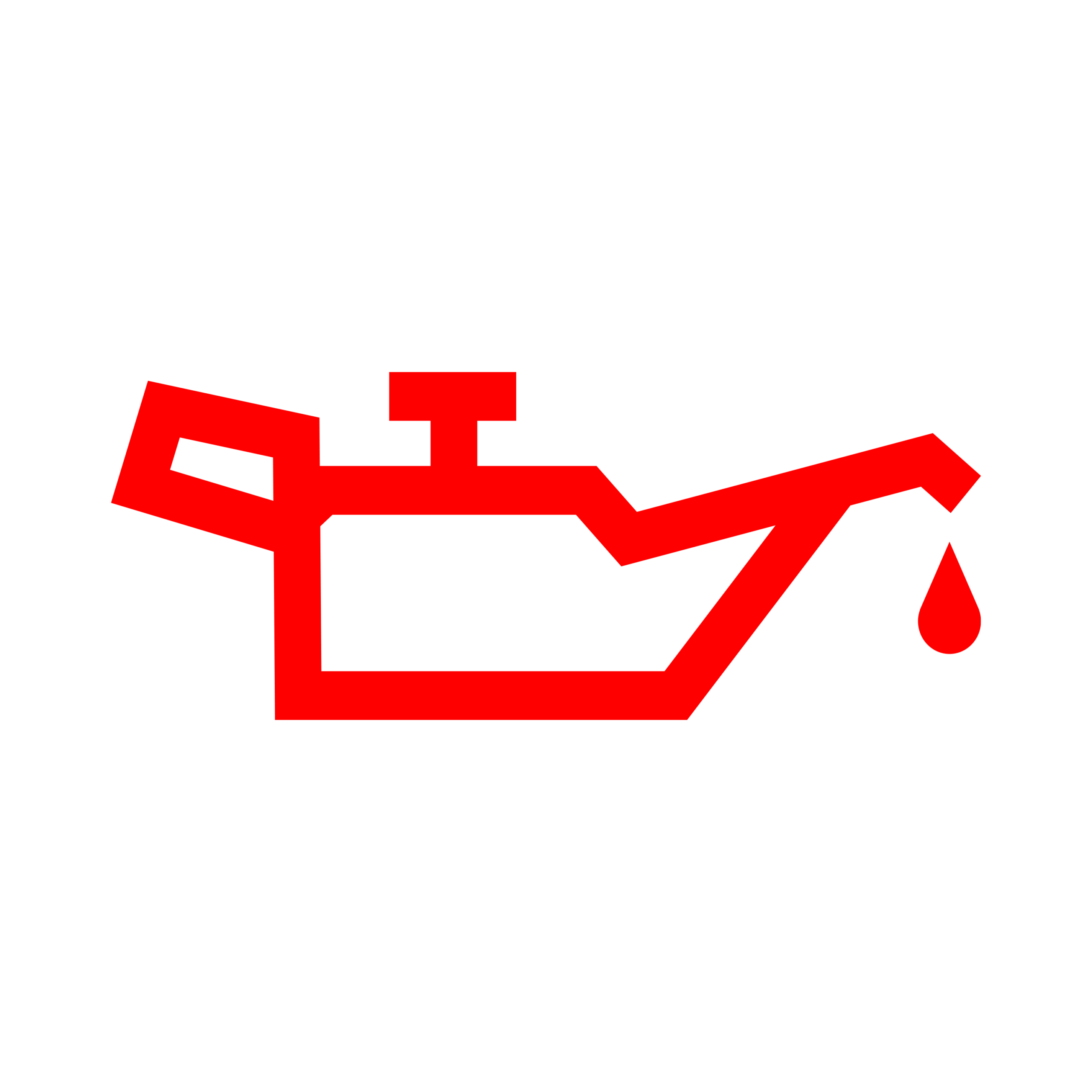
2. Engine Oil Pressure Warning
2. Engine Oil Pressure Warning
Usually represented by an oil can, this warning should never be ignored.
Oil is essential for lubricating moving engine components. Insufficient oil pressure can quickly result in excessive friction, overheating and serious internal damage.
Importantly, low oil pressure and low oil level are not necessarily the same problem. Even an engine containing the correct quantity of oil can experience lubrication problems.
What to do: Stop as soon as it is safe and switch off the engine. Check the oil level in accordance with the vehicle handbook, but do not assume topping up will resolve the problem. If the warning persists, the vehicle should not be driven and professional assistance is required.
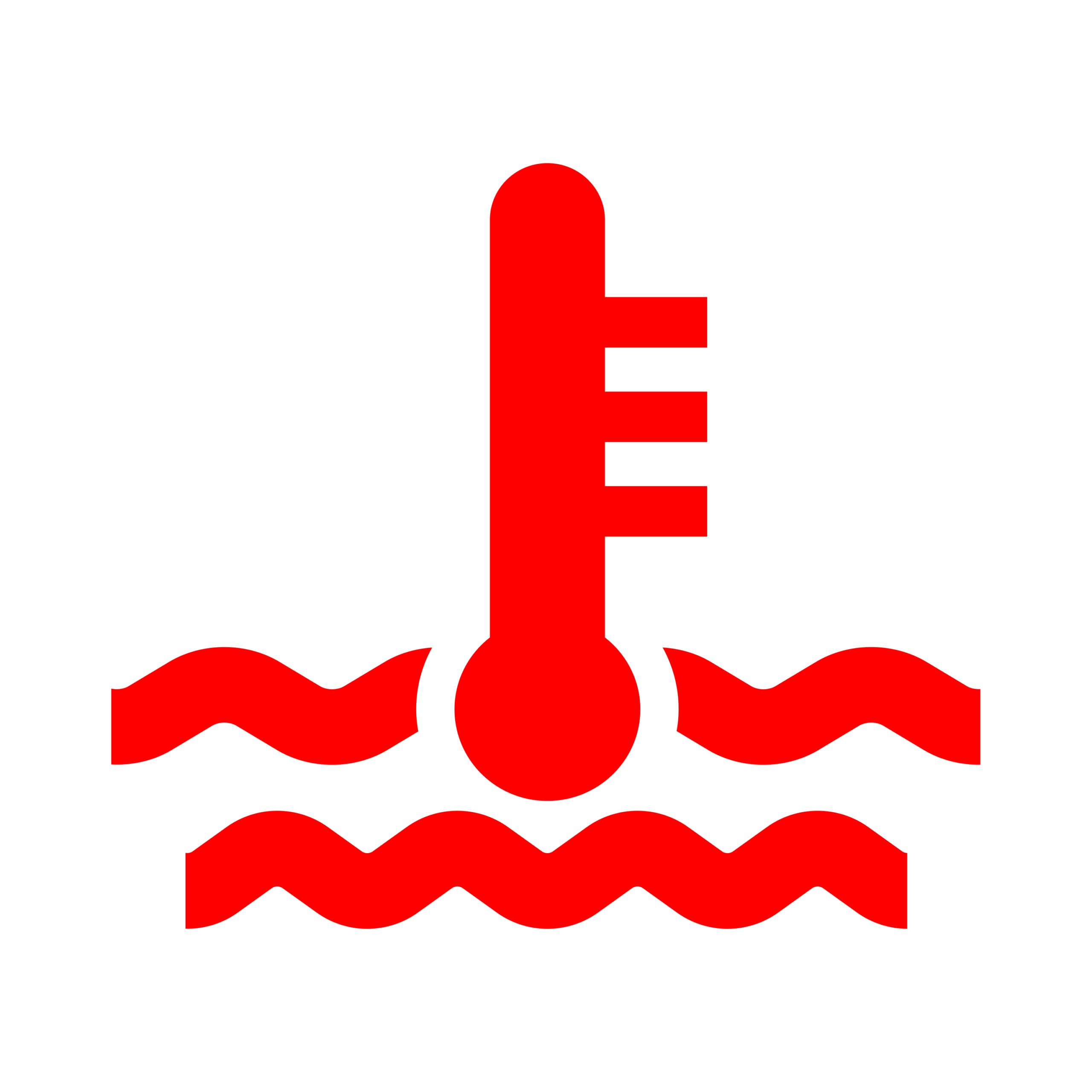
3. Engine Temperature and Cooling System Warning
3. Engine Temperature and Cooling System Warning
Often illustrated by a thermometer above waves, this symbol indicates an engine temperature or cooling system concern.
The cooling system maintains the engine within its intended operating temperature range. Problems involving coolant loss, circulation or temperature regulation can lead to overheating.
Potential causes include:
- Low coolant levels or leaks
- Faulty thermostats
- Water pump problems
- Cooling fan malfunctions
- Temperature sensor faults
- Blocked or restricted cooling components
Why it matters: Prolonged overheating can cause expensive damage, including cylinder head distortion and head gasket failure.
What to do: If a red overheating warning appears, stop safely and switch off the engine. Allow the engine to cool completely before any inspection. Never remove a pressurised coolant cap while the system is hot. Arrange assistance rather than continuing to drive an overheating vehicle.

4. Brake System Warning
4. Brake System Warning
Brake warnings can take several forms, commonly including an exclamation mark inside a circle.
In some vehicles, the symbol simply indicates that the parking brake is applied. However, if it remains illuminated after the parking brake has been released, it could indicate a more serious concern.
Possible causes include low brake fluid, hydraulic system faults or other braking system problems.
What to do: Stop safely and investigate in accordance with the vehicle handbook. If the warning persists, particularly alongside abnormal pedal feel or reduced braking performance, do not continue driving. Seek professional assistance.
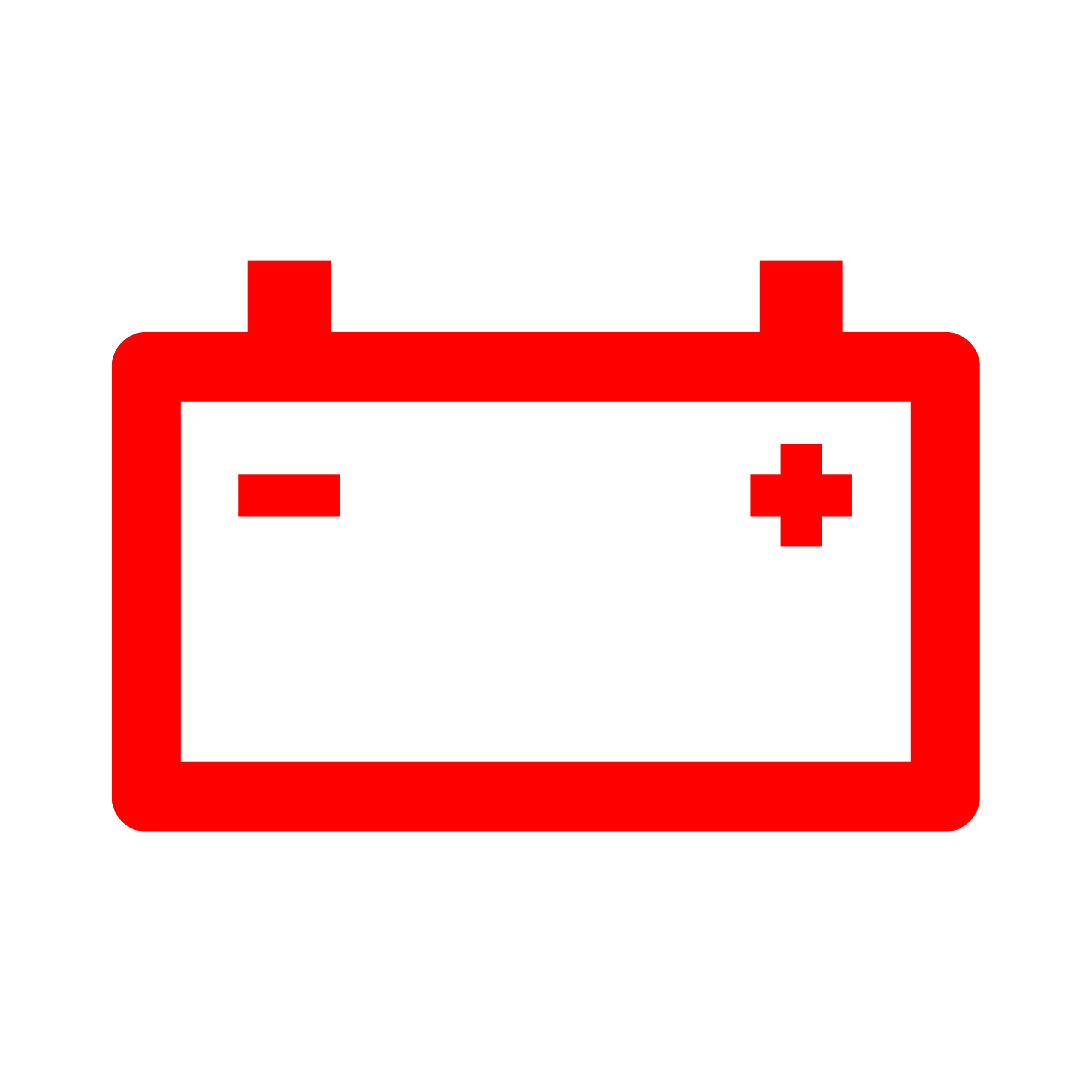
5. Battery and Charging System Warning
5. Battery and Charging System Warning
Usually shown as a battery symbol, this warning can be misleading.
Although it displays a battery, the problem isn't necessarily with the battery itself.
The warning may indicate that the charging system is no longer supplying sufficient electrical power, potentially because of an alternator, drive belt, wiring or connection problem.
Why it matters: A vehicle can continue operating temporarily using stored battery energy, but electrical systems may eventually lose power and the engine could stop.
What to do: Stop somewhere safe as soon as possible and seek assistance. Do not assume that replacing the battery will solve the fault.
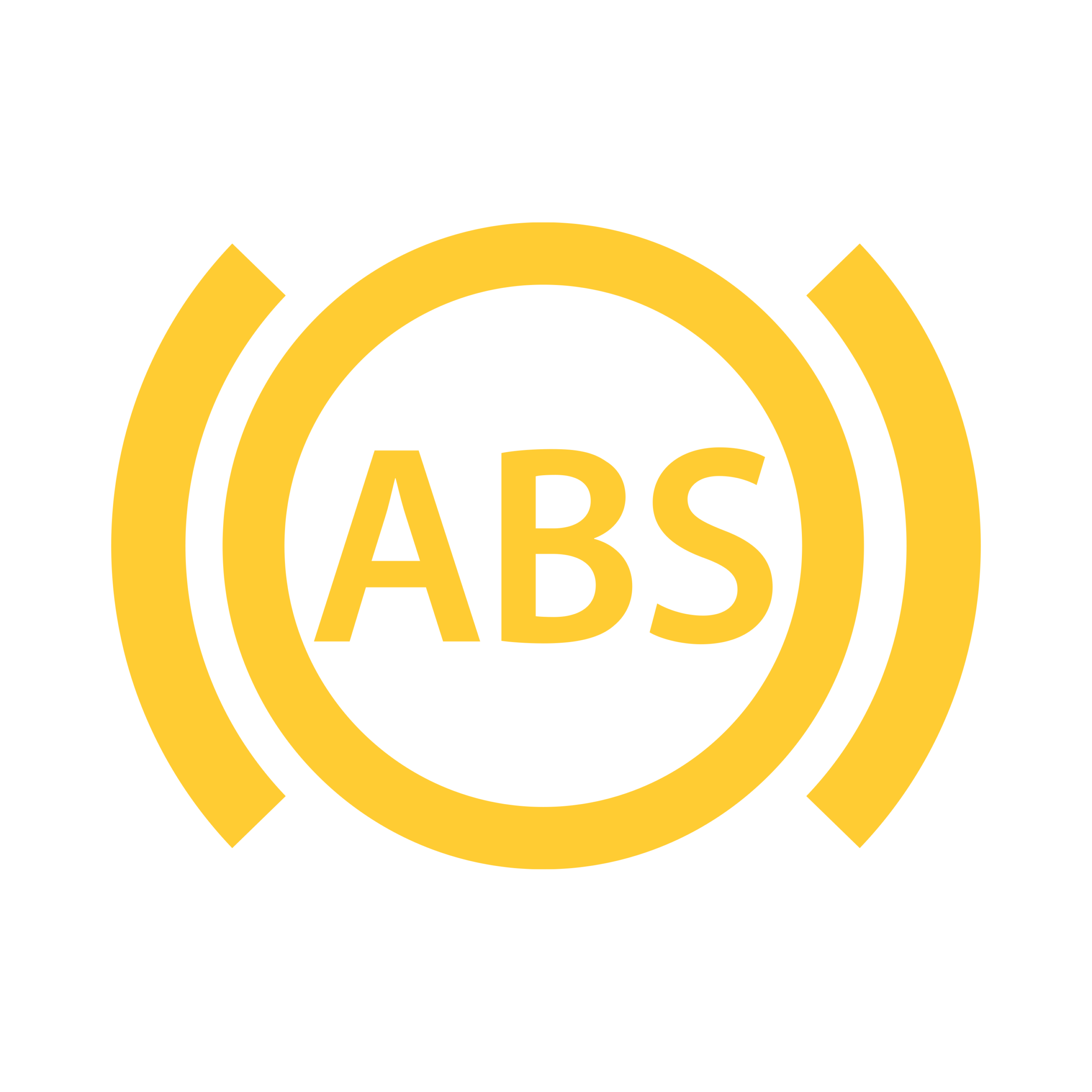
6. Anti-lock Braking System (ABS) Warning
6. Anti-lock Braking System (ABS) Warning
Usually displaying the letters ABS, this warning indicates that the anti-lock braking system has detected a malfunction.
ABS helps prevent wheel lock-up during heavy braking, particularly on slippery surfaces. Many modern vehicles also share wheel speed sensor information with traction control and electronic stability systems.
A fault may involve a wheel speed sensor, wiring, magnetic encoder or another component within the braking control system.
What to do: If the ABS warning appears alone and braking feels normal, conventional braking may still be available, but the anti-lock function might not operate. Drive cautiously only if permitted by the vehicle handbook and arrange a prompt inspection. If the ABS warning appears alongside a red brake warning, stop safely and seek assistance.
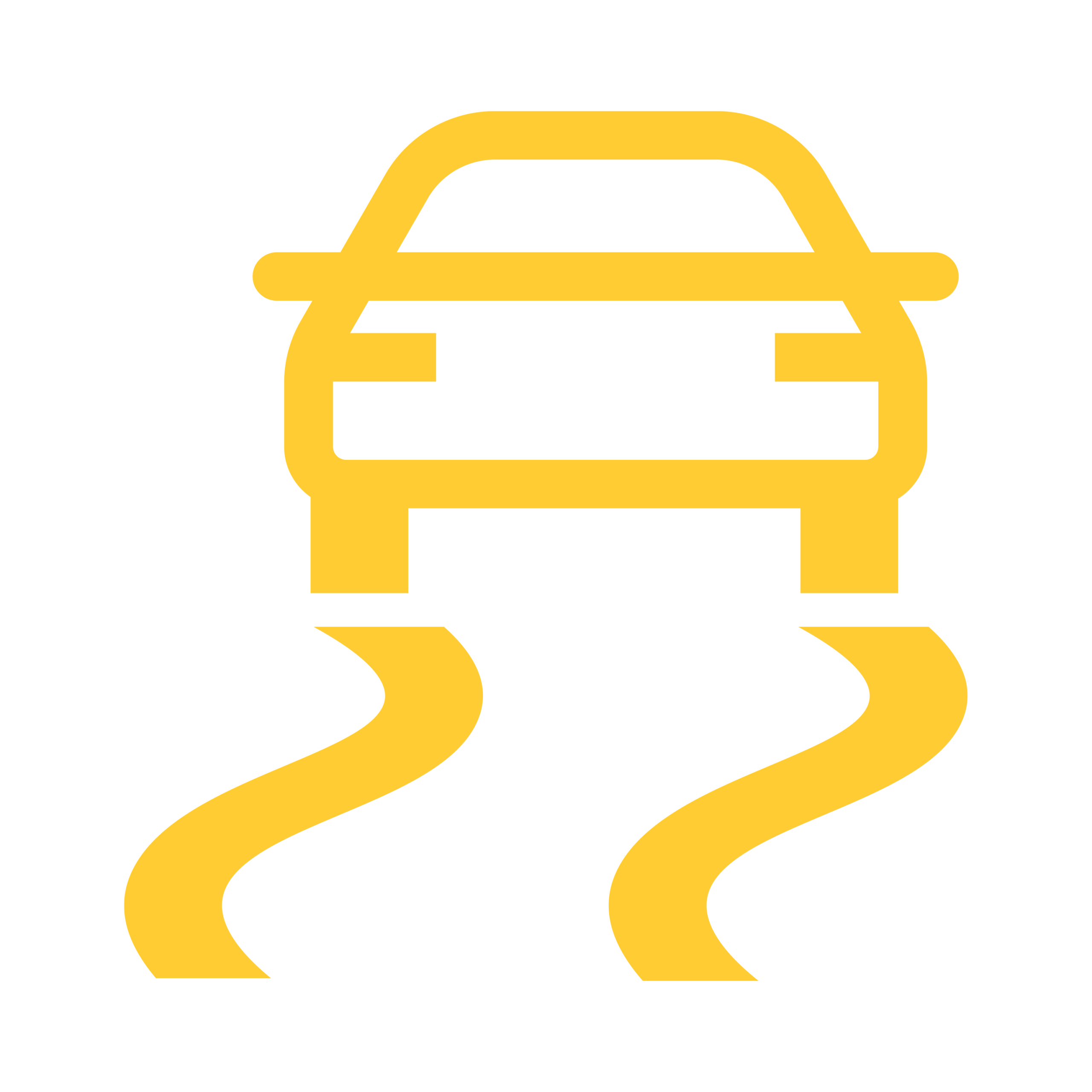
7. Electronic Stability Control and Traction Control Warning
7. Electronic Stability Control and Traction Control Warning
Commonly shown as a vehicle with wavy lines beneath its wheels, this symbol relates to systems designed to help maintain stability and traction.
A flashing light can be perfectly normal, indicating that the system is actively intervening on a slippery surface.
However, a continuously illuminated warning may suggest a malfunction or that the system has been switched off.
What to do: Consult the vehicle handbook. If the warning indicates a fault, arrange professional diagnosis and exercise particular caution in poor road conditions.
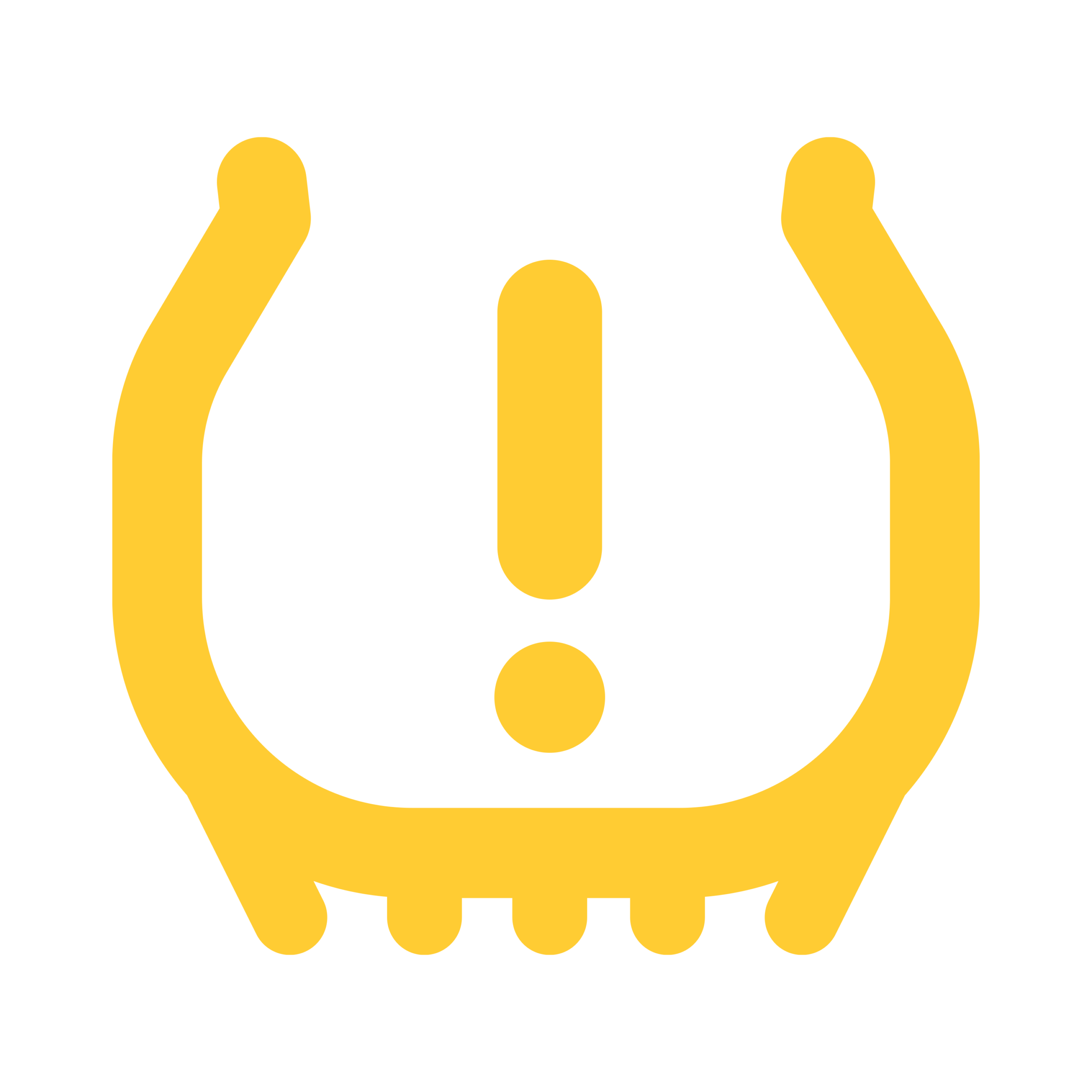
8. Tyre Pressure Monitoring Warning
8. Tyre Pressure Monitoring Warning
Usually represented by an exclamation mark inside a tyre-shaped symbol, this warning indicates a possible tyre pressure problem or monitoring system fault.
Incorrect tyre pressure can affect braking, handling, fuel consumption and tyre wear.
What to do: Stop somewhere safe and inspect the tyres. Check pressures against the manufacturer's recommendations using a suitable gauge. Do not continue driving on a visibly flat or seriously underinflated tyre. If pressures are correct but the warning remains, the monitoring system may require further investigation.

9. Diesel Particulate Filter (DPF) Warning
9. Diesel Particulate Filter (DPF) Warning
Diesel particulate filters capture soot particles from exhaust gases, helping reduce harmful emissions.
Under suitable operating conditions, the vehicle periodically carries out a regeneration process to burn off accumulated soot.
Repeated short journeys or problems elsewhere in the engine management system can interfere with this process.
Why it matters: Ignoring a DPF warning can allow soot accumulation to increase, potentially leading to restricted performance and more complex repairs.
What to do: Follow the vehicle manufacturer's instructions. Some vehicles may recommend a specific driving procedure to assist regeneration, but this is not appropriate for every fault condition. Persistent warnings, additional engine faults or reduced performance require professional diagnosis.

10. Airbag and Supplementary Restraint System Warning
10. Airbag and Supplementary Restraint System Warning
An airbag warning normally indicates a problem with the vehicle's supplementary restraint system, which may also involve seat belt pretensioners.
Unlike some mechanical faults, an airbag system malfunction may have no noticeable effect during everyday driving.
However, it could prevent important safety equipment from operating correctly in a collision.
What to do: Arrange a professional inspection promptly. Airbag systems contain safety-critical components and should only be worked on by suitably trained personnel.
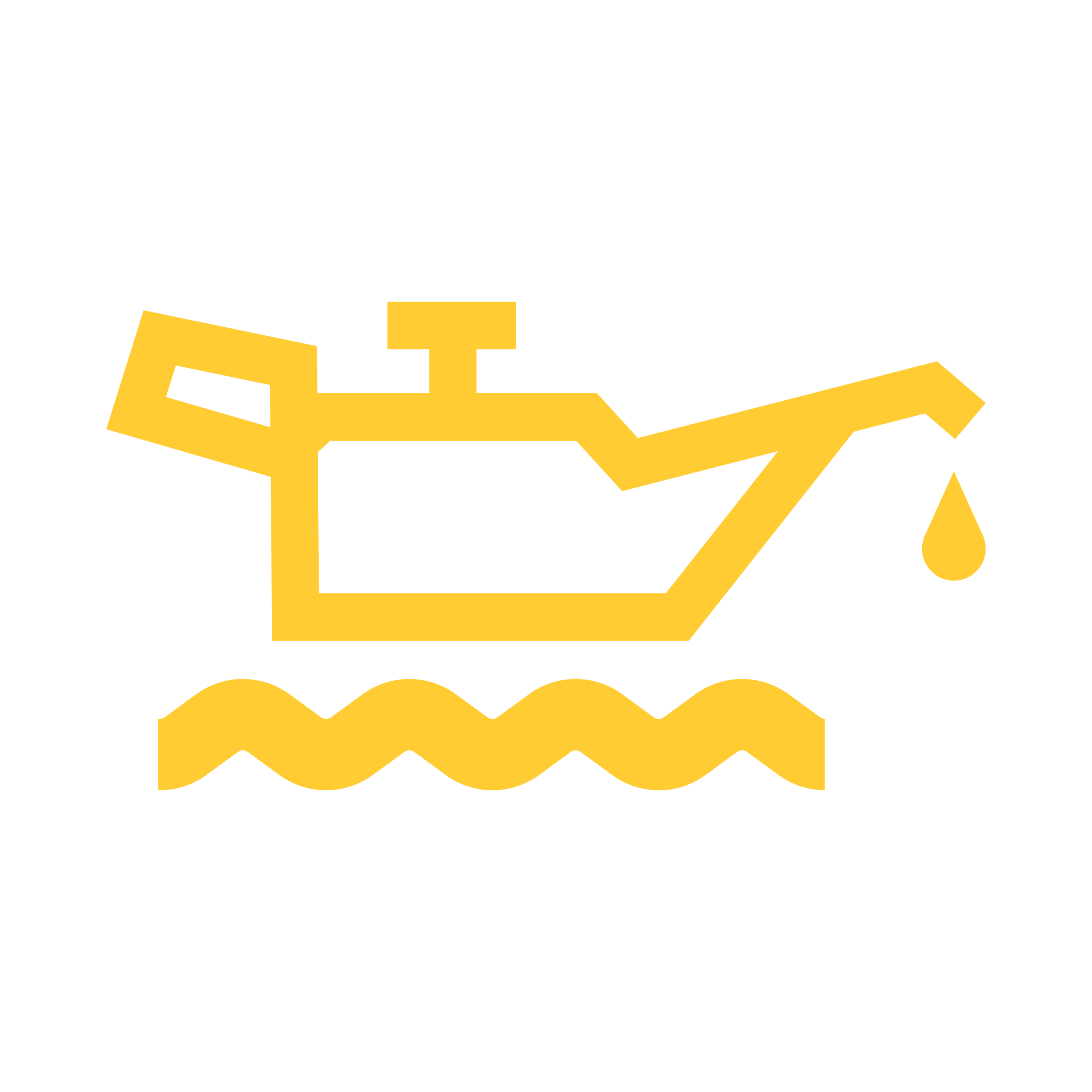
11. Engine Oil Level Warning
11. Engine Oil Level Warning
Often represented by an amber oil can symbol, the engine oil level warning indicates that the quantity of oil in the engine may be outside its recommended range.
Unlike the red oil pressure warning, which can indicate an immediate risk of engine damage, an amber oil level warning commonly provides an opportunity to investigate and correct the problem before it becomes more serious.
Low oil levels can result from oil consumption, leaks or inadequate maintenance. Some vehicles may also display a warning when the oil level is too high or when the monitoring sensor develops a fault.
Why it matters: Insufficient oil can eventually compromise engine lubrication, while excessive oil can also cause operating problems. Maintaining the correct level is essential for engine protection and longevity.
What to do: Stop somewhere safe and check the oil level following the manufacturer's instructions. If necessary, top up using the correct grade and specification of oil, taking care not to overfill. If the warning persists or the oil level repeatedly falls, arrange a professional inspection. A red oil pressure warning requires the engine to be switched off immediately.

12. Power Steering Warning
12. Power Steering Warning
Usually illustrated by a steering wheel, sometimes accompanied by an exclamation mark, this warning indicates a potential problem with the vehicle's power-assisted steering system.
Depending on the vehicle, steering assistance may be provided by an electric motor or a hydraulic system. Problems can arise from electrical faults, steering sensors, low hydraulic fluid or mechanical issues.
Why it matters: A reduction or complete loss of steering assistance can make the steering wheel considerably harder to turn, particularly at low speeds. Although the steering may remain mechanically connected, the increased effort can make controlling the vehicle more difficult.
What to do: If the steering suddenly becomes heavy or difficult to control, stop somewhere safe and seek assistance rather than continuing to drive. Even where steering assistance appears unaffected, a persistent warning should be investigated promptly. Always follow the manufacturer's guidance, particularly if a red warning is displayed.

13. AdBlue Warning Light
13. AdBlue Warning Light
Usually displayed as an AdBlue symbol, a fluid container or an accompanying dashboard message, this warning is found on diesel vehicles equipped with a Selective Catalytic Reduction (SCR) system.
AdBlue is a specially formulated fluid injected into the exhaust system to help reduce harmful nitrogen oxide (NOx) emissions. It is stored in a separate reservoir and must be replenished periodically.
A warning light commonly indicates that the AdBlue level is running low, although some vehicles also use similar warnings to identify faults within the emissions control system.
Why it matters: Unlike diesel fuel, running out of AdBlue will not normally cause the engine to stop immediately. However, many vehicles will prevent the engine from restarting once the remaining AdBlue supply has been exhausted. Faults within the SCR system can also trigger warning messages and starting restrictions.
What to do: Check the vehicle's AdBlue level and refill with the correct specification of fluid, following the manufacturer's instructions. Never add AdBlue to the diesel fuel tank. If the warning remains after refilling, or indicates an SCR system malfunction, arrange professional diagnosis. Do not ignore any displayed mileage countdown, as the vehicle may eventually refuse to restart.

14. Glow Plug Warming Light
14. Glow Plug Warming Light
Commonly represented by a yellow coil or spiral symbol, this light is found on diesel-powered vehicles.
Glow plugs help provide the heat required for reliable combustion during cold engine starts. When the ignition is switched on, the light may illuminate briefly while the glow plug system prepares the engine for starting.
Unlike many dashboard symbols, this light is not necessarily a warning of a fault. Its brief appearance during starting is a normal part of diesel engine operation.
However, if the light flashes, remains illuminated unexpectedly or appears while driving, it may indicate a problem with the glow plug system or wider diesel engine management system, depending on the vehicle.
Why it matters: Faulty glow plugs can make cold starting difficult and contribute to rough initial running. On some vehicles, the same dashboard symbol is also used to indicate other engine management faults unrelated to the glow plugs themselves.
What to do: During normal starting, wait for the preheating indicator to extinguish where instructed by the manufacturer. If the light flashes or appears unexpectedly while driving, consult the handbook and arrange prompt professional diagnosis. Do not assume that the glow plugs themselves are faulty without testing.

15. Exterior Bulb Failure Warning
15. Exterior Bulb Failure Warning
Often illustrated by a light bulb with an exclamation mark or crossed lines, this warning indicates that one or more exterior vehicle lights may not be operating correctly.
Depending on the vehicle, the monitoring system may detect problems affecting headlights, brake lights, indicators, sidelights or number plate illumination.
A bulb failure may be caused by a conventional filament bulb reaching the end of its service life, but wiring faults, poor connections and electronic lighting system issues can produce similar warnings.
Why it matters: Exterior lighting is essential for both seeing and being seen. A failed brake light or indicator can prevent other road users from recognising a driver's intentions, while defective headlights can reduce visibility in poor conditions.
What to do: Safely check the vehicle's exterior lights, ideally with assistance when inspecting brake lights. Replace failed bulbs with the correct specification recommended by the manufacturer. If the warning remains after replacement, or the vehicle uses an integrated LED lighting unit, further investigation may be required.
The Important Difference Between a Warning and a Diagnosis
One of the biggest misconceptions surrounding dashboard warning lights is that the illuminated symbol identifies the faulty component.
In reality, a warning light identifies a problem detected by the vehicle's monitoring system, not necessarily the part that has failed.
For example, an engine management warning associated with an oxygen sensor reading does not automatically mean the sensor itself needs replacing.
The underlying issue might involve an air leak, incorrect fuel delivery, an ignition problem or an electrical fault affecting the signal.
Similarly, an ABS warning may be associated with wheel speed sensor information without the sensor itself being defective.
This is why professional diagnosis matters.
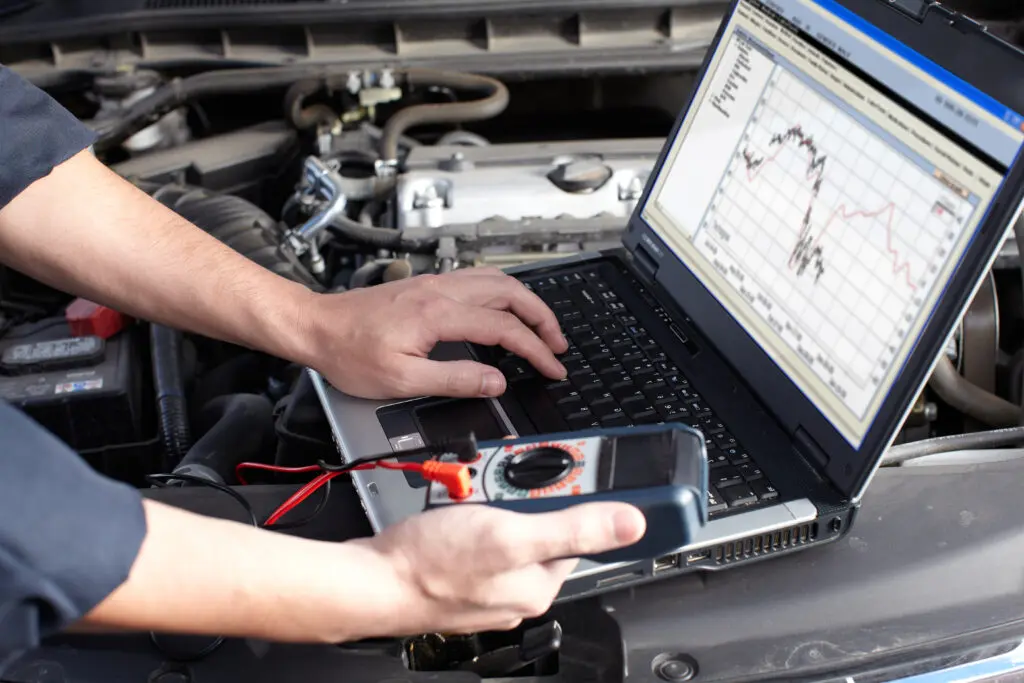
Modern garages use diagnostic equipment, live data, component testing and technical knowledge to investigate faults and establish their underlying causes.
Simply replacing the component associated with a fault code, or clearing the warning without correcting the problem, can leave the original issue unresolved.
Why Small Problems Can Become Expensive Repairs
Many vehicle systems are interconnected, meaning a relatively minor malfunction can sometimes have consequences elsewhere.
Consider three examples:
An ignition fault left unresolved
A failing ignition coil or spark plug may initially cause an occasional misfire. Continued operation under fault conditions can allow unburnt fuel into the exhaust system, potentially damaging the catalytic converter.
A thermostat that isn't operating correctly
An incorrectly functioning thermostat may prevent the engine from reaching or maintaining its intended operating temperature. Depending on how it has failed, this could contribute to poor efficiency or overheating.
A wheel speed sensor fault
A malfunctioning wheel speed sensor may affect the information available to ABS, electronic stability control and traction control systems. What appears to be a small electrical fault can therefore affect several important vehicle functions.
Not every warning indicates an expensive repair, and not every fault will deteriorate. However, investigating the cause early gives motorists the best opportunity to make an informed decision before further problems develop.
An MOT Pass Isn't a Maintenance Plan
Another important finding from the ClickMechanic survey was that 72% of responding repair businesses regularly encountered motorists who believed passing an MOT meant their vehicle required no further maintenance.
It's an understandable misconception, but the distinction is important.
An MOT assesses whether a vehicle meets specific roadworthiness and environmental standards at the time of the test. It is not a comprehensive assessment of every mechanical or electrical component, nor is it a substitute for routine servicing.
A vehicle can pass its MOT while still having developing issues that deserve attention.
Likewise, an MOT advisory is not necessarily something that can safely be forgotten until the following year.
The UK government's guidance makes clear that vehicles must remain roadworthy at all times, even when they have a current MOT certificate.
Regular servicing, sensible preventative maintenance and timely investigation of warning lights all contribute to keeping a vehicle safe and dependable between annual inspections.
Five Good Habits for a Healthier Vehicle
There are some straightforward steps every motorist can take to reduce the likelihood of avoidable problems.
- Learn your dashboard symbols. Keep the vehicle handbook accessible and understand which warnings require immediate action.
- Don't ignore changes in behaviour. Unusual noises, vibrations, smells or reduced performance can be just as important as an illuminated warning light.
- Respond to warnings promptly. A vehicle that continues to drive normally can still have a developing fault.
- Follow the manufacturer's maintenance schedule. Routine servicing helps identify wear, deterioration and developing problems before they become more serious.
- Trust proper diagnosis. A qualified technician can help distinguish between a faulty component, an electrical issue and a wider mechanical problem.
Supporting the Professionals Who Keep Britain Moving
Modern vehicles are becoming increasingly complex, with sophisticated electronic systems monitoring almost every aspect of their operation.
For independent garages, identifying the cause of a warning light requires access to quality replacement components, reliable product information and appropriate technical support.
At ELTA Automotive, we recognise the important role that motor factors and independent repairers play in helping motorists understand and maintain their vehicles.
Through our specialist automotive brands and TechASSIST technical support, we work to help aftermarket professionals identify faults, understand vehicle systems and source appropriate replacement components.
Because behind every dashboard warning is a system that needs to work correctly, and behind every effective repair is a technician who understands why.
The message is simple: Don't ignore the warning. Understand it, investigate it and take appropriate action.
Dashboard Warning Lights: FAQs
Quick answers to common questions about dashboard warnings, when to take action and what a garage can find out.
What should I do if a red warning light comes on while I’m driving?
If a red warning appears unexpectedly, pull over as soon as it is safe and check the vehicle handbook. For a red oil pressure or engine temperature warning, switch off the engine once you have stopped safely. If the handbook says to stop or you’re unsure whether the vehicle is safe to drive, seek roadside assistance before continuing.
Can I drive with an amber warning light on?
Check the symbol and any accompanying message against your vehicle handbook. If it allows you to continue, arrange an inspection promptly, even if the car feels normal. A flashing engine management light or a warning accompanied by rough running or loss of power needs urgent attention. If you’re unsure whether it’s safe to continue, pull over safely and seek advice.
Why do warning lights come on when I start the car?
Many lights illuminate briefly as part of the vehicle’s start-up checks. If a light stays on beyond the normal start-up sequence or comes back while you’re driving, check what it means in the handbook and follow the manufacturer’s guidance.
Does a fault code tell me which part to replace?
A fault code gives the technician a starting point. For example, an oxygen sensor code can be triggered by a wiring fault or an air leak as well as a faulty sensor. A technician can compare live data with the expected readings and test the relevant components before deciding what needs repairing.
What if the warning light goes out by itself?
An intermittent fault can still need attention. Note the symbol, any dashboard message and what was happening when it appeared, such as starting the car from cold or accelerating. A garage may be able to retrieve a stored code even after the light goes out.
Will clearing the fault code fix the problem?
Clearing the code may switch off the light temporarily. If the underlying fault is still present, the warning can return. Clearing codes can also erase information a technician could use to trace the cause, so leave them available for diagnosis.
Should I wait until my next MOT to get a warning light checked?
Follow the vehicle handbook and deal with the warning according to its urgency. A current MOT reflects the checks carried out on the day of the test. It’s still worth having a new warning investigated promptly, even if the vehicle passed recently.
Important: This article provides general vehicle maintenance guidance. Warning symbols, colours and recommended actions vary between manufacturers and models. Always consult the vehicle owner's handbook and seek qualified professional assistance where appropriate. Never continue driving a vehicle that may be unsafe.
Sources and further reading