Category
InsightsDate
September 30, 2026

Fuel efficiency has suddenly become an even bigger priority for UK motorists.
On 28 September 2026, the average price of diesel reached 199.18p per litre – the highest level ever recorded in the UK, surpassing the previous record of 199.09p set in June 2022. According to RAC figures, filling a typical 55-litre family car with diesel now costs almost £110.Petrol drivers are feeling the pressure too. The average price of unleaded has climbed to around 174.13p per litre, rising by more than 11p during September alone. Diesel has increased by around 15p over the same period.When every litre costs this much, keeping a vehicle operating as effiiently as possible matters.For drivers, the familiar advice still applies: maintain correct tyre pressures, avoid unnecessary weight, drive smoothly and keep on top of servicing.
But there is another side to fuel economy taking place thousands of times every minute under the bonnet.
Fuel efficiency has suddenly become an even bigger priority for UK motorists.
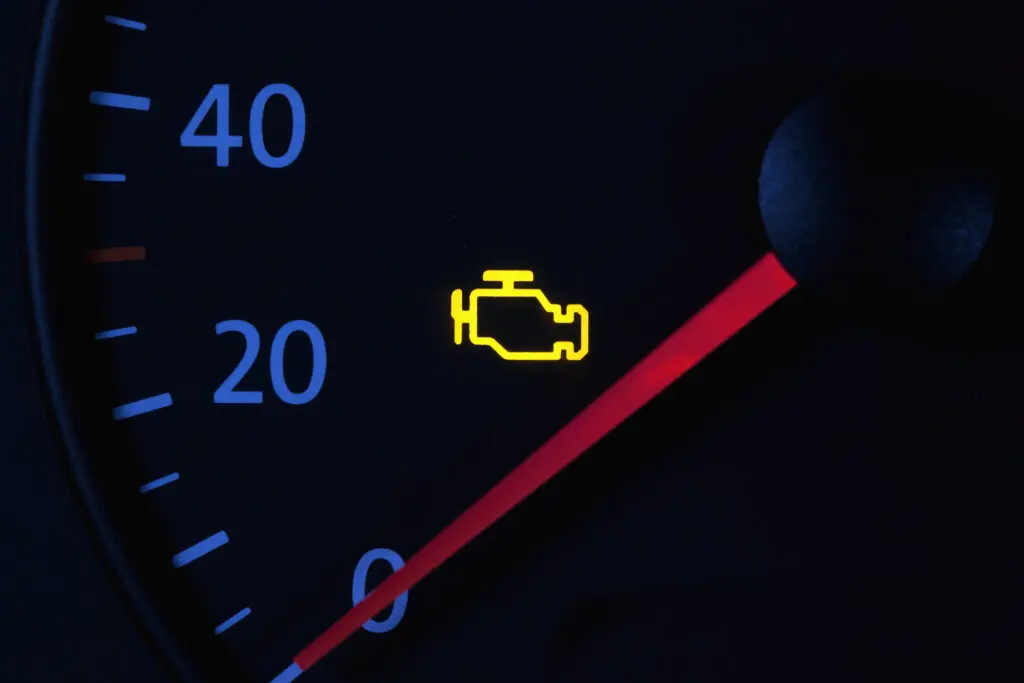
Efficient motoring starts with efficient combustion.
Modern engine management systems constantly measure, calculate and adjust operating conditions to help the engine extract the required performance from the fuel it consumes. At the same time, the engine's cooling system works to maintain the temperature range in which that process can operate effectively.
No single component achieves this alone.
It is a team effort.
Getting the mixture right
At its simplest, combustion requires air and fuel. But achieving the correct mixture under constantly changing engine conditions requires accurate information.
One of the key inputs comes from the Mass Air Flow (MAF) sensor.
Positioned on the intake side of the engine, the MAF sensor measures the mass of air entering the engine. That information is passed to the ECU, which uses it alongside data from other sensors to determine the appropriate quantity of fuel to inject.
In other words, before combustion has even taken place, the engine is already measuring what is going in.
An inaccurate MAF signal can give the ECU incorrect information about the amount of air entering the engine, potentially affecting fuelling, performance, emissions and economy.
Checking the result at the other end
If the MAF sensor helps the ECU understand what is entering the engine, the Lambda or Oxygen Sensor provides vital feedback about what has come out.
Located within the exhaust system, the lambda sensor measures residual oxygen in the exhaust gases and feeds this information back to the engine management system.
That allows the ECU to continually adjust the air-fuel mixture.
A mixture that is unnecessarily rich contains more fuel than required for the amount of air available. As well as increasing emissions, that can mean fuel is effectively being wasted.
The lambda sensor therefore forms an important closed feedback loop: the engine management system calculates the mixture, combustion takes place, the resulting exhaust gases are measured and fuelling can then be adjusted again.
Air measured on the way in. Combustion monitored on the way out.
That is modern engine management at work.
Controlling combustion temperature
There is another important participant in the process: the Exhaust Gas Recirculation (EGR) system.
EGR takes a controlled proportion of exhaust gas and reintroduces it into the intake charge. On systems equipped with an EGR cooler, the recirculated gas can also be cooled before returning to the engine.
Its primary purpose is emissions control.
By reducing the oxygen concentration within the intake charge and lowering peak combustion temperatures, EGR helps reduce the formation of nitrogen oxides – or NOx.
Again, precision matters. The ECU needs the EGR system to respond correctly to the operating conditions of the engine.
Modern combustion therefore isn't simply about adding fuel, adding air and creating a spark.
It is a carefully managed process involving a network of sensors, actuators and control systems.
And then there is temperature
Engine management is only part of the efficiency story.
Combustion generates enormous amounts of heat, and controlling that heat is fundamental to the way an engine operates.
This is where the engine cooling system becomes part of the same conversation.
It is tempting to think that the job of a cooling system is simply to make an engine as cool as possible.
It isn't.
Its job is to keep the engine within its intended operating temperature range.
An engine running excessively hot risks overheating, component damage and ultimately failure. But an engine that continually runs too cool isn't desirable either.
During warm-up, engines can use different fuelling strategies, while oil viscosity, frictional losses and clearances are all affected by temperature. Getting the engine up to its designed operating temperature – and then maintaining it there – therefore matters for performance, emissions and efficiency.
Even the engine management and cooling systems overlap.
The coolant temperature sensor tells the ECU how hot the engine is, allowing its control strategy to respond accordingly.
The thermostat: a small component with a big responsibility
Perhaps no component demonstrates the relationship between cooling and efficiency better than the thermostat.
Rather than simply allowing coolant to circulate continuously through the radiator, the thermostat helps manage coolant flow according to temperature.
When the engine is cold, restricting flow through the radiator helps the engine reach operating temperature. As temperature rises, the thermostat opens to allow greater circulation through the cooling system.
Working alongside the water pump, radiator, coolant outlets, expansion tank, hoses, caps, sensors and associated cooling components, it helps maintain the carefully controlled thermal environment in which the engine was designed to operate.
This means cooling components should not only be thought about when a vehicle is overheating.
They form part of the wider system responsible for keeping the engine operating as its manufacturer intended.
More than one sensor. More than one system.
It is easy to look at individual replacement parts in isolation.
- A MAF sensor measures air.
- A lambda sensor monitors oxygen in the exhaust.
- An EGR valve regulates exhaust gas recirculation.
- A thermostat manages coolant flow.
- A coolant temperature sensor monitors engine temperature.
- A water pump circulates coolant.
But the vehicle doesn't see them as isolated components.
They are all contributing information or control to one interconnected process.
And there are many more examples.
MAP and boost pressure sensors help the ECU understand intake conditions. Camshaft and crankshaft sensors provide the precise positional information required for injection and ignition timing. Exhaust gas temperature sensors help the vehicle manage and protect emissions systems. Throttle bodies regulate airflow according to engine demand.
Each has its own job.
Together, they help the engine remain within the operating conditions its control system expects.
When every litre matters, accurate control matters
With diesel now approaching £2 per litre on average and petrol prices climbing sharply too, there has rarely been a stronger financial incentive for motorists to keep their vehicles operating efficiently.
There is no single component that can guarantee better fuel economy, and replacing functioning parts unnecessarily is certainly not the answer.
What matters is accurate diagnosis and recognising that deteriorating sensors, incorrect temperature control or faults within the air, fuel, emissions and cooling systems can all interfere with the engine's ability to operate as designed.
For garages and technicians, that makes understanding the relationship between these systems increasingly important.
And for the aftermarket, it is a reminder of something equally significant:
Sometimes the parts that help save fuel aren't fuel-system parts at all.
From VXPRO engine management components measuring and controlling the combustion process to Serck Automotive cooling components helping maintain the engine's thermal operating environment, efficiency really is a team effort.
ELTA Automotive – Championing the Aftermarket.