Category
InsightsDate
August 27, 2026
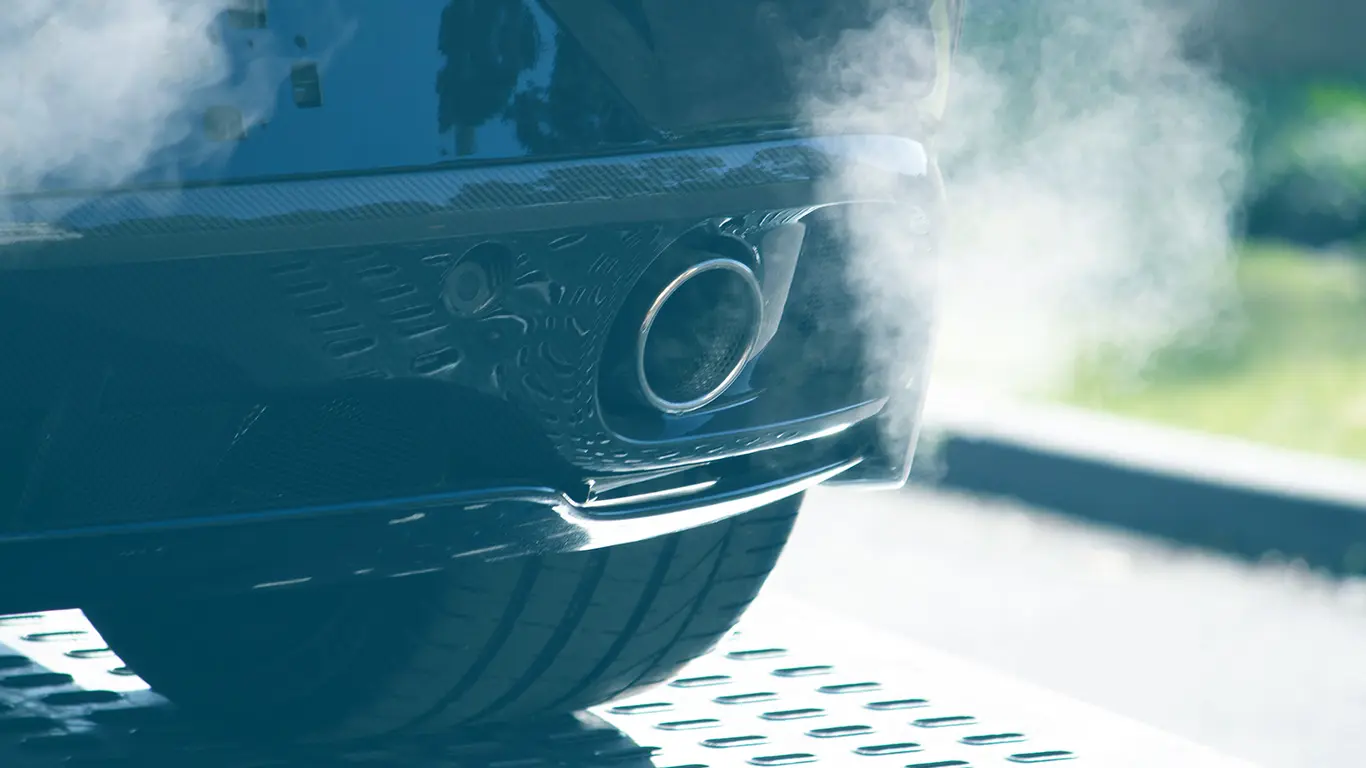
DPFs, EGR and AdBlue in the spotlight
At the heart of the consultation is a relatively straightforward principle: emissions-control systems fitted to a vehicle should continue to work as intended throughout its life.
The Government is proposing that road vehicles in Great Britain from 1 January 2001 onwards must have their emissions-control systems maintained so that they continue to operate within the requirements that applied when the vehicle was manufactured and first registered.
That could cover both deliberate modifications and problems caused by poor maintenance.
The consultation specifically identifies a number of modifications that it considers would always result in illegal emissions levels. These include removing or deleting diesel particulate filters (DPFs) or petrol particulate filters, removing catalytic converters, manipulating SCR and AdBlue systems, and physically or electronically altering EGR systems.
Software modifications are also included. In other words, this is not simply about what is fitted underneath the vehicle. Changes to the way an emissions-control system operates could also fall within the proposed rules.
The Government is not proposing to ban vehicle modification altogether. Its consultation makes clear that modifications remain a legitimate part of the automotive sector, provided they do not take a vehicle outside the emissions requirements to which it was originally approved.
What does this mean for garages?
For garages, one of the biggest changes could simply be the increased importance of diagnosing and repairing emissions-related faults correctly. Modern diesel and petrol engines rely on a network of sensors, valves and control components to keep emissions systems operating properly. A fault with one relatively small component can have a knock-on effect across the wider system.
That is already relevant during today's MOT.
An MOT includes a check for the presence of a DPF where one was originally fitted. A vehicle fitted with a DPF from new will fail if the filter has been removed, while evidence that a DPF has been tampered with is also a major MOT fault. Visible smoke from the exhaust can result in a major fault too.
The current diesel smoke test is not considered sufficiently effective at identifying every missing or defective DPF, particularly on newer vehicles. The Government has therefore been exploring particulate number (PN) testing, which measures the number of particles coming from the tailpipe and can provide a more effective way of identifying DPFs that have been removed or are no longer working correctly.
PN testing is not currently a standard requirement across the UK MOT network, but it remains part of the Government's longer-term plans for improving emissions testing.
For garages, the direction of travel is clear: emissions systems are becoming an increasingly important part of vehicle maintenance and diagnosis.
Could there be new enforcement from 2027?
Potentially, but it is important not to get ahead of the legislation.
The Government's consultation proposes that new legislation could be passed in summer 2027, followed by a proposed six-month lead-in period. Enforcement would be carried out by the DVSA, with the Government suggesting that its focus would likely be on illegal modifications to emissions-control systems rather than relying solely on the annual MOT.
The proposals would also use existing provisions within the Road Traffic Act relating to vehicles that do not comply with construction and use requirements, vehicle alterations and unsuitable vehicle parts. Depending on the circumstances, breaches can carry fines ranging from £1,000 to an unlimited amount following successful prosecution.
Exactly how the final rules will work will depend on the Government's response to the consultation and any legislation that follows.
So, for now, garages do not need to change their processes because of a new 2027 law. But there is a good reason to keep an eye on developments.
Keeping the emissions system working
For a modern diesel vehicle, a DPF does not work in isolation.
Exhaust Gas Pressure Sensors help the ECU understand the pressure across the DPF and determine when regeneration is required. Exhaust Gas Temperature Sensors monitor temperatures around the emissions system, while EGR Valves control the recirculation of exhaust gases. Lambda Sensors, Fuel Vapourisers and Urea Dosing Modules also play important roles in modern emissions-control systems.
When one of these components fails, the result can be anything from a warning light or failed regeneration to reduced performance, limp-home mode or further damage to the emissions system.
That makes accurate diagnosis and having the right replacement part available increasingly important.
Champion the Aftermarket with VXPRO
This is exactly where the independent aftermarket needs the right support.
VXPRO covers a wide range of emissions-related and engine-management components, including EGR Valves, Exhaust Gas Temperature Sensors, Exhaust Gas Pressure Sensors, Lambda Sensors, Fuel Vapourisers, Particle Filter Regeneration Injectors and Urea Dosing Modules (AdBlue® Injectors).
The range is designed to give garages and distributors a practical alternative for modern emissions-system repairs, combining original equipment matching performance with competitive pricing. VXPRO components are also backed by ELTA's trade warranty, with TechASSIST and StockASSIST providing additional technical and stocking support.
With emissions legislation continuing to evolve, having the right parts available matters.
The rules may be changing, but the aftermarket still needs to keep vehicles moving.
That's what Champion the Aftermarket is all about: giving independent garages the products, coverage and support they need to diagnose, repair and maintain today's vehicles, whatever comes next.
For media inquiries, please contact:
Tim Brotherton
Marketing & Communications Manager at ELTA Automotive Ltd